
The Importance Of Follow-Up Care After Cancer Surgery

Follow-up care after cancer surgery is critical to ensuring that patients have the best possible outcomes. In this blog post, we will discuss why follow-up care is so important and what it entails.

  • Monitoring for Cancer Recurrence The primary reason for follow-up care after cancer surgery is to monitor the patient for cancer recurrence. Even if all visible signs of cancer have been removed during surgery, there is always a risk that cancer cells may have spread elsewhere in the body. Regular checkups, including imaging studies and blood tests, can help detect cancer recurrence early and increase the chances of successful treatment.
  • Managing Side Effects Cancer surgery can cause a variety of side effects, including pain, fatigue, and changes in bowel or bladder function. Follow-up care can help manage these side effects, improve quality of life, and prevent complications. For example, a surgeon may prescribe medication to manage pain or refer the patient to a physical therapist to help them regain strength and mobility after surgery.
  • Providing Emotional Support Cancer surgery can be an emotionally challenging experience, and follow-up care can provide much-needed emotional support to patients. This can include counseling, support groups, and resources for coping with the emotional impact of cancer. Emotional support can help patients better manage the stress and anxiety that often accompany a cancer diagnosis and improve overall well-being.
  • Adjusting Treatment Plans In some cases, follow-up care may involve adjusting the patient’s treatment plan. For example, if a patient experiences cancer recurrence, the surgeon may recommend additional surgery or radiation therapy. Alternatively, if the patient’s cancer does not recur, the surgeon may recommend less frequent follow-up appointments or discharge the patient from follow-up care altogether.
  • Promoting Healthy Habits Follow-up care can also help promote healthy habits that can reduce the risk of cancer recurrence or the development of new cancers. For example, a surgeon may recommend changes to the patient’s diet and exercise routine, or provide resources for quitting smoking or reducing alcohol consumption. Healthy habits can not only reduce the risk of cancer recurrence but also improve overall health and well-being.

In conclusion, follow-up care after cancer surgery is essential for the best possible outcomes for patients. It provides ongoing monitoring for cancer recurrence, manages side effects, provides emotional support, adjusts treatment plans as needed, and promotes healthy habits. As a cancer surgeon, it is important to emphasize the importance of follow-up care to your patients and encourage them to participate in ongoing care.

Preparing for cancer surgery: What Should I Do?

If you are scheduled for cancer surgery, it’s natural to feel anxious and uncertain about what to expect. However, there are several steps you can take to prepare yourself for the procedure and optimize your recovery. In this blog, I will provide some tips on what you can do to prepare for cancer surgery.

  • Follow your doctor’s instructions: Your cancer surgeon will provide you with detailed instructions on how to prepare for the surgery. This may include dietary restrictions, medication adjustments, and preoperative testing. Be sure to follow these instructions closely, as they are designed to help ensure a successful surgery and recovery.
  • Ask questions: Don’t be afraid to ask your doctor questions about the surgery, the anesthesia, and the recovery process. The more you understand about the procedure, the more confident and empowered you will feel.
  • Stop smoking: If you are a smoker, it’s essential to stop smoking at least two weeks before your surgery. Smoking can increase your risk of complications during and after the surgery, such as poor wound healing, infection, and blood clots.
  • Optimize your nutrition: Eating a healthy and balanced diet leading up to the surgery can help prepare your body for the stress of the procedure and improve your recovery. Be sure to eat plenty of fruits and vegetables, lean protein, and whole grains. Avoid alcohol and limit your intake of processed and high-fat foods.
  • Stay active: Regular exercise can help improve your physical strength and stamina leading up to the surgery. However, be sure to consult with your doctor before starting any new exercise program, and avoid high-intensity activities that may put you at risk of injury.
  • Prepare your home: Before the surgery, it’s a good idea to prepare your home for your recovery. This may include arranging for someone to help you with daily tasks, such as cooking and cleaning, and making any necessary modifications to your living space, such as installing handrails or a shower chair.
  • Practice relaxation techniques: Managing your stress and anxiety leading up to the surgery can help improve your overall health and well-being. Consider practicing relaxation techniques such as deep breathing, meditation, or gentle yoga.

In conclusion, preparing for cancer surgery can be a challenging and stressful experience. However, by following these tips, you can help optimize your health and well-being before and after the procedure. Remember, the most important thing is to work closely with your cancer surgeon and healthcare team to ensure you receive the best possible care and support throughout your journey.

6 Most Common types of cancer surgeries

As a cancer surgeon in Pune, I have treated patients with a wide range of cancer types, and have performed numerous cancer surgeries over the years. In this blog, I will discuss the common types of cancer surgeries that I perform, and provide an overview of what patients can expect during and after the surgery.

  • Breast cancer surgery: Breast cancer surgery is a common treatment option for women with breast cancer. The two main types of breast cancer surgery are lumpectomy and mastectomy. Lumpectomy involves removing the tumor and a small amount of surrounding tissue, while mastectomy involves removing the entire breast. Depending on the stage and type of breast cancer, the surgeon may also remove some of the lymph nodes under the arm.
  • Colorectal cancer surgery: Colorectal cancer surgery is often used to remove tumors in the colon or rectum. The most common types of colorectal cancer surgery are colectomy and proctectomy. Colectomy involves removing part or all of the colon, while proctectomy involves removing the rectum. In some cases, a colostomy or ileostomy may be necessary to divert waste from the body.
  • Lung cancer surgery: Lung cancer surgery is used to remove tumors in the lung. The two main types of lung cancer surgery are lobectomy and pneumonectomy. Lobectomy involves removing the affected lobe of the lung, while pneumonectomy involves removing the entire lung. Depending on the location of the tumor, the surgeon may perform a thoracotomy (a surgical incision in the chest) or a video-assisted thoracoscopic surgery (VATS) to access the lung.
  • Prostate cancer surgery: Prostate cancer surgery is used to remove the prostate gland in men with prostate cancer. The most common type of prostate cancer surgery is a radical prostatectomy, which involves removing the entire prostate gland, nearby lymph nodes, and seminal vesicles. The surgeon may perform the surgery through a traditional incision or a robotic-assisted laparoscopic procedure.
  • Gynecological cancer surgery: Gynecological cancer surgery is used to remove tumors in the reproductive organs of women. The most common types of gynecological cancer surgery are hysterectomy (removal of the uterus) and oophorectomy (removal of the ovaries). Depending on the stage and type of cancer, the surgeon may also remove the cervix, fallopian tubes, and nearby lymph nodes.
  • Head and neck cancer surgery: Head and neck cancer surgery is used to remove tumors in the head and neck region. The most common types of head and neck cancer surgery are excisional biopsy and neck dissection. Excisional biopsy involves removing the entire tumor, while neck dissection involves removing the lymph nodes in the neck. Depending on the location and extent of the tumor, the surgeon may also remove part of the jaw, tongue, or throat.

In conclusion, cancer surgery is a complex and challenging field, and the type of surgery required will depend on the location and extent of the tumor, as well as the patient’s overall health and treatment goals. If you or a loved one is facing a cancer diagnosis, it is important to work closely with an experienced cancer surgeon who can provide individualized care and support throughout the treatment process.

The latest advances in cancer surgery

Cancer surgery is a constantly evolving field, with new techniques and technologies being developed all the time to improve patient outcomes. In this blog post, we’ll take a look at some of the latest advances in cancer surgery.

  • Robotic Surgery is a minimally invasive surgical technique that uses a robot to assist the surgeon in performing the operation. It is especially useful in the case of cancer surgery because it allows for greater precision and accuracy, minimizing damage to healthy tissue. It is also less invasive than traditional open surgery, leading to faster recovery times for patients.
  • Targeted Therapy Targeted therapy is a type of cancer treatment that uses drugs to target specific genes or proteins that are involved in the growth and spread of cancer cells. This approach is often used in combination with surgery to help prevent cancer from coming back. Targeted therapy can be especially effective in cases where surgery is not an option.
  • Immunotherapy is a type of cancer treatment that helps the patient’s own immune system fight cancer cells. It is often used in combination with surgery to help prevent cancer from coming back. In some cases, immunotherapy can even eliminate cancer cells altogether. It is especially useful for certain types of cancer, such as melanoma.
  • Intraoperative Imaging Intraoperative imaging is a technique that allows the surgeon to see inside the patient’s body during surgery. This can be especially useful in cancer surgery because it allows the surgeon to better identify the extent of cancer and make sure that all of the cancer cells have been removed. Intraoperative imaging can be done using various technologies, including ultrasound and MRI.
  • Enhanced Recovery after Surgery (ERAS) ERAS is a program designed to help patients recover more quickly after surgery. It involves a series of steps that help to reduce pain, inflammation, and complications after surgery. ERAS programs can include things like preoperative education, nutritional support, and early mobilization. By helping patients recover more quickly, ERAS can help reduce the risk of complications and improve patient outcomes.
  • Minimally Invasive Surgery Minimally invasive surgery is a type of surgery that uses small incisions and specialized instruments to perform the procedure. This approach is often used in cancer surgery because it minimizes damage to healthy tissue and reduces the risk of complications. Minimally invasive surgery can be done using various techniques, including laparoscopy and endoscopy.

These are just a few of the latest advances in cancer surgery. As technology continues to advance, we can expect to see even more innovative approaches to treating cancer in the future. As a cancer surgeon, it is important to stay up-to-date with these developments to provide the best possible care for your patients.

Pancreatic Cancer Treatment in Pune: Dr Lalit Banswal

Pancreatic Cancer Surgeon in Pune - Dr. Lalit Banswal

Dr. Lalit Banswal is a highly experienced cancer specialist and Oncosurgeon in Pune, offering advanced Pancreatic Cancer Treatment in Pune with a patient-centric approach. With more than 20+ years of experience and over 20,000 successful surgeries performed, he is trusted for managing both simple and complex cancer cases.

Dr. Lalit Banswal has extensive expertise in pancreatic cancer surgery and provides comprehensive care, from diagnosis and treatment planning to surgery and follow-up. He currently consults at Sai Vedant Multi Speciality Hospital, where patients receive advanced cancer care using modern treatment techniques.

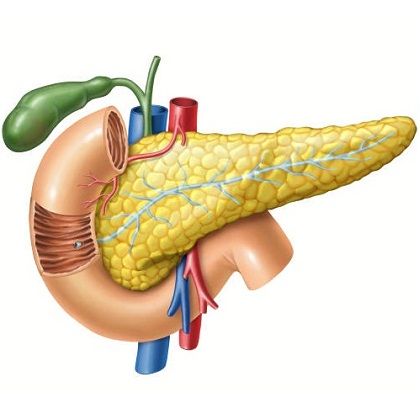
Pancreatic Cancer Treatment in Pune – Pancreas Anatomy Illustration

He strongly believes that early diagnosis is key to successful treatment. By recognising symptoms early and seeking timely medical attention, patients can improve their chances of effective treatment and better outcomes.

What is pancreatic cancer?

Pancreatic cancer is a type of cancer that begins in the cells of the pancreas, a small organ located behind the stomach and below the liver. The pancreas plays an important role in digestion by producing enzymes that help break down food. It also releases hormones, such as insulin, that help regulate blood sugar levels.

Pancreatic cancer develops when abnormal cells in the pancreas grow uncontrollably and form a tumour. It is considered one of the most serious and aggressive cancers because it often does not cause symptoms in the early stages. As a result, many cases are diagnosed only after the disease has advanced.

Early diagnosis and timely treatment are extremely important for improving outcomes. If symptoms such as unexplained weight loss, jaundice, abdominal pain, or loss of appetite occur, it is essential to consult a cancer specialist without delay.

What are the signs and symptoms of pancreatic cancer?

Dr. Lalit Banswal always says that In Pancreatic cancer, most people don’t experience early signs and symptoms. Pancreatic cancer is not known until the situation becomes serious. They can also resemble the signs of other diseases, which can make diagnosis more challenging.

  • Pain in the Upper Abdominal and middle of the stomach that spread to your back
  • jaundice
  • Tiredness.
  • Loss of appetite.
  • Light-colored poop.
  • Dark-colored pee.
  • Weight loss.
  • Blood clots in the body.
  • Itchy skin.
  • New or worsening diabetes.
  • Nausea and vomiting

If you notice any of the signs and symptoms, you must visit Dr. Lalit Banswal. He is the best HPB Cancer Specialist in Pune at the earliest. The fastest evaluation and subsequent treatment will help you combat this medical condition and live a better life.

What are the risk factors of Pancreatic cancer?

Anything that increases your chance of acquiring pancreatic cancer is a risk factor. Some risk factors can be changed, but some while others cannot.

  • Smoking and tobacco use – Smoking is one of the most dangerous risk factors for pancreatic cancer. About 30% of pancreatic cancers are thought to be caused by cigarette smoking. Also, the risk of developing pancreatic cancer is twice as high in smokers compared to non-smokers. Also, the use of tobacco products increases the risk. Dr Lalit Banswal always says the risk of pancreatic cancer starts to drop once a person stops smoking.
  • Family History – Family History is very important for any kind of disease. Pancreatic cancer appears Genetic to run in some families. That family has a higher risk of pancreatic cancer. In other families, the gene causing the increased risk is not known, so they have a low risk.
  • Age – The average age for a pancreatic cancer diagnosis is 50 to 60 but the risk of developing pancreatic cancer increases with advancing age.
  • Gender – Men are more likely to accrue pancreatic cancer than women. This may be due, at least in part, to higher smoking use in men, which causes pancreatic cancer risk.
  • Obesity – Being very overweight increases your chance of developing pancreatic cancer
  • Having diabetes – Pancreatic cancer is the most common type of cancer that occurs in people with diabetes. People with type 2 diabetes are at the highest risk, and obesity is associated with this type of diabetes.
  • Chronic pancreatitis – Chronic inflammation of the pancreas is associated with an increased risk of pancreatic cancer, especially in smokers.

Prevention of Pancreatic Cancer:

  • Don’t smoke.
  • Maintain a healthy weight.
  • Choose a healthy diet.
  • Do proper exercise
  • Don’t Drink alcohol.
  • Try to avoid getting diabetes.

Why Choose Dr. Lalit Banswal for Pancreatic Cancer Treatment in Pune?

1. Extensive Surgical Experience: With more than 20 years of experience and over 20,000 successful surgeries, Dr. Lalit Banswal is highly skilled in managing complex pancreatic cancer cases.

2. Expertise in Advanced Cancer Surgery: As an experienced Oncosurgeon in Pune, he performs pancreatic cancer surgeries using modern surgical techniques to ensure safe and effective treatment.

3. Personalized Patient Care: Every treatment plan is tailored to the patient’s condition, ensuring comprehensive care from diagnosis to recovery and long-term follow-up.

4. Treatment at a Trusted Hospital: Dr. Lalit Banswal provides advanced pancreatic cancer care at Sai Vedant Multi Speciality Hospital, equipped with modern facilities and a dedicated cancer care team.

Book an Appointment

Early diagnosis plays a vital role in the successful treatment of pancreatic cancer. If you are experiencing symptoms or have been diagnosed with pancreatic cancer, consult Dr. Lalit Banswal for expert guidance and advanced Pancreatic Cancer Treatment in Pune.

To book an appointment with Dr. Lalit Banswal at Sai Vedant Multi Speciality Hospital, call 9158050180 today.

EXCELLENT
Google star 1Google star 2Google star 3Google star 4Google star 5
Based on 166 reviews
Posted on Google Google
Tamboli L M profile picture
Tamboli L M
14/09/2026
Google star 1Google star 2Google star 3Google star 4Google star 5Trustindex verifies that the original source of the review is Google.
would like to sincerely thank Dr. Lalit Banswal for taking excellent care of me during my treatment. I was very anxious about my condition and surgery, but Dr. Lalit Banswal explained everything clearly and gave me a lot of confidence. His calm nature, personal attention and supportive approach made my treatment journey much easier. I am truly grateful for his care and dedication. Thank you, Doctor, for giving me the confidence to get better and feel normal again.” ❤️
Posted on Google Google
Shubhangi Dudhgaonkar profile picture
Shubhangi Dudhgaonkar
12/09/2026
Google star 1Google star 2Google star 3Google star 4Google star 5Trustindex verifies that the original source of the review is Google.
Very thankful to Dr. Lalit Sir for the excellent treatment and successful thyroid surgery. He is very caring, experienced, and explains everything patiently. The entire treatment journey was smooth and reassuring. Highly recommended Dr. Lalit Sir for his dedication and compassionate care.
Posted on Google Google
Ram Modi profile picture
Ram Modi
09/09/2026
Google star 1Google star 2Google star 3Google star 4Google star 5Trustindex verifies that the original source of the review is Google.
Dr. Lalit Banswal is very caring and professional. He explained everything patiently and treated our child with great attention. We are very happy and thankful for his excellent care.
Posted on Google Google
Marilyn C profile picture
Marilyn C
04/09/2026
Google star 1Google star 2Google star 3Google star 4Google star 5Trustindex verifies that the original source of the review is Google.
Patient and understanding doctor. Explained the procedure well and kept checking in on my health.
Posted on Google Google
Mihir Mahajan profile picture
Mihir Mahajan
04/09/2026
Google star 1Google star 2Google star 3Google star 4Google star 5Trustindex verifies that the original source of the review is Google.
The diagnosis by Lalit sir is very accurate and complete where patient feels safe with treatment 🙏
Posted on Google Google
Jaspreet Singh profile picture
Jaspreet Singh
31/08/2026
Google star 1Google star 2Google star 3Google star 4Google star 5Trustindex verifies that the original source of the review is Google.
We had a wonderful experience with Dr. Lalit Banswal. He is extremely professional, approachable, and empathetic. He patiently answered all our questions before the surgery and explained the procedure clearly and transparently, which gave us a lot of confidence and reassurance. What stood out most was his genuine concern for the patient and the way he was available and supportive throughout the process. Truly grateful for his care and guidance. Highly recommended.
Posted on Google Google
Rajesh Reddy Adapa profile picture
Rajesh Reddy Adapa
20/08/2026
Google star 1Google star 2Google star 3Google star 4Google star 5Trustindex verifies that the original source of the review is Google.
Thank you Lalit sir, for your dedication, care and support. ❤️
Posted on Google Google
Tushar Jadhav profile picture
Tushar Jadhav
16/08/2026
Google star 1Google star 2Google star 3Google star 4Google star 5Trustindex verifies that the original source of the review is Google.
Staff attending and support are very good.
Posted on Google Google
Kajal chavan काजल चव्हाण profile picture
Kajal chavan काजल चव्हाण
09/08/2026
Google star 1Google star 2Google star 3Google star 4Google star 5Trustindex verifies that the original source of the review is Google.
डॉक्टर तो बहुत होते हैं, लेकिन मरीज को अपनेपन का एहसास देने वाले डॉक्टर बहुत कम होते हैं। डॉ. ललित बन्सवाल सर दिल के बहुत अच्छे और नेक इंसान हैं। उन्होंने सिर्फ मेरा इलाज ही नहीं किया, बल्कि मुश्किल समय में मुझे हिम्मत और भरोसा भी दिया। उनके प्यार भरे व्यवहार और सकारात्मक सोच ने मुझे बहुत हौसला दिया। 🙏❤️”
Posted on Google Google
Digambar Kamthe profile picture
Digambar Kamthe
15/07/2026
Google star 1Google star 2Google star 3Google star 4Google star 5Trustindex verifies that the original source of the review is Google.
Sai Vedant Hospital offers excellent treatment with compassionate care. The staff is supportive, and the overall experience was truly satisfying.