
Painless Laser Piles Treatment in Pune:
Are you experiencing pain, swelling, or bleeding during bowel movements? Chronic hemorrhoid issues require expert care. Dr. Lalit Banswal, a leading laparoscopic surgeon and proctologist, provides advanced piles treatment in Pune at Sai Vedant Multi Speciality Hospital. Utilizing minimally invasive laser technologies, Dr. Lalit Banswal delivers high-precision, daycare procedures designed to eliminate discomfort, shorten recovery times, and help patients resume daily activities quickly.
Key Highlights of Treatment:
Premier Proctology & Painless Laser Surgery Solutions:
Piles (hemorrhoids) affect millions of adults worldwide. When swollen veins inside the lower rectum or anus cause continuous discomfort, immediate evaluation by an experienced specialist prevents further complications. Individuals seeking a piles doctor in Pune can access complete diagnostic and therapeutic services under the care of Dr. Lalit Banswal.
At Sai Vedant Multi Speciality Hospital, every patient undergoes a thorough medical evaluation before a personalized treatment plan is recommended. Whether managing early-stage hemorrhoids with lifestyle adjustments or treating advanced stages with laser intervention, Dr. Lalit Banswal provides comprehensive care focused on long-term relief and low recurrence rates.
Understanding Hemorrhoids: What Are Piles?
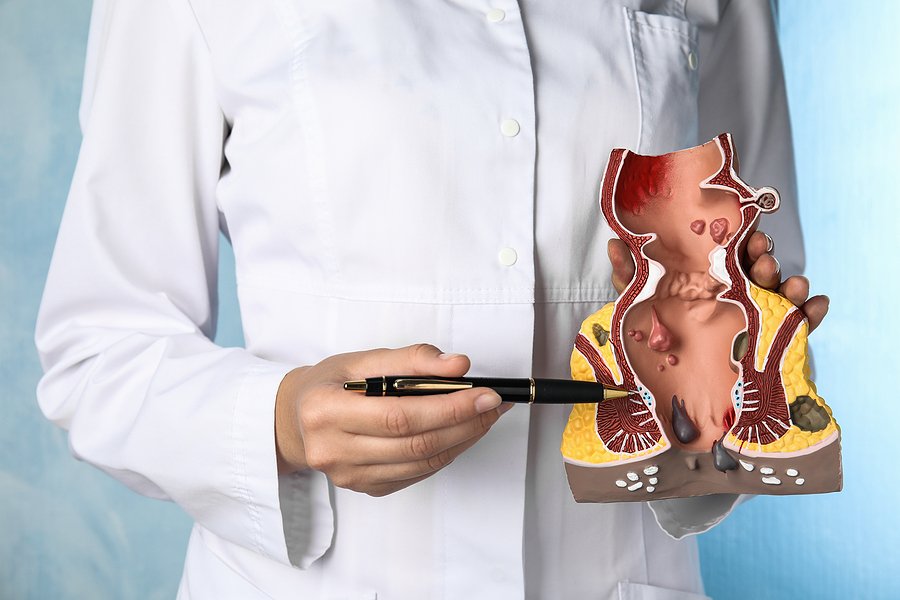
Piles, medically termed hemorrhoids, are swollen or inflamed blood vessels located in the mucosa of the lower rectum and anal canal. When pressure builds up in the pelvic area, these vascular structures dilate, stretch, and bulge, leading to pain, itching, bleeding, and tissue prolapse.
The Anatomy of Hemorrhoids: Internal vs. External Piles
- Internal Piles: These originate inside the lower rectum. Because this zone lacks pain-sensing nerves, internal piles typically do not cause acute pain in early stages. Their main symptom is bright red blood dripping into the toilet bowl during defecation.
- External Piles: These develop beneath the skin surrounding the outer anal opening. Because this area contains dense nerve endings, external hemorrhoids cause noticeable pain, itching, and swelling, particularly if a blood clot forms inside the vein (thrombosed external hemorrhoid).
Recognizing the Stages: Grade 1 to Grade 4 Piles Explained
Internal hemorrhoids are categorized into four distinct grades based on the extent of tissue prolapse:
Common Causes & Risk Factors of Piles:
Understanding why hemorrhoids develop helps patients prevent recurrences and manage underlying digestive issues.
Lifestyle & Dietary Factors Triggering Hemorrhoids:
- Chronic Constipation: Low dietary fiber leads to hard, dry stools, forcing prolonged straining during evacuation.
- Inadequate Water Intake: Dehydration stiffens fecal matter and reduces intestinal motility.
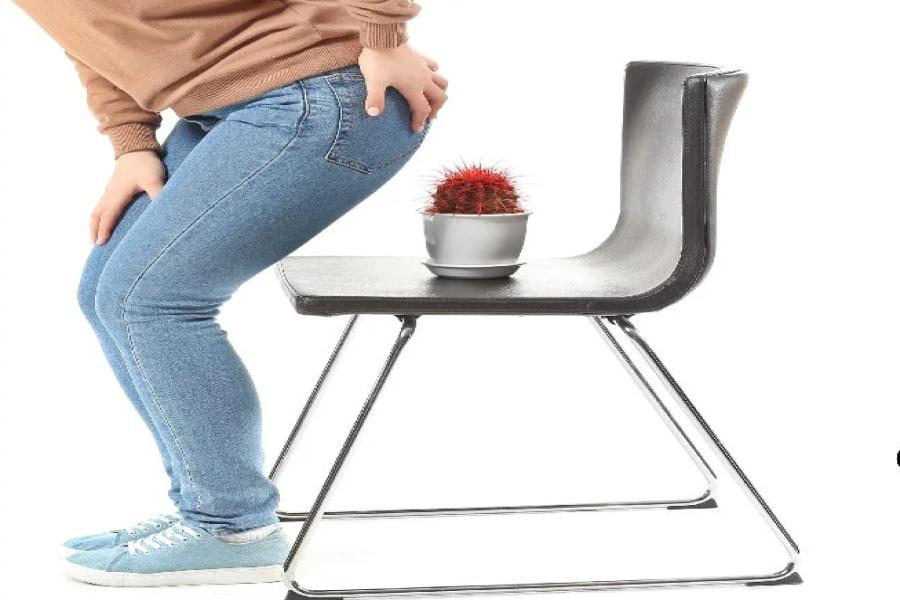
- Sedentary Lifestyle: Prolonged sitting—especially on hard chairs or toilet seats—increases pressure within pelvic veins.
- Poor Toilet Habits: Spending excessive time on the toilet straining or reading mobile phones strains anal tissues.
Pregnancy, Straining, & Chronic Digestive Conditions:
- Pregnancy & Childbirth: Increased uterine weight puts direct pressure on pelvic veins, slowing blood return to the heart.
- Heavy Weightlifting: Improper lifting techniques exert high intra-abdominal pressure.
- Chronic Diarrhea: Frequent, explosive bowel movements irritate the mucosal lining of the anal canal.
- Age-Related Tissue Weakening: Structural support tissues lining the anus naturally weaken over time.
Signs and Symptoms: When to Consult a Proctologist?
Early detection makes treatment simpler and less invasive. Consulting the best doctor for piles in Pune at the first sign of discomfort prevents Grade 1 or 2 piles from progressing to advanced stages.
Primary Symptoms of Piles:
- Painless Rectal Bleeding: Noticing drops or streaks of bright red blood on toilet paper or in the bowl.
- Anal Itching and Irritation: Persistent itching caused by mucus discharge from internal hemorrhoids.
- Pain and Discomfort: Sharp pain or throbbing ache during or after sitting and passing stools.
- Lump near the Anal Opening: Sensitive or painful swelling around the outer skin.
- Incomplete Evacuation Feeling: A persistent sensation that bowel contents have not cleared completely.
Warning Signs That Require Immediate Medical Attention:
Dr. Lalit Banswal recommends urgent medical consultation if any of the following symptoms occur:
- Heavy or continuous rectal bleeding leading to fatigue, dizziness, or anemia.
- Severe, unbearable anal pain indicating a thrombosed external hemorrhoid.
- Discharge of foul-smelling pus around the anal canal.
- Unexplained dark or maroon-colored stools.
Diagnostic Approach: How We Evaluate Piles?
At Sai Vedant Multi Speciality Hospital, Dr. Lalit Banswal follows systematic clinical guidelines to ensure accurate diagnosis and personalized treatment planning.
Clinical Physical Examination & Anoscopy:
- Patient History Review: Lalit Banswal reviews the patient’s dietary habits, bowel patterns, medical history, and symptom duration.
- Digital Rectal Examination (DRE): A brief clinical inspection to evaluate muscle tone, check for internal masses, and assess tenderness.
- Anoscopy: A painless, short diagnostic examination using a lubricated light instrument (anoscope) to visualize the internal rectal lining, pinpoint hemorrhoid locations, and evaluate exact grading.
Differential Diagnosis: Distinguishing Piles from Fissure and Fistula
Rectal discomfort is not always caused by piles. Accurately distinguishing between various proctological conditions ensures proper medical management:
- Piles: Swollen veins causing bleeding, prolapse, and dull discomfort.
- Anal Fissure: A small tear in the mucosal lining of the anal canal causing intense, sharp, cutting pain during bowel movements. Patients requiring accurate diagnosis can seek specialized fissure treatment in Pune at the clinic.
- Anal Fistula: An infected tunnel connecting an internal anal gland to the outer skin, causing continuous discharge of pus and blood. Specialized care for this condition is available through dedicated fistula treatment in Pune.
Advanced Piles Treatment Options Available in Pune:
Dr. Lalit Banswal prioritizes conservative and minimally invasive procedures, resorting to open surgery only when clinically required.
Non-Surgical & Conservative Management (Grade 1 & 2)
Early-stage hemorrhoids often respond well to non-surgical intervention:


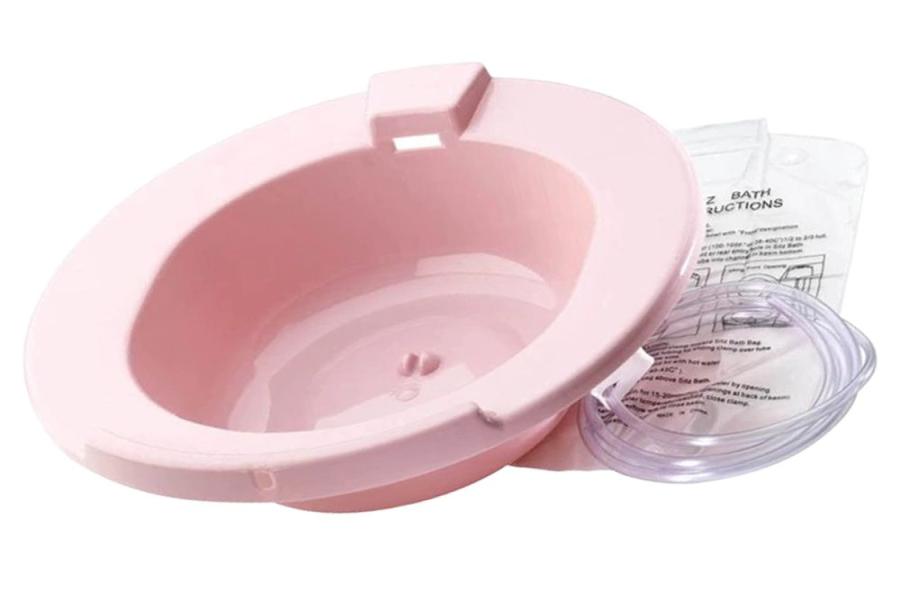
For patients seeking non-surgical piles treatment in Pune, Dr. Lalit Banswal customizes lifestyle modifications and clinical medical therapy to resolve symptoms without invasive procedures.
Painless Laser Piles Treatment (Laser Hemorrhoidoplasty - LHP):
Laser Hemorrhoidoplasty is the gold standard for treating Grade 2 and Grade 3 piles. Dr. Lalit Banswal inserts a fine laser fiber directly into the hemorrhoidal node through a micro-entry point. Controlled laser energy coagulates the internal blood supply, causing the swollen vein to shrink and seal closed naturally without damaging surrounding sphincter muscles.
Stapler Hemorrhoidopexy (Stapler Surgery):
For large prolapsed Grade 3 internal hemorrhoids, Dr. Lalit Banswal performs stapled hemorrhoidopexy. This procedure uses a specialized circular stapling device to lift prolapsed tissue back into its anatomical position and cut off its blood supply, causing the tissue to shrink over time.
Conventional Hemorrhoidectomy for Complex Grade 4 Cases:
In cases involving severe, irreversible Grade 4 hemorrhoids or extensive thrombosed external piles, traditional surgical removal (hemorrhoidectomy) may be recommended. Dr. Lalit Banswal carefully excises excess tissue to restore normal function while protecting anal sphincter control.
Why Choose Painless Laser Piles Surgery?
Modern proctology has evolved significantly. Laser piles treatment in Pune offers distinct advantages over older surgical methods.
Key Benefits of Minimally Invasive Laser Technology:
- Zero Cuts & No Stitches: Precision laser energy treats target tissue without open incisions.
- Minimal Blood Loss: The laser beam seals blood vessels as it works, ensuring a virtually bloodless procedure.
- Preservation of Sphincter Muscles: Precise thermal delivery prevents damage to anal muscles, eliminating the risk of postoperative fecal incontinence.
- Daycare Procedure: Most patients are admitted, treated, and discharged on the same day.
- Minimal Postoperative Pain: Without open wounds, patients experience significantly less pain during recovery.
Comparison: Laser Surgery vs. Traditional Piles Surgery
Cost of Piles Surgery in Pune & Insurance Coverage:
Understanding medical expenses helps patients plan their treatment without unexpected financial stress.
1. Factors Affecting the Cost of Laser Piles Treatment:
- Grade and Severity of Piles: Early-stage single nodes cost less to treat than multi-grade, complex cases.
- Selected Treatment Technology: Advanced diode laser fibers and specialized stapler devices impact overall costs.
- Hospital Room Category: Room selection (general ward, semi-private, private) influences room rent and nursing fees.
- Length of Stay: Daycare procedures reduce overnight hospital charges.
For transparent guidance on painless piles surgery cost, patients can schedule a clinical consultation at Sai Vedant Multi Speciality Hospital.
2. Cashless Mediclaim & Insurance Approval:
Laser piles procedures are recognized medical therapies covered by major health insurance providers. The administrative team at Sai Vedant Multi Speciality Hospital assists patients with document processing, pre-authorization, and cashless approval to ensure a smooth, hassle-free experience.
Patient Journey: What to Expect During & After Treatment?
Knowing what to expect at each step reduces anxiety and prepares patients for a smooth recovery.
Step 1: Pre-Operative Preparation & Daycare Admission
- Routine pre-surgical blood tests and clinical clearance are completed prior to admission.
- Patients fast for 6 to 8 hours before the scheduled laser procedure.
- On the morning of treatment, the patient is admitted to the daycare unit at Sai Vedant Multi Speciality Hospital.
Step 2: Post-Operative Care & Fast-Track Recovery Steps
- Following laser therapy, patients rest in the recovery ward for a few hours under clinical monitoring.
- Liquid nutrients and light food are introduced once recovery from mild sedation is complete.
- Most patients are cleared for discharge on the same evening with explicit home care instructions.
Step 3: Post-Treatment Dietary & Lifestyle Guidelines
To ensure smooth healing and prevent recurrences, Dr. Lalit Banswal advises patients to follow these recovery guidelines:
- Diet: Consume high-fiber meals including papaya, oats, leafy vegetables, and soaked chia seeds.
- Hydration: Maintain a daily fluid intake of 3 to 4 liters.
- Warm Sitz Baths: Soak in warm water for 10 to 15 minutes twice daily after bowel movements.
- Activity: Walk daily to stimulate digestion, avoiding heavy weightlifting or strenuous exercise for two weeks.
Why Consult Dr. Lalit Banswal at Sai Vedant Multi Speciality Hospital?
Selecting an experienced specialist is crucial for achieving successful outcomes and avoiding recurrence.
Surgical Excellence & Advanced Proctology:
Dr. Lalit Banswal is a distinguished surgeon with extensive training in advanced proctology, laparoscopic surgery, and surgical oncology. His patient-focused approach prioritizes minimal discomfort, maximum tissue preservation, and clear communication throughout the treatment process.
State-of-the-Art Facilities at Sai Vedant Multi Speciality Hospital:
Located in a accessible part of the city, Sai Vedant Multi Speciality Hospital features advanced operation theaters, German-engineered laser systems, dedicated daycare wards, and an experienced nursing staff. Patients receive compassionate, high-quality care in a comfortable environment.
Related Gastrointestinal & Proctology Conditions We Treat:
Comprehensive digestive and proctological care requires expertise across multiple related surgical disciplines. At Sai Vedant Multi Speciality Hospital, Dr. Lalit Banswal provides evaluation and surgical treatment for several conditions:
- Hernia Repair: Modern mesh repair options, including advanced laparoscopic hernia surgery, to reinforce weakened abdominal walls.
- Gallbladder Surgery: Diagnostic evaluation and precise laparoscopic gallbladder stones treatment for chronic biliary issues.
- Complex Sinus Care: Specialized, flap-preserving pilonidal sinus surgery to treat recurrent gluteal cleft infections.
- Diagnostic Investigations: Advanced upper and lower GI evaluations through dedicated colonoscopy & endoscopy services.
- Oncology Services: Specialized evaluation and management of gastrointestinal malignancies via comprehensive gastrointestinal oncology services.
Book Your Consultation for Piles Treatment in Pune:
Do not let chronic piles impact your health, productivity, and quality of life. Get expert medical care from a trusted specialist today.
- Hospital: Sai Vedant Multi Speciality Hospital, Pune
- Services Available: Outpatient Consultations, Anoscopy, Non-Surgical Therapy, Laser Hemorrhoidoplasty (LHP), Stapler Surgery
- Contact Information: +919158050180
Frequently Asked Questions:
A permanent solution requires treating both the swollen vascular tissue and its root cause. Advanced laser treatment effectively eliminates hemorrhoidal nodes, while maintaining a high-fiber diet, proper hydration, and avoiding straining during bowel movements prevents new piles from forming. Dr. Lalit Banswal tailors long-term care plans to each patient’s needs to ensure lasting relief.
No, laser piles treatment is virtually painless. Because the procedure involves no surgical cuts or open wounds, patients experience minimal discomfort compared to traditional open surgery. Mild postoperative tightness is easily managed with standard oral analgesics prescribed by Dr. Lalit Banswal.
The cost of laser piles surgery varies depending on the hemorrhoid grade, the number of affected nodes, room selection, and individual medical needs. The financial desk at Sai Vedant Multi Speciality Hospital provides clear, upfront cost estimates following a clinical evaluation by Dr. Lalit Banswal.
Piles are swollen blood vessels in the rectum or anus that cause bleeding and tissue prolapse. An anal fissure is a sharp tear in the anal canal lining that causes severe pain during bowel movements. An anal fistula is an infected tunnel connecting an anal gland to the outer skin that continuously discharges pus. Dr. Lalit Banswal conducts an anoscopy to differentiate between these conditions and recommend the appropriate treatment.
Recovery following laser hemorrhoidoplasty is rapid. Most patients are discharged within 24 hours of their procedure and can resume light daily activities and desk work within 2 to 3 days. Full tissue healing typically occurs within 7 to 10 days.
Yes, Grade 1 and early Grade 2 piles can often be managed without surgery through dietary adjustments, stool softeners, increased fluid intake, and regular warm sitz baths. Dr. Lalit Banswal recommends non-surgical management whenever clinically appropriate.
Patients with piles should avoid spicy foods, processed snacks, deep-fried items, caffeine, alcohol, and refined flour (maida). These foods can irritate the digestive tract, slow intestinal motility, and worsen constipation.
Yes, laser treatment for piles is a medically necessary procedure covered by most health insurance plans and TPAs. The administrative team at Sai Vedant Multi Speciality Hospital assists patients with pre-authorization and cashless claim processing.




