Esophageal Cancer Treatment in Pune | Dr. Lalit Banswal
If you or a loved one has been diagnosed with esophageal cancer — also known as food pipe cancer — you need a specialist who combines advanced surgical expertise with genuine compassionate care. Dr. Lalit Banswal, Best Surgical Oncologist in Pune with over 20+ years of experience and more than 20,000 successful cancer surgeries, provides comprehensive esophageal cancer treatment in Pune at Sai Vedant Multi Speciality Hospital, Undri. As a leading GI Cancer Surgeon in Pune, Dr. Lalit Banswal offers the full spectrum of food pipe cancer treatment in Pune — from accurate diagnosis and staging to minimally invasive surgery, robotic esophagectomy, chemotherapy, and targeted therapy — all under one roof.
What Is Esophageal Cancer? — Food Pipe Cancer Explained Simply
The esophagus — commonly called the food pipe — is a long muscular tube approximately 25 cm in length that connects the throat to the stomach. Its sole function is to carry food and liquids from the mouth down to the stomach for digestion.
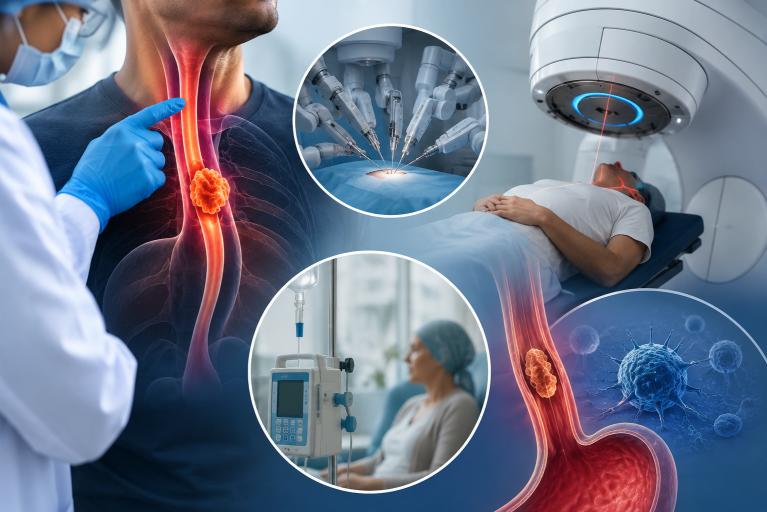
Esophageal cancer — medically known as carcinoma esophagus — occurs when malignant cells develop in the lining of the esophagus and begin to grow uncontrollably. A tumor in the esophagus typically starts as a small, localised growth and gradually expands — eventually blocking the esophagus and making swallowing increasingly difficult.
Carcinoma of esophagus is the eighth most common cancer globally and the sixth leading cause of cancer death worldwide — making early detection and expert treatment critically important.
How Common Is Esophageal Cancer in India?
Cancer in food pipe is a significant health concern in India — particularly in certain geographic regions and high-risk population groups. Key facts:
- India accounts for a significant percentage of global esophageal cancer cases.
- Rates are higher in men than women — particularly above the age of 50
- In India, food pipe cancer is strongly linked to tobacco use, alcohol consumption, betel nut chewing, and hot beverage consumption.
- Urban populations in Maharashtra, including Pune, Undri, Hadapsar, and Kondhwa, are increasingly seeking specialist esophageal cancer staging India expertise for timely diagnosis and treatment.
- Most cases in India are diagnosed at an advanced stage — making awareness of early symptoms critical.
Types of Esophageal Cancer:
Esophageal cancer is classified based on the type of cells where it originates. The two most important types are:
1. Squamous Cell Carcinoma of the Esophagus:
Squamous cell carcinoma esophagus arises from the flat, thin cells that line the inner surface of the esophagus. It is the most common type of esophageal cancer in India and Asia — predominantly affecting the upper and middle portions of the esophagus. It is strongly associated with tobacco use, alcohol consumption, and nutritional deficiencies.
2. Adenocarcinoma of the Esophagus:
Adenocarcinoma esophagus develops in the mucus-secreting glandular cells — most commonly in the lower portion of the esophagus, near the junction with the stomach. Esophageal adenocarcinoma is closely linked to chronic gastroesophageal reflux disease (GERD), Barrett’s oesophagus, and obesity. Adenocarcinoma esophagus treatment requires a slightly different approach than squamous cell carcinoma — making accurate tissue diagnosis essential before treatment begins.
Causes and Risk Factors of Esophageal Cancer:
Understanding what causes cancer in food pipe helps patients and families identify risks early and make informed lifestyle changes.
Common risk factors include:
- Tobacco use — Smoking and smokeless tobacco (gutka, betel nut) significantly increase squamous cell carcinoma risk
- Alcohol consumption — Particularly heavy or long-term alcohol use — especially combined with tobacco
- Chronic GERD — Long-standing acid reflux damages esophageal lining — increasing adenocarcinoma risk
- Barrett’s Oesophagus — Pre-cancerous changes in the lower esophageal lining caused by chronic acid exposure
- Obesity — Excess weight increases intra-abdominal pressure and GERD risk
- Hot beverages — Regularly consuming very hot tea or coffee has been linked to esophageal squamous cell carcinoma in Indian populations
- Poor nutrition — Diets low in fruits and vegetables increase risk
- Age and gender — Risk increases significantly above age 50 and is higher in men
- Prior radiation — Previous radiation therapy to the chest or upper abdomen
Signs and Symptoms of Esophageal Cancer — What to Watch For?
Esophagus cancer symptoms are often subtle in the early stages — which is exactly why most cases in India are diagnosed late. Recognising early warning signs is critical for better outcomes.
Common esophagus cancer symptoms include:
- Dysphagia — Difficulty swallowing — the most common and earliest symptom. Initially with solid foods, then progressing to liquids
- Unexplained weight loss — Often significant — due to reduced food intake from swallowing difficulty
- Chest pain or discomfort — A burning, pressing, or aching sensation in the chest or behind the breastbone
- Persistent hoarseness or cough — When the tumour presses on the recurrent laryngeal nerve or trachea
- Regurgitation — Food or liquid coming back up after swallowing
- Heartburn that worsens — Persistent or newly worsening acid reflux symptoms
- Vomiting blood — In more advanced cases
Signs of esophageal cancer that require immediate specialist consultation:
- Difficulty swallowing that is worsening progressively over weeks
- Unexplained weight loss of more than 5 percent of body weight
- Persistent chest pain not explained by other causes
- Any combination of the above symptoms with a history of chronic GERD or tobacco use
Do not ignore symptoms of esophageal cancer. Early evaluation by a qualified esophageal cancer specialist in Pune can make a life-changing difference in treatment outcomes.
How Is Esophageal Cancer Diagnosed?
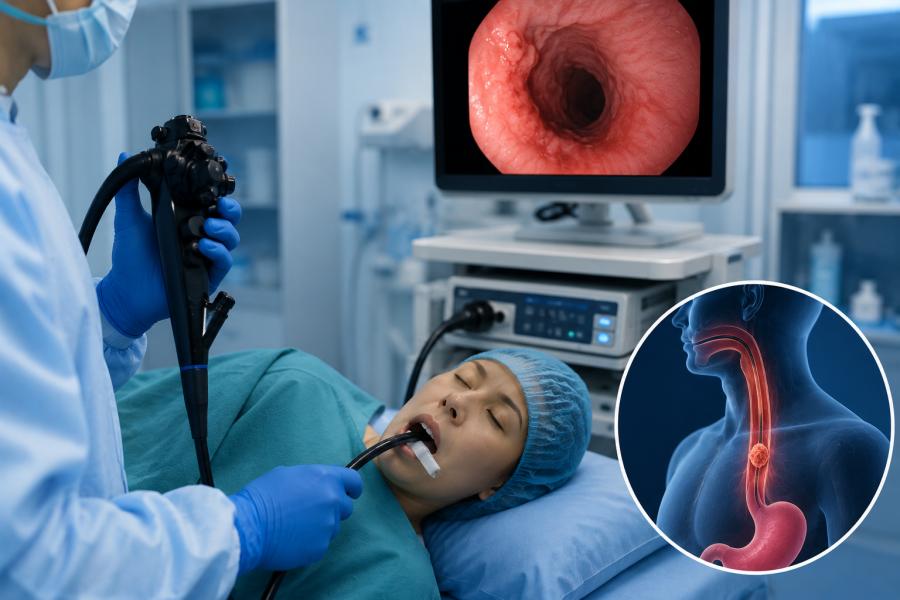
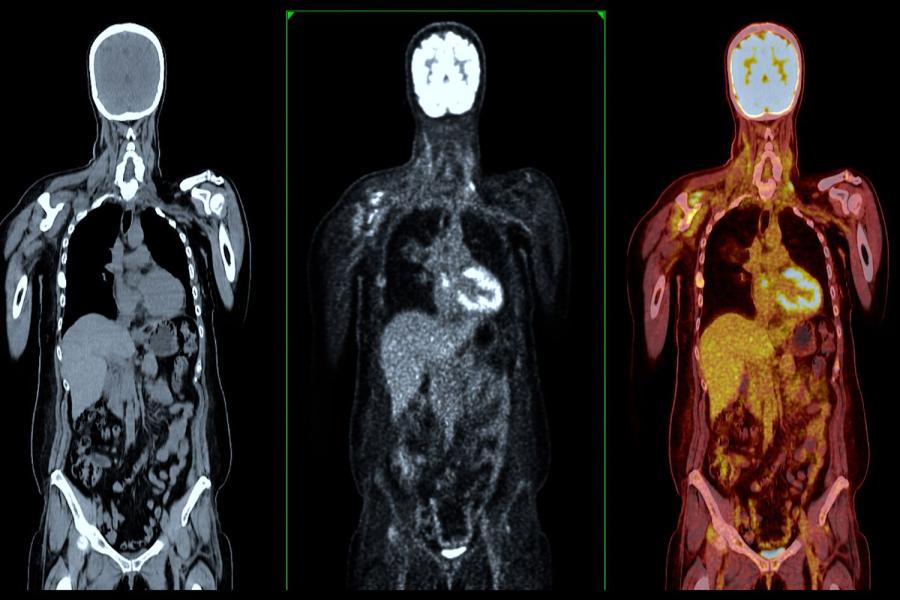
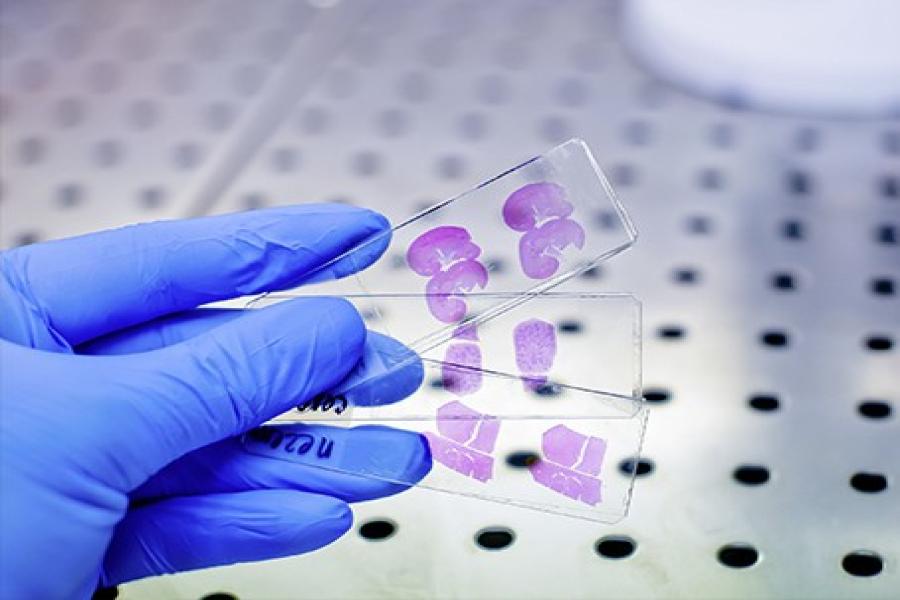
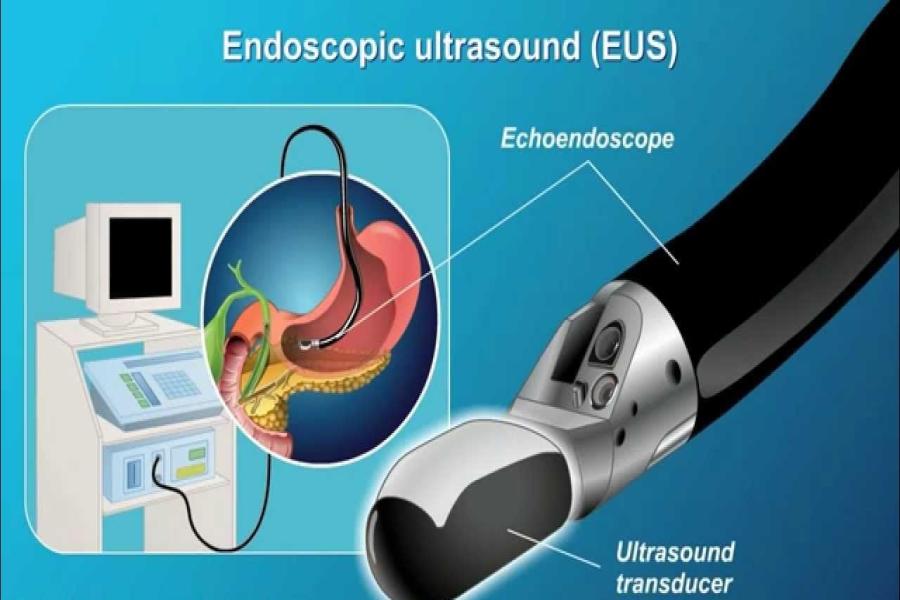
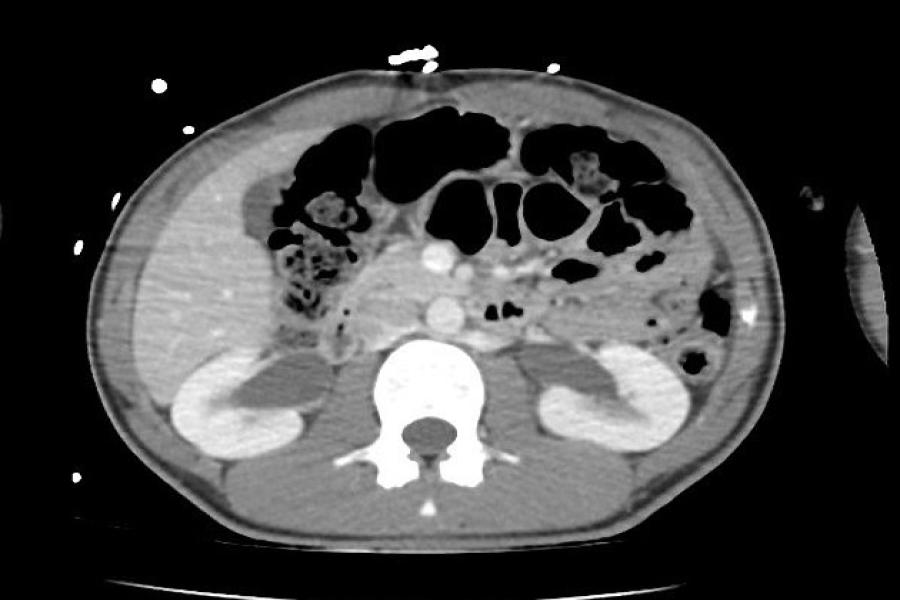
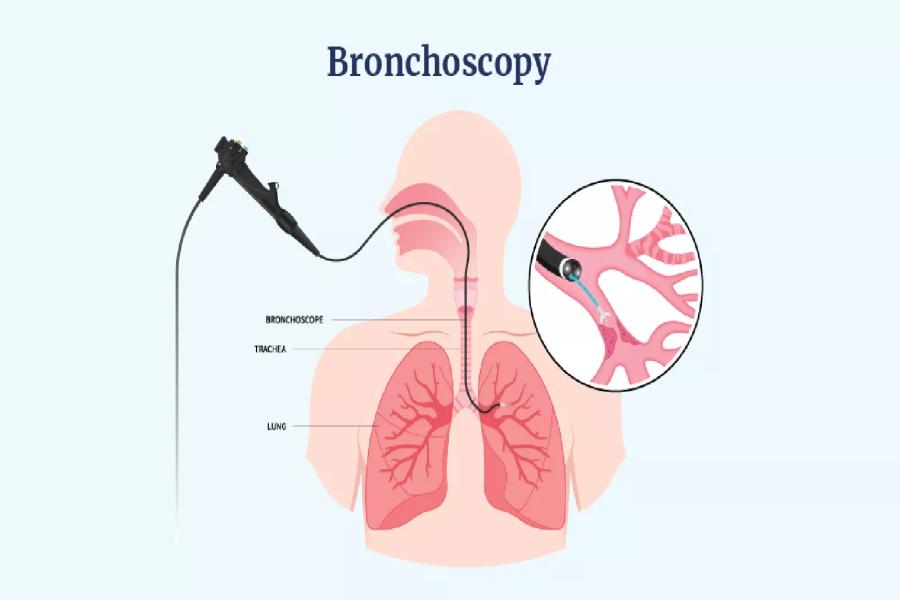
Accurate diagnosis of carcinoma esophagus involves a systematic combination of imaging, endoscopy, and tissue analysis. Dr. Lalit Banswal follows a comprehensive diagnostic protocol:
Esophageal Cancer Stages — What They Mean for Treatment?
Note: Staging and treatment decisions are always individualised. Consult Dr. Lalit Banswal for a personalised treatment plan based on your specific diagnosis.
Esophageal Cancer Treatment Options in Pune:
Dr. Lalit Banswal provides comprehensive esophageal cancer treatment in Pune at Sai Vedant Multi Speciality Hospital, Undri. Every treatment plan is carefully personalised based on the type of cancer, tumour stage, overall health, and individual patient needs. Whenever possible, surgery remains the most effective curative treatment for food pipe cancer.
Surgical Treatment for Esophageal Cancer:
Esophagectomy – The Gold Standard for Curative Treatment:
Esophagectomy is the primary surgical treatment for localised esophageal cancer. It involves removing the cancerous portion or the entire esophagus, along with surrounding lymph nodes, to achieve complete cancer clearance. The food passage is then reconstructed using the stomach or, in selected cases, a portion of the colon.
As one of the most technically demanding procedures in surgical oncology, esophagectomy requires specialised expertise and meticulous surgical planning to achieve the best possible outcomes.
Types of Esophageal Cancer Surgery:
- Partial Esophagectomy: Removal of the affected portion of the esophagus with adequate cancer-free surgical margins.
- Total Esophagectomy: Complete removal of the esophagus for extensive or multifocal tumours, followed by reconstruction of the digestive tract.
- Lymph Node Dissection: Systematic removal of regional lymph nodes for accurate cancer staging and improved long-term disease control.
Minimally Invasive and Robotic Esophagectomy in Pune:
Dr. Lalit Banswal performs minimally invasive esophagectomy using advanced laparoscopic and robotic surgical techniques. These modern approaches offer greater precision while minimising surgical trauma and helping patients recover faster compared to conventional open surgery.
Benefits of Minimally Invasive Esophagectomy:
- Smaller incisions with minimal scarring
- Reduced blood loss during surgery
- Less post-operative pain
- Lower risk of wound-related complications
- Shorter hospital stay, typically 5–8 days
- Faster recovery and earlier return to normal activities
- Earlier resumption of oral feeding
- Reduced risk of post-operative lung complications
- Better preservation of long-term quality of life
Robotic Esophageal Cancer Surgery:
For selected patients, Dr. Lalit Banswal performs robotic-assisted esophagectomy, offering enhanced precision and improved visualisation during complex cancer surgery. This advanced approach, part of Robotic Cancer Surgery, enables meticulous dissection around vital structures while maintaining the principles of complete cancer removal, making it one of the most advanced surgical options available for esophageal cancer treatment in Pune.
Non-Surgical Treatment for Esophageal Cancer:
Depending on the stage of the disease and the overall treatment plan, non-surgical therapies may be recommended either before surgery, after surgery, or for advanced-stage disease. These include:
- Chemotherapy
- Radiation Therapy
- Chemoradiation
- Targeted Therapy
- Immunotherapy
Dr. Lalit Banswal works closely with a multidisciplinary oncology team to determine the most appropriate combination of surgical and non-surgical treatments, ensuring every patient receives evidence-based, personalised cancer care.
Is Esophageal Cancer Curable? What Results Can You Expect?
The honest answer is — yes, esophageal cancer can be cured when detected and treated early. Esophagus cancer cure rate is strongly linked to the stage at diagnosis:
- Stage 1 — Surgery alone achieves cure in the majority of patients — 5-year survival rates above 70 percent
- Stage 2 — Combined surgery and chemotherapy delivers 5-year survival rates of 40 to 55 percent
- Stage 3 — Chemoradiation followed by surgery achieves 5-year survival of 20 to 35 percent in selected patients
- Stage 4 — Treatment focuses on disease control and quality of life — modern immunotherapy has significantly extended survival even at this stage
The esophageal cancer survival rate improves dramatically with earlier diagnosis — reinforcing why every symptom must be investigated promptly.
Esophageal Cancer Survival Rate by Stage:
Note: These figures are approximate and based on global data. Individual esophageal cancer survival rate depends on cancer type, overall health, response to treatment, and surgical expertise. Always consult Dr. Lalit Banswal for a personalised prognosis.
Life After Esophageal Cancer Treatment:
Recovery after esophageal cancer treatment — particularly after esophagectomy — requires lifestyle adjustments and careful follow-up. Here is what patients can expect:
Dietary changes after surgery:
- Small, frequent meals — 6 to 8 small meals per day instead of 3 large ones
- Avoid lying down immediately after eating — reflux is common after esophageal reconstruction
- Soft, easily digestible foods initially — gradually progressing to normal diet
- Avoid carbonated drinks and foods that cause bloating
Follow-up monitoring:
- Regular endoscopy and CT scan every 3 to 6 months for the first 2 years
- Blood tests and tumour marker monitoring at each follow-up visit
- Nutritional assessment and dietitian support during recovery
- Psychological support — adjustment to life after major cancer surgery takes time
Quality of life:
Most patients treated by Dr. Lalit Banswal at Sai Vedant Multi Speciality Hospital Undri return to fulfilling, active lives after esophageal cancer treatment — with appropriate dietary adaptation and regular medical follow-up.
Why Choose Dr. Lalit Banswal for Esophageal Cancer Treatment in Pune?
Patients across Pune, Undri, Hadapsar, Kondhwa, and Maharashtra choose Dr. Lalit Banswal as their trusted esophageal cancer specialist in Pune — and here is why:
- 20+ Years of Surgical Oncology Experience — Best Cancer Surgeon in Pune with over 20,000 successful cancer surgeries — one of the highest surgical volumes in Maharashtra
- Advanced Robotic and Minimally Invasive Esophagectomy — Pioneer in robotic surgery in Pune for esophageal cancer — offering patients the safest, most precise surgical approach with faster recovery
- D. in Oncology — Highest academic qualification in cancer surgery — reflecting unmatched depth of clinical and research expertise
- Maharashtra Ratna Award 2023 — Recognised by the Government of Maharashtra for outstanding contributions to cancer care
- Complete GI Cancer Expertise — Stomach cancer treatment in Pune, GI cancer surgery in Pune, laparoscopic surgery in Pune — all available at one centre under one specialist
- Multidisciplinary Treatment — Surgery, chemotherapy, chemoradiation, targeted therapy, and immunotherapy — coordinated by Dr. Lalit Banswal and a dedicated oncology team
- Transparent, Patient-First Care — Every patient receives a thorough personalised treatment plan explained in simple, clear language — no pressure, no false promises.
- Conveniently Located — Sai Vedant Multi Speciality Hospital Undri is easily accessible from Hadapsar, Kondhwa, Magarpatta, Wanowrie, Katraj, and all major Pune areas.
Book an Appointment with Dr. Lalit Banswal:
Do not delay seeking specialist care for food pipe cancer symptoms or a recent esophageal cancer diagnosis. Early treatment saves lives — and expert surgical care makes all the difference in outcomes.
Book your consultation for esophageal cancer treatment in Pune with Dr. Lalit Banswal at Sai Vedant Multi Speciality Hospital Undri today.
- Phone: +91 9158050180
- Address: Sai Vedant Multi Speciality Hospital, 2nd and 3rd Floor, Hadapsar Road, Behind Undri City Center Mall, Near HDFC Bank, Bellagio, Undri, Pune — 411060
- OPD Timing: 24 Hours
FAQs About Esophageal Cancer Treatment in Pune:
The most common and earliest sign of esophageal cancer is progressive difficulty swallowing — called dysphagia. It typically starts with solid foods like chapati or rice and gradually worsens to include soft foods and liquids. Many patients also notice unexplained weight loss alongside swallowing difficulty. If you experience these symptoms of esophageal cancer for more than 2 to 3 weeks — particularly with a history of GERD, tobacco, or alcohol use — consult an esophageal cancer specialist in Pune immediately.
The best esophageal cancer treatment in Pune depends on the stage and type of cancer. For localised cancer, esophagectomy surgery in Pune — particularly minimally invasive or robotic esophagectomy — offers the highest chance of cure. For locally advanced cancer, chemoradiation followed by surgery is the standard of care. For metastatic disease, chemotherapy combined with targeted therapy or immunotherapy is used. Dr. Lalit Banswal at Sai Vedant Multi Speciality Hospital Undri, provides all these treatment options under one roof.
The esophageal cancer survival rate in India varies significantly by stage. Stage 1 patients have a 5-year survival rate of 70 to 85 percent with surgery. Stage 2 survival is 40 to 55 percent with combined treatment. Stage 3 survival is 20 to 35 percent with chemoradiation and surgery. The esophagus cancer cure rate is highest when the cancer is detected and treated early — which is why awareness of early symptoms and prompt specialist consultation are critically important.
Not always. Surgery is the primary curative treatment for early and locally advanced esophageal cancer — but not all patients are candidates for esophageal cancer surgery in Pune. For very early Stage 0 or Stage 1 cancers, endoscopic resection may be sufficient. For very advanced Stage 4 cancer with distant spread, chemotherapy and immunotherapy are used without surgery. Dr. Lalit Banswal evaluates every patient individually — recommending surgery only when it offers clear clinical benefit.
Food pipe cancer — medically known as carcinoma esophagus or esophageal cancer — is a malignant tumour that develops in the esophagus, the tube connecting the throat to the stomach. Treatment of food pipe cancer depends on the stage — ranging from endoscopic removal for very early cancers to esophagectomy surgery, chemoradiation, targeted therapy, and immunotherapy for advanced cases. Cancer in food pipe treatment at Sai Vedant Multi Speciality Hospital Undri is managed by Dr. Lalit Banswal using the most advanced surgical and oncological techniques available.
The cost of esophageal cancer treatment in Pune varies based on the treatment type — endoscopic resection, open esophagectomy, minimally invasive or robotic esophagectomy, chemotherapy, or combined treatment. Robotic and minimally invasive procedures generally involve higher procedure costs but significantly lower overall costs when shorter hospital stays and faster recovery are factored in. For a completely transparent, personalised cost estimate, book a consultation with Dr. Lalit Banswal at Sai Vedant Multi Speciality Hospital Undri. Call +91 9158050180 for details.
Dr. Lalit Banswal is widely regarded as the best surgical oncologist in Pune for esophageal cancer — with 20+ years of experience, 20,000+ successful cancer surgeries, advanced robotic and minimally invasive esophagectomy expertise, and a Ph.D. in Oncology. As a leading GI Cancer Surgeon in Pune at Sai Vedant Multi Speciality Hospital, Undri, he provides complete esophageal cancer treatment from diagnosis to surgery to post-operative care. Call +91 9158050180 to book your consultation today.




