Author: Dr. Lalit Banswal

Dr. Lalit Banswal is an experienced cancer surgeon and the best surgical oncologist in Pune with surgical experience of more than 15 years. He is a panel consultant Surgical oncologist at almost all the Major corporate hospitals like Ruby Hall Clinic, Sahyadri, Noble, Jupiter, Chellaram, Inamdar, etc.

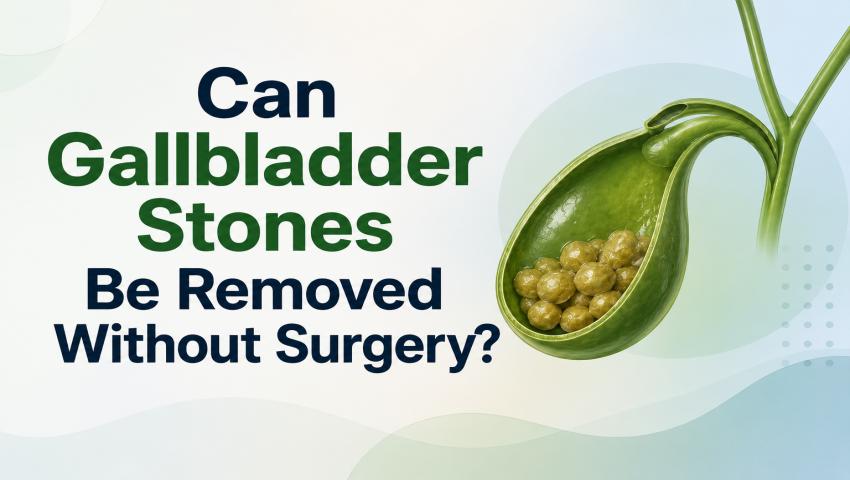
Can Gallbladder Stones Be Removed Without Surgery?

The short answer is — sometimes, but not always. Most cases of gallstones, medically known as Cholelithiasis, do require surgical intervention for permanent relief. While there are some non-surgical methods available, they work only in very specific and limited situations. Gallbladder calculi, if left untreated or poorly managed, can lead to serious complications. Understanding your options clearly is the first step towards making the right decision for your health.

What Are Gallbladder Stones?

Gallbladder stones are hard deposits that form inside the gallbladder — a small, pear-shaped organ located just below the liver. The gallbladder stores bile, a digestive fluid that helps break down fats. When the components of bile become imbalanced, they can crystallise and form stones ranging from the size of a grain of sand to as large as a golf ball.

These stones are extremely common in India, affecting millions of people across all age groups. Many people live with gallstones without knowing it, as they may not cause any symptoms in the early stages.

How Do Gallbladder Stones Form?

Gallstones form when there is an imbalance in the substances that make up bile. Here are the main reasons they develop:

  • Excess cholesterol in bile — When the liver releases more cholesterol than bile can dissolve, it crystallises into stones
  • Excess bilirubin — Conditions like liver cirrhosis or blood disorders can cause too much bilirubin, leading to pigment stones
  • Incomplete emptying of the gallbladder — If the gallbladder does not empty fully or frequently enough, bile becomes concentrated and stones form
  • Obesity and poor diet — High-fat, low-fibre diets significantly increase the risk
  • Rapid weight loss — Crash dieting causes the liver to release extra cholesterol into bile
  • Family history — Genetics play a role in who is more likely to develop Cholelithiasis

Non-Surgical Options for Gallstone Removal:

Many patients search for gall bladder stone treatment without surgery, and it is a fair concern. Here is what is currently available and what you should know:

1. Ursodeoxycholic Acid (UDCA) Tablets: This is an oral medication that can slowly dissolve small cholesterol-based gallstones. However, it works only if:

  • The stones are small (less than 5 mm)
  • The stones are made purely of cholesterol
  • The gallbladder is still functioning well
  • The patient has no severe symptoms

Even then, treatment can take 6 to 24 months, and stones can return after stopping the medication. This is not a permanent solution for most patients.

2. Extracorporeal Shock Wave Lithotripsy (ESWL): This method uses sound waves to break gallbladder calculi into smaller fragments. It is rarely used today because:

  • It works only for a single small stone
  • Fragments can still cause blockages
  • It does not prevent new stones from forming
  • It is not widely available in India

3. Contact Dissolution Therapy: A solvent is injected directly into the gallbladder to dissolve stones. This is an experimental procedure, not widely practised, and carries significant risks.

The honest truth about removing gallstones without surgery: Most of these non-surgical options are suitable for only a very small percentage of patients. They offer temporary relief and not a permanent cure. If your stones are large, multiple, causing symptoms, or blocking ducts, surgery is the safest and most effective option.

When Is Surgery Necessary?

Surgery becomes necessary when gallstones are causing problems that cannot be managed with medication or lifestyle changes. You need to consult a specialist immediately if you experience:

  • Sudden, severe pain in the upper right abdomen or centre of the abdomen
  • Pain that spreads to the right shoulder or back
  • Nausea, vomiting, and fever with chills
  • Yellowing of the skin or eyes (jaundice)
  • Recurrent episodes of abdominal pain after eating
  • Inflammation of the gallbladder (Cholecystitis)
  • Blockage of the bile duct

In these situations, gall bladder calculi treatment through surgery is the recommended and definitive treatment. The most common and preferred procedure today is Laparoscopic Cholecystectomy — a minimally invasive surgery where the gallbladder is removed through small keyhole incisions using a camera. Recovery is quick, pain is minimal, and patients can usually go home within one to two days.

At Sai Vedant Multi Speciality Hospital in Pune, Dr. Lalit Banswal — a leading Best GI Surgeon and Best Robotic Surgeon — performs advanced laparoscopic and robotic gallbladder removal surgeries with excellent outcomes and faster recovery times.

What Size of Gallbladder Stones Need Surgery?

Size matters when deciding treatment. Here is a simple guide:

It is not just about size though. Even a small stone can cause a complete bile duct blockage and become a medical emergency. Multiple stones, regardless of size, usually require Gallstone Removal Surgery in Pune for permanent resolution.

Conclusion:

Can gallbladder stones be removed without surgery? In rare and very specific cases — yes. But for the vast majority of patients, especially those with symptoms, large stones, or multiple calculi, surgery remains the most reliable, safe, and permanent solution.

Do not delay seeking medical advice if you are experiencing symptoms. Early diagnosis and timely treatment can prevent serious complications. If you are looking for expert gallstone treatment in Pune, consult Dr. Lalit Banswal at Sai Vedant Multi Speciality Hospital for a thorough evaluation and a personalised treatment plan that is right for you.

Does Quitting Tobacco Reduce Cancer Risk? Here’s What You Should Know

Quitting tobacco is one of the most significant decisions you can make for your long-term health. Whether you smoke cigarettes, use bidis, or consume smokeless tobacco like gutka, the question remains: Does quitting tobacco reduce cancer risk? According to Dr. Lalit Banswal, a leading cancer surgeon with over 15 years of experience, the answer is a resounding yes. At Sai Vedant Multi-Speciality Hospital, many patients ask if the damage is reversible. While the body begins to heal almost immediately, understanding the link between tobacco and cancer is the first step toward a healthier life.

How Tobacco Increases Cancer Risk?

Tobacco products contain more than 7,000 chemicals. At least 70 of these are known carcinogens, meaning they directly cause cancer. When these toxins enter the body, they damage the DNA within your cells.

The effects of tobacco on the body are widespread:

  • DNA Damage: Tobacco smoke interferes with the body’s “instruction manual” for cells. When DNA is damaged, cells can grow out of control, creating tumors.
  • Weakened Immunity: Tobacco weakens the immune system, making it harder for your body to kill cancer cells before they spread.
  • Inflammation: Constant exposure to tobacco leads to chronic inflammation, which is a known trigger for various types of cellular mutations.

Types of Cancer Caused by Tobacco:

Most people associate tobacco only with lung cancer, but the reality is much broader. Tobacco use affects almost every organ. The various cancers caused by tobacco include:

  • Lung Cancer: The most common form, responsible for the majority of tobacco-related deaths.
  • Oral Cancer: Highly prevalent in India due to chewing tobacco and betel nut.
  • Throat and Esophageal Cancer: Damage occurs as smoke or tobacco juices pass through the throat.
  • Bladder and Kidney Cancer: Toxins are filtered through the blood and excreted via the urinary system, damaging these organs.
  • Pancreatic and Stomach Cancer: Carcinogens enter the bloodstream and affect the digestive system.
  • Blood Cancer (Leukemia): Specific chemicals like benzene in tobacco smoke are linked to bone marrow damage.

Does Quitting Tobacco Reduce Cancer Risk?

Yes, quitting tobacco significantly reduces your risk of developing cancer over time. The risk does not drop to zero overnight, but the downward trend begins the moment you stop.

Why the Risk Drops?

When you stop using tobacco, you stop the continuous bombardment of toxins on your cells. This allows your body’s natural repair mechanisms to take over. Over several years, the precancerous cells in the lungs, mouth, and throat can be replaced by healthy tissue.

Key Risk Reduction Statistics:
  • 5 Years After Quitting: The risk of mouth, throat, and bladder cancer is cut by half.
  • 10 Years After Quitting: The risk of dying from lung cancer is about 50% lower than that of someone who continues to smoke.
  • 15 Years After Quitting: The risk of esophageal cancer is significantly reduced, similar to that of a non-smoker.
Impact on Different Forms of Tobacco:

Whether it is cancer by tobacco smoke or smokeless forms, quitting benefits everyone. For those using snuff or gutka, stopping reduces the constant irritation of the oral lining, which prevents the progression of Oral Submucous Fibrosis (OSMF) into malignant cancer.

Health Benefits After Quitting Tobacco:

The body has an incredible ability to heal. Here is a timeline of how your health improves:

  • 20 Minutes: Your heart rate and blood pressure drop to normal levels.
  • 12 Hours: Carbon monoxide levels in your blood drop, allowing more oxygen to reach your organs.
  • 2 to 12 Weeks: Blood circulation improves, and your lung function increases, making physical activity easier.
  • 1 to 9 Months: Coughing and shortness of breath decrease as the tiny hair-like structures in the lungs (cilia) start functioning again to clean the lungs.
  • 1 Year: Your risk of heart disease is half that of a smoker’s.
  • 10 to 15 Years: The risk of various cancers is significantly lower, and your life expectancy increases by several years.

Can Former Tobacco Users Still Get Cancer?

It is important to be realistic: while the risk reduces, it does not disappear entirely. Former tobacco users can still get cancer, especially if they used tobacco heavily for many years. This is because some DNA damage may have already occurred.

Factors that influence remaining risk:

  • Duration of Use: How many years you used tobacco.
  • Quantity: The amount of tobacco consumed daily.
  • Age at Quitting: Quitting at a younger age offers the most significant reduction in risk.

Because of this residual risk, Dr. Lalit Banswal recommends regular screenings for former heavy users. Early detection is life-saving, and being proactive is the best defense.

Conclusion:

Quitting tobacco is the single best thing you can do for your health. While the journey is challenging, the rewards—a longer life, better breathing, and a vastly reduced risk of cancer—are worth the effort. If you are looking for professional guidance or screening, consulting the best oncosurgeon in Pune can provide you with the clarity and medical support you need.

Dr. Lalit Banswal and the team at Sai Vedant Multi-Speciality Hospital are dedicated to helping patients navigate cancer prevention and treatment with advanced care. Remember, it is never too late to quit. Your body starts healing the minute you stop.

Robotic Prostate Cancer Surgery: Benefits and Recovery

A diagnosis of prostate cancer can be a life-changing moment for any man and his family. However, with modern medical advancements in 2026, it is no longer a disease that always requires large incisions or long hospital stays. Robotic Prostate Cancer Surgery has revolutionized treatment, offering a path to recovery that is both precise and minimally invasive. If you are looking for a Cancer Specialist in Pune, you have access to some of the most advanced medical technology in the world. Dr. Lalit Banswal, a highly respected Robotic Surgeon with over 15 years of experience, provides world-class care for Genitourinary Cancer at Sai Vedant Multi-Speciality Hospital. This facility is widely recognized as the best cancer hospital in Pune, offering precision-based treatments that focus on both curing the cancer and preserving the patient’s quality of life.

What Is Prostate Cancer?

Prostate cancer is a type of cancer that develops in the prostate gland—a small walnut-shaped gland in men that produces seminal fluid. It is one of the most common types of cancer in men globally. While some prostate cancers grow slowly and may need minimal or even no treatment, others are aggressive and can spread quickly.

Early detection is the key to a successful cure of cancer. When the cancer is confined to the prostate gland, a prostate operation or prostate removal is often the most effective way to eliminate the disease entirely.

What Is Robotic Prostate Cancer Surgery?

In medical terms, the surgical removal of the prostate is called a prostatectomy. To prostatectomy define, it is a procedure to remove part or all of the prostate gland. When the entire gland and some surrounding tissue are removed due to cancer, it is called a radical prostatectomy.

Today, the “gold standard” for this procedure is Robotic Prostatectomy, also known as RARP surgery (Robot-Assisted Radical Prostatectomy).

  • RARP Surgery: This is a minimally invasive prostate cancer surgery where a surgeon uses a high-tech robotic system to perform the operation through tiny incisions.
  • Meaning of Prostatectomy: While “prostatectomy” generally means prostate removal, in the context of cancer, it almost always refers to a radical robotic prostatectomy.

When Is Robotic Surgery Recommended for Prostate Cancer?

A Robotic onco surgeon typically recommends surgery when the cancer is “localized,” meaning it hasn’t spread beyond the prostate gland. It is a primary treatment choice for:

  • Men with a life expectancy of 10 years or more.
  • Patients with intermediate or high-risk localized cancer.
  • Cases where the goal is complete prostate removal surgery to ensure the cancer does not return.

Who Is the Right Candidate for Robotic Surgery?

Most men who are candidates for a traditional open prostatectomy are also candidates for robotic surgery for prostate cancer. The ideal candidate is someone who:

  • Has localized prostate cancer (Stage T1 or T2).
  • Is in relatively good overall health to undergo anesthesia.
  • Wishes to prioritize the preservation of urinary control and sexual function.

How Robotic Prostate Surgery Is Performed?

Understanding how Dr. Lalit Banswal performs this complex prostate operation can help ease any anxiety. The procedure is a marvel of modern engineering and surgical skill.

1. The Setup:

Unlike an open prostatectomy that requires a large 6-inch incision, the robotic approach uses 5 to 6 tiny “keyhole” incisions (about 1-2 cm each) in the abdomen.

2. The Robotic System:

The surgeon does not stand over the patient. Instead, they sit at a special console a few feet away. This console provides a 3D, high-definition, magnified view of the inside of the patient’s body.

3. Precision Instruments:

The robotic arms hold specialized instruments that have a greater range of motion than the human wrist. These instruments can rotate $360^{\circ}$ with zero tremors, allowing for extreme precision near delicate nerves and blood vessels.

4. The Procedure Steps:
  • Gaining Access: The abdomen is inflated with $CO_2$ gas to create space for the surgeon to work.
  • Dissection: The surgeon carefully separates the prostate from the bladder and the urethra.
  • Nerve Sparing: This is the most critical part. The surgeon identifies the “neurovascular bundles” that control erections and carefully moves them aside before removing the prostate.
  • Removal: The prostate and seminal vesicles are placed in a small bag and removed through one of the tiny incisions.
  • Reconstruction: The bladder is then reattached to the urethra (this is called anastomosis) over a temporary catheter.

6. Benefits of Robotic Prostate Cancer Surgery:

Choosing robotic surgery for prostate offers significant advantages over traditional lap radical prostatectomy or open surgery.

  1. Superior Precision: The 10x magnification allows the Best Oncosurgeon in Pune to see the tiny nerves that control sexual function and urinary continence much more clearly.
  2. Minimal Blood Loss: Because the incisions are small and the visibility is high, there is very little bleeding. Most patients do not require blood transfusions.
  3. Less Pain: Smaller incisions mean significantly less post-operative pain and a reduced need for heavy painkillers.
  4. Shorter Hospital Stay: Most patients go home within 24 to 48 hours after a radical robotic prostatectomy.
  5. Faster Recovery: Patients typically return to their normal daily activities and work much sooner than with traditional surgery.
  6. Lower Risk of Infection: Smaller wounds and less exposure of internal tissues lead to fewer complications.

Risks and Possible Complications:

Every surgery has risks, and it is important to understand the potential side effects of prostate removal.

  • Urinary Incontinence: This is the inability to control urine. Most men experience some leaking immediately after the catheter is removed, but this usually improves over 3 to 6 months with Kegel exercises.
  • Erectile Dysfunction: Because the nerves controlling erections sit right next to the prostate, they can be affected. Recovery of sexual function can take 6 to 18 months.
  • Lymphedema: If lymph nodes are removed during the prostatectomy, some swelling in the legs may occur.

Recovery After Robotic Prostate Surgery:

The recovery period is where the robotic approach truly shines. Here is a general timeline of what to expect after your prostate removal surgery:

The First 24 Hours:
  • You will be encouraged to sit up and even walk a few steps. Movement is vital to prevent blood clots.
  • You will have a urinary catheter in place to allow the new connection between the bladder and urethra to heal.
Week 1: At Home:
  • You can perform light activities like walking around the house.
  • Avoid lifting anything heavier than 5 kg.
  • The catheter is usually removed in the doctor’s office 7 to 10 days after surgery.
Weeks 2 – 6: Returning to Normal
  • You can start driving again once the catheter is out and you are off pain medication.
  • Most men return to desk jobs by week 2 or 3.
  • By week 6, you can usually resume more strenuous exercise and heavy lifting.

Life After Surgery: Urinary Control and Sexual Health

The two biggest concerns for men undergoing a prostate operation are “Will I be able to control my bladder?” and “Will I be able to have sex?”

  • Continence: With the precision of a robotic oncologic surgeon, the muscles that control urine (sphincters) are better preserved. Most men achieve full control within a few months.
  • Potency: If a “nerve-sparing” procedure is performed, the chances of recovering erections are much higher. Your doctor may prescribe medications (like Sildenafil) shortly after surgery to “rehab” the nerves and promote blood flow.

Success Rate of Robotic Prostate Cancer Surgery:

In the hands of an expert, the success rate for radical robotic prostatectomy is excellent.

  • Cancer Control: In early-stage cases, the 10-year survival rate is nearly 95\% – 99\%.
  • Negative Margins: Robotic surgery has a high rate of “negative margins,” meaning no cancer cells were found at the edge of the removed tissue.

Why Choose Dr. Lalit Banswal for Robotic Prostate Cancer Surgery in Pune?

When it comes to Genitourinary Cancer, the experience of the surgeon is the single most important factor for a good outcome. Dr. Lalit Banswal is widely considered the best oncosurgeon in Pune for several reasons:

  • High Volume Experience: Having performed thousands of cancer surgeries, he has the “muscle memory” and technical skill required for robotic precision.
  • Advanced Technology: Operating at Sai Vedant Multi Speciality Hospital, he utilizes the latest robotic surgical platforms available in 2026.
  • Comprehensive Care: From the initial diagnosis to post-operative rehabilitation, the focus is on a holistic recovery.
  • Patient Trust: He is known for his simple, honest communication, helping patients feel confident in their treatment path.

Conclusion:

Robotic prostate cancer surgery represents the pinnacle of surgical care. It offers the best chance of curing cancer while minimizing the impact on your daily life. By choosing a specialized Robotic onco surgeon and a facility like Sai Vedant Multi Speciality Hospital, you are choosing the path to a faster, safer, and more effective recovery. For expert guidance and personalized care, visit Dr. Lalit Banswal or call 9158050180 to schedule your consultation.

FAQ's About RARP surgery (Robot-Assisted Radical Prostatectomy):

The procedure usually takes between 2 to 4 hours, depending on the complexity of the case and whether lymph nodes need to be removed.

While the technology itself is more costly, the overall expense is often balanced by a shorter hospital stay, fewer complications, and a faster return to work.

Robotic surgery is primarily used for localized cancer. For advanced stages, it may be used as part of a “multimodal” treatment plan alongside hormone therapy or radiation.

While unrelated to the prostate, general cancer screening is vital. For most men, a screening colonoscopy should be done every 10 years starting at age 45, though your doctor may recommend more frequent checks if you have risk factors.

No. You will have 5 or 6 tiny scars, each about the size of a fingernail, which usually fade and become barely noticeable over time.

What is Thyroidectomy (Thyroid Surgery) & Recovery? A Complete Guide

If you or a loved one has been diagnosed with a thyroid condition that requires surgery, you likely have many questions. Finding the right thyroid surgery specialist in Pune is the first step toward a healthy recovery. A thyroidectomy is a common but precise surgical procedure used to treat various thyroid disorders.

If you are looking for an expert thyroidectomy surgeon in Pune, Dr. Lalit Banswal at Sai Vedant Multi Speciality Hospital, Undri, Pune, is a highly trusted name. With over 15+ years of experience, Dr. Banswal is a leading thyroidectomy specialist in Pune, known for performing complex surgeries with high success rates and personalized patient care.

On This Page...
  1. What exactly thyroidectomy means and its different types.
  2. The step-by-step thyroidectomy procedure.
  3. Managing thyroidectomy recovery, including diet and medicine.
  4. Understanding thyroidectomy cost in India.
  5. Life after surgery: Addressing concerns like weight loss and hair loss.

What Is Thyroidectomy (Thyroid Surgery)?

Simply put, thyroidectomy means the surgical removal of all or part of the thyroid gland. The thyroid is a butterfly-shaped gland located at the base of your neck that produces hormones regulating your metabolism, heart rate, and temperature.

A total thyroidectomy means the entire gland is removed, whereas a partial thyroidectomy involves removing only a section. This surgery is often compared to a parathyroidectomy, which is the removal of the parathyroid glands (four tiny glands located behind the thyroid that control calcium levels).

When Is Thyroidectomy Needed?

Doctors usually recommend this thyroidectomy operation for several reasons:

  • Thyroid Cancer: The most common reason for a total removal.
  • Goiter (Enlarged Thyroid): When the gland grows large enough to cause difficulty in breathing or swallowing.
  • Hyperthyroidism: When the gland is overactive and doesn’t respond to thyroidectomy medicine or radioactive iodine.
  • Suspicious Nodules: When a biopsy cannot rule out cancer.
  • Thyroidectomy for hypothyroidism: Though rare, surgery may be needed if a large goiter causes symptoms, even if the gland is underactive.

Types of Thyroidectomy Surgery:

  • Total Thyroidectomy: Removal of the entire gland. Patients will need lifelong thyroidectomy drugs (hormone replacement).
  • Hemithyroidectomy: Only one lobe (half) of the thyroid is removed.
  • Isthmusectomy: Removal of the small bridge of tissue connecting the two lobes.

Thyroidectomy Procedure: Step-by-Step

Understanding the thyroidectomy steps can help ease your anxiety before the big day.

  • Anesthesia: The thyroidectomy and anesthesia process involves general anesthesia, meaning you will be asleep and feel no pain.
  • Incision: The surgeon makes a small cut in the skin crease of your neck to minimize visible scarring.
  • Anatomy Identification: The surgeon carefully identifies the thyroidectomy anatomy, ensuring the vocal cord nerves and parathyroid glands are protected.
  • Removal: Depending on the condition, part or all of the gland is removed.
  • Closing: The incision is closed with sutures or surgical glue.

Thyroidectomy Complications and Risks:

Like any major surgery, there are potential thyroidectomy complications:

  • Temporary or permanent hoarseness of voice (nerve damage).
  • Low calcium levels (if parathyroid glands are affected).
  • Bleeding or infection at the incision site.
  • Thyroidectomy effects include fatigue or temporary neck stiffness.

Thyroidectomy Medicine and Recovery:

Post-surgery, your body will no longer produce thyroid hormones naturally if the whole gland was removed. You will be prescribed thyroidectomy medicine (Levothyroxine) to replace these hormones. It is crucial to take these thyroidectomy drugs exactly as prescribed to maintain your metabolism.

Thyroidectomy Diet Plan After Surgery:

A proper diet for thyroidectomy patients is essential for fast healing.

  • Immediate Post-Op: Stick to soft foods like yogurt, mashed potatoes, and soups as swallowing might be sore.
  • Long-Term Diet Plan: A balanced diet plan for thyroidectomy patient focuses on high-protein foods and fiber.
  • Hydration: Drink plenty of water to aid the healing process.

Thyroidectomy Cost in India:

The thyroidectomy surgery cost in India varies depending on the city, the hospital, and the type of surgery. Generally, the thyroidectomy cost ranges from ₹50,000 to ₹1,50,000. In Pune, Dr. Lalit Banswal offers affordable and transparent pricing for patients seeking high-quality surgical care.

Life After Thyroidectomy:

Many patients worry about thyroidectomy before and after changes.

  • Thyroidectomy Weight Loss/Gain: Since your metabolism is now controlled by medicine, some patients experience fluctuations. Working with a thyroid specialist near me in Pune helps in balancing your dosage to manage weight.
  • Thyroidectomy Hair Loss: Temporary thinning of hair can occur due to hormonal shifts, but usually resolves once hormone levels stabilize.
  • Thyroidectomy and Pregnancy: It is perfectly possible to have a healthy pregnancy after surgery, provided your hormone levels are closely monitored by your thyroidectomy doctor in Pune.

Choosing the Right Thyroid Surgeon in Pune:

When searching for a thyroidectomy near me, experience matters. Dr. Lalit Banswal is a renowned Thyroid surgeon in Pune with a track record of successful surgeries. At Sai Vedant Multi-Speciality Hospital, Undri, Pune patients receive world-class treatment using the latest surgical techniques.

Conclusion:

A thyroidectomy is a life-changing procedure that can resolve chronic health issues. By following a proper thyroidectomy diet plan and regular check-ups with your doctor, you can lead a completely normal life.

If you are looking for a Thyroid specialist near me in Pune, consult with Dr. Lalit Banswal, the best Thyroid surgery specialist in Pune, to discuss your treatment options.

Frequently Asked Questions (FAQs):

The thyroid is a butterfly-shaped gland located at the front of your neck, just below the Adam’s apple and wrapped around the windpipe.

Thyroidectomy means the surgical removal of all or part of your thyroid gland to treat issues like cancer, goiters, or nodules.

The thyroid is an organ, not a disease; surgery removes the organ, but you will need lifelong medication to replace the hormones it used to produce.

No, a thyroidectomy does not directly cause diabetes, though both involve the endocrine system and require metabolic monitoring by your doctor.

It is a very safe and routine procedure when performed by an experienced thyroidectomy surgeon in Pune like Dr. Lalit Banswal.

What Is a Colectomy? A Complete Guide to Partial Colectomy for Colon Cancer

When a patient is diagnosed with colon or rectal cancer, one of the most common terms they will hear from their medical team is “Colectomy.” While the word might sound complex, it is actually a life-saving procedure that has helped thousands of people beat cancer and return to a healthy life.

If you are looking for the most advanced Colon cancer treatment in Pune, it is vital to consult an expert. Dr. Lalit Banswal is a highly distinguished Oncosurgeon in Pune and a specialized Colon Cancer Surgeon in Pune with over 15 years of experience. At Sai Vedant Multi Speciality Hospital, he uses precision-based surgical techniques to treat colorectal conditions, ensuring that patients receive world-class care right here in Maharashtra.

In This Blog You Will Learn...
  1. The true colectomy meaning and why it is necessary.
  2. The difference between various types of colon surgery.
  3. How a GI Cancer Surgeon In Pune, like Dr. Lalit Banswal, plans your recovery.
  4. Detailed steps of a hemicolectomy operation.
  5. Tips for recovery after an intestine operation.

Colectomy Meaning:

Simply put, colectomy meaning refers to the surgical removal of all or part of the colon (the large intestine). The colon is a long, tube-like organ at the end of your digestive tract.

When a surgeon performs colectomy surgery, the goal is to remove the diseased portion of the organ. This is often called a colon resection or large bowel resection. If only a portion is removed, it is called a partial colectomy, and if the entire colon is removed, it is a total colectomy.

Why Is Colectomy Done for Colon Cancer?

A colon cancer surgery is performed to physically remove the tumor and prevent the cancer from spreading to other parts of the body. Since the colon is a large organ, removing the affected segment along with nearby lymph nodes is the most effective way to ensure a permanent cure.

As a leading Colorectal cancer surgeon in Pune, Dr. Lalit Banswal recommends this procedure for:

  • Malignant tumors (Cancer).
  • Severe Diverticulitis.
  • Inflammatory Bowel Disease (IBD), such as Ulcerative Colitis.
  • Bowel obstructions that cannot be cleared otherwise.

What is a Partial Colectomy (Colectomy Surgery)?

A partial colectomy involves removing only the cancerous segment of the colon. This is also known as a bowel resection. The bowel resection meaning is simple: the surgeon cuts out the “bad” part of the intestine and then joins the two healthy ends back together. This joining process is called an anastomosis.

In some cases, if the small intestine needs to be joined to the colon, it is called an ileocolostomy surgery.

6 Types of Colectomy Surgery:

Depending on where the cancer is located, Dr. Lalit Banswal will perform a specific type of resection:

  1. Right Hemicolectomy: Removal of the right side of the colon.
  2. Left Hemicolectomy: Removal of the left side. A left hemicolectomy is common when tumors are found in the descending colon.
  3. Sigmoid Colectomy: Removal of the lower part of the colon (sigmoid colon) just above the rectum.
  4. Subtotal Colectomy: Removal of most of the colon, but leaving the rectum.
  5. Proctocolectomy: The proctocolectomy meaning involves the removal of both the colon and the rectum.
  6. Enterectomy: This is a resection of small intestine or small bowel resection if the cancer has affected those areas.

How Dr. Lalit Banswal Decides the Type of Colectomy?

Choosing the right hemicolectomy surgery requires a deep understanding of the patient’s anatomy. As a seasoned GI Cancer Surgeon In Pune, Dr. Lalit Banswal uses high-resolution CT scans, Colonoscopies, and PET scans to map the tumor.

He evaluates:

  • The exact location of the tumor.
  • Whether it is a rectum operation or a large bowel resection.
  • The patient’s overall health and ability to undergo lap colectomy (minimally invasive surgery).

How Partial Colectomy Surgery Is Performed?

At Sai Vedant Multi-Speciality Hospital, Dr. Lalit Banswal prioritizes minimally invasive techniques whenever possible.

  • Incision: In a lap colectomy, several tiny incisions are made instead of one large one.
  • Resection: The surgeon performs the intestinal resection by removing the tumor and a margin of healthy tissue.
  • Connection: The healthy ends of the colon are reattached.
  • Stoma (Optional): In rare cases of a complex rectum operation, a temporary stoma (opening in the belly) might be created to let the bowel rest.

Benefits of Partial Colectomy for Colon Cancer:

  • High Success Rate: It is the “gold standard” for curing localized colon cancer.
  • Organ Preservation: Unlike a total colon removal, a partial resection allows you to keep most of your digestive function.
  • Fast Recovery: With lap colectomy, patients experience less pain and shorter hospital stays.

Risks and Possible Complications:

Like any surgery on the intestines, there are risks involved. These include:

  • Anastomotic Leak: Where the new connection doesn’t heal perfectly.
  • Infection: Common to any intestine operation.
  • Blood Clots: Prevented by early movement after surgery.
  • Adhesions: Scar tissue that can form after an intestinal resection.

Recovery After Partial Colectomy:

Recovery from colon cancer surgery is a gradual process:

  • Hospital Stay: Usually 3 to 7 days.
  • Diet: You will start with liquids and slowly move to soft foods.
  • Activity: Walking is encouraged within 24 hours to prevent complications.
  • Follow-up: Regular visits with your Oncosurgeon in Pune are essential to monitor your healing.

Why Choose Dr. Lalit Banswal for Partial Colectomy in Pune?

When it comes to your health, you deserve the best cancer specialist.

  • Experience: Over 15 years in complex GI and colorectal surgeries.
  • Technological Edge: Expert in lap colectomy and robotic-assisted intestine operation.
  • Personalised Care: Every patient at Sai Vedant Multi Speciality Hospital receives a custom recovery plan.
  • Comprehensive Care: He is not just a surgeon but a dedicated partner in your fight against cancer.

Conclusion:

A colectomy is a major step, but with the right surgeon, it is the most effective way to reclaim your life from colon cancer. Understanding the hemicolectomy meaning and the benefits of bowel resection can help reduce your anxiety and prepare you for a successful journey.

Fix Your Appointment with Dr. Lalit Banswal today to discuss your treatment options.

FAQs About Partial Colectomy for Colon Cancer:

For individuals at average risk, a screening colonoscopy is generally recommended every 10 years starting at age 45. However, if you have a family history of colon cancer, a personal history of polyps, or inflammatory bowel disease, Dr. Lalit Banswal may recommend a check-up every 1 to 5 years to ensure early detection.

Yes, absolutely. Most patients return to their regular diet and daily activities within a few months. While your bowel habits may change slightly at first, the body eventually adapts. Dr. Lalit Banswal focuses on “organ-preserving” techniques at Sai Vedant Multi Speciality Hospital to ensure that patients maintain the best possible quality of life post-surgery.

In the vast majority of partial colectomy cases, a permanent stoma is not required. A temporary stoma is sometimes created to allow the bowel to heal safely after a complex rectum operation, but it is usually reversed in a few months. Dr. Lalit Banswal is an expert in “sphincter-saving” surgeries, aiming to avoid permanent bags whenever possible.

Laparoscopic or robotic-assisted surgery is generally preferred because it involves tiny incisions rather than one large cut. For patients at Sai Vedant Multi Speciality Hospital, this results in significantly less post-operative pain, a lower risk of infection, minimal scarring, and a much faster return to home and work compared to traditional open surgery.

1 2 3 8