
If you or a loved one has been diagnosed with liver cancer, getting the right treatment at the right time can make all the difference. Pune is home to some of the most advanced cancer care facilities in India, and at Sai Vedant Multi Speciality Hospital, you will find a dedicated team led by an experienced cancer specialist in Pune — Dr. Lalit Banswal. With over 20+ years of experience as a GI Cancer and HPB Surgeon, Dr. Lalit Banswal specialises in Robotic Surgery and Laparoscopic Surgery for liver, pancreas, and gastrointestinal cancers. His expertise in Liver Cancer Treatment in Pune has helped hundreds of patients achieve better outcomes through precise, minimally invasive, and evidence-based surgical care.
Whether you are looking for a Liver Cancer Surgeon in Pune, a second opinion, or a complete treatment plan, this page will walk you through everything you need to know.
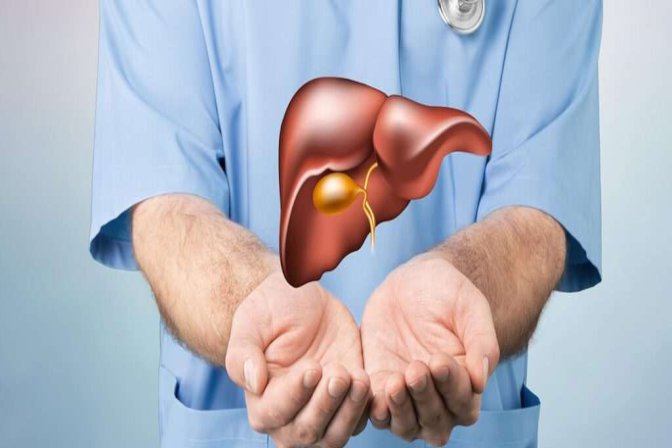
What is Liver Cancer?
Liver cancer, also known as liver malignancy, is a condition where abnormal cells begin to grow uncontrollably in the liver. The liver is one of the most vital organs in the body — it filters blood, produces bile for digestion, and helps detoxify harmful substances. When cancer develops in this organ, it can interfere with these essential functions.
The medical terms liver neoplasm or neoplasm of liver refer to any abnormal growth in the liver. While not all neoplasms are cancerous, malignant ones are serious and require prompt medical attention.
Liver tumor meaning — A liver tumour is a mass or lump on liver tissue that forms due to abnormal cell growth. It can be benign (non-cancerous) or malignant (cancerous).
Types of Liver Cancer:
There are several types of liver cancer. Understanding which type you have is important for planning the right treatment.
- Hepatocellular Carcinoma (HCC) — The most common type, originating from the main liver cells (hepatocytes). Also called cancer liver disease in its advanced form.
- Liver Adenocarcinoma (Cholangiocarcinoma) — Also called bile duct cancer, this type starts in the cells lining the bile ducts inside or outside the liver. Liver adenocarcinoma is less common but aggressive.
- Secondary (Metastatic) Liver Cancer — This refers to cancer spread to the liver from another organ, such as the colon, breast, or lungs. It is not primary liver cancer but is treated similarly.
- Hepatoblastoma — A rare liver cancer that mainly occurs in children.
Liver Cancer Symptoms:
Recognising the liver symptoms cancer patients commonly experience can help with early detection. In many cases, symptoms do not appear until the cancer has progressed.
Common signs of a liver tumour include:
- Unexplained weight loss
- Loss of appetite and feeling full quickly
- Pain or discomfort in the upper right abdomen
- Swelling or bloating in the abdomen
- Yellowing of the skin and eyes (jaundice)
- Fatigue and general weakness
- Nausea and vomiting
- Dark urine or pale stools
- Fever without a known infection
Liver cancer symptoms in females may also include hormonal changes, unusual bloating, and persistent fatigue, which are sometimes mistaken for other conditions. Women should not ignore these signs and seek evaluation from a Liver Cancer Doctor in Pune promptly.
Important: The signs of a liver tumour can mimic other common conditions. Never self-diagnose. Always consult a qualified specialist for a proper evaluation.
Liver Cancer Causes:
Understanding liver cancer causes can help in prevention and early intervention. The following are the most commonly identified causes:
- Chronic Hepatitis B or C infection — Long-term viral hepatitis is the leading cause of liver cancer worldwide.
- Liver cirrhosis — Scarring of the liver from alcohol abuse, fatty liver disease, or hepatitis.
- Non-Alcoholic Fatty Liver Disease (NAFLD) — Increasingly common in India due to lifestyle changes.
- Excessive alcohol consumption — Regular heavy drinking damages liver cells over time.
- Aflatoxin exposure — A toxin produced by mould found in poorly stored grains and peanuts.
- Metabolic disorders — Conditions like diabetes and obesity increase risk.
- Inherited conditions — Such as haemochromatosis (excess iron storage) or Wilson’s disease.
Risk Factors of Liver Cancer:
Certain groups of people are at higher risk of developing liver cancer. Knowing your risk helps in screening and early detection.
Key risk factors include:
- Age above 50 years
- Male gender (men are more commonly affected)
- Chronic hepatitis B or C infection
- Alcohol-related liver disease or cirrhosis
- Type 2 diabetes
- Obesity or metabolic syndrome
- Family history of liver cancer
- Exposure to industrial chemicals or aflatoxins
- Use of anabolic steroids over long periods
If you fall into any of the above categories, regular screening is strongly recommended.
Liver Cancer Diagnosis and Screening at Sai Vedant Multi-Speciality Hospital, Pune:
Early diagnosis of liver cancer significantly improves treatment outcomes. At Sai Vedant Multi-Speciality Hospital, the diagnostic process is thorough, accurate, and patient-friendly.
Step-by-step diagnostic process:
- Medical History & Physical Examination — The doctor reviews your symptoms, lifestyle, and risk factors.
- Blood Tests — Including liver function tests and AFP (Alpha-Fetoprotein) tumour marker test.
- Ultrasound — First-line imaging to detect a lump on liver or abnormal masses.
- CT Scan / MRI — Detailed imaging to assess the size, location, and extent of the liver tumour.
- Liver Biopsy — A small sample of liver tissue is taken to confirm whether the growth is malignant.
- PET Scan — Used to detect if the cancer spread to liver from other organs or if liver cancer has spread elsewhere.
Regular screening with ultrasound and AFP testing every 6 months is recommended for high-risk patients.
Stages of Liver Cancer:
Understanding the stage of your cancer helps your doctor decide the best treatment plan.
- Stage 1 — A single tumour confined to the liver, no spread to lymph nodes or other organs. Most treatable stage.
- Stage 2 — Either a single tumour that has grown into blood vessels, or multiple small tumours (all under 5 cm).
- Stage 3 — Larger tumours, multiple nodules, or tumour has grown into major blood vessels of the liver.
- Stage 4 / Liver 4th Stage Cancer — Cancer has spread to nearby lymph nodes or to distant organs. Liver 4th stage cancer is the most advanced stage and requires a combination of treatments to manage symptoms and slow progression.
Even in Stage 4, palliative and targeted treatments can significantly improve quality of life.
Liver Cancer Treatment Options in Pune:
Treatment for liver cancer depends on the stage, the patient’s overall health, and the extent of the tumour. At Sai Vedant Multi Speciality Hospital, patients have access to a comprehensive range of treatment options.
Available treatments include:
- Surgery (Liver Resection) — Surgical removal of the tumour along with a margin of healthy tissue. This is the most effective treatment when the cancer is localised.
- Liver Transplant — In selected patients, replacing the diseased liver with a healthy donor liver offers the best long-term outcome.
- Ablation Therapy (RFA/MWA) — Uses heat (radiofrequency or microwave) to destroy small tumours without surgery.
- Transarterial Chemoembolisation (TACE) — Delivers chemotherapy directly into the artery feeding the tumour, cutting off its blood supply.
- Targeted Therapy — Medicines like Sorafenib or Lenvatinib that target specific molecular pathways in cancer cells.
- Immunotherapy — Helps the body’s immune system fight cancer cells.
- Stereotactic Body Radiotherapy (SBRT) — High-dose, focused radiation for tumours not suitable for surgery.
- Chemotherapy — Sometimes used in combination with other treatments for advanced-stage cancer.
Advanced Liver Cancer Surgery in Pune by Dr. Lalit Banswal:
When surgery is the best option, Dr. Lalit Banswal offers the most advanced surgical techniques available in India today.
1. Robotic Surgery: Robotic Surgery is a cutting-edge approach to Liver Cancer surgery in Pune. Using a robotic surgical system, the surgeon operates with extreme precision through small keyhole incisions.
Benefits include:
- Greater surgical accuracy
- Less blood loss during the operation
- Faster recovery and shorter hospital stay
- Reduced risk of infection and complications
- Minimal scarring
2. Laparoscopic Surgery for Liver Cancer: As a leading Robotic Surgery Laparoscopic Surgery Specialist, Dr. Lalit Banswal also performs Laparoscopic (minimally invasive) liver resections. A camera and thin instruments are inserted through small cuts, allowing the surgeon to remove the tumour without a large open incision.
3. Open Liver Resection: For larger or more complex tumours, open surgery may be the most appropriate approach. Dr. Lalit Banswal is highly skilled in complex open liver surgeries and HPB (hepato-pancreato-biliary) procedures.
As a dedicated GI Cancer HPB Surgeon, Dr. Lalit Banswal handles all aspects of liver, bile duct, pancreatic, and gastrointestinal cancer surgery.
Why Choose Dr. Lalit Banswal – Liver Cancer Specialist in Pune?
Choosing the right Liver Cancer Specialist in Pune is one of the most critical decisions a patient and family can make.
Here is why Dr. Lalit Banswal stands out:
- 20+ Years of Specialised Experience in GI Cancer, HPB, and Liver Surgery
- Expert in Robotic Surgery and Laparoscopic Surgery for liver cancer
- Trained in the latest minimally invasive surgical techniques
- Associated with Sai Vedant Multi Speciality Hospital, Pune — a fully equipped cancer care centre
- Personalised treatment plans for every patient
- Highly regarded as one of the Best Cancer Specialists in Pune and the best oncologist in Pune
- Compassionate approach with patient-first philosophy
- Transparent communication about diagnosis, treatment, and costs
- High success rate in complex liver surgeries
Patients across Maharashtra and beyond travel to Pune specifically to consult this trusted Liver Cancer Doctor in Pune.
Recovery After Liver Cancer Surgery in Pune:
Recovery depends on the type of surgery, the patient’s overall health, and the stage of cancer. Here is a general guide:
For Laparoscopic / Robotic Surgery:
- Hospital stay: 3–5 days
- Return to light activity: 2–3 weeks
- Full recovery: 4–6 weeks
For Open Liver Resection:
- Hospital stay: 5–10 days
- Return to light activity: 4–6 weeks
- Full recovery: 6–8 weeks
Post-Surgery Care Tips:
- Follow a liver-friendly, nutritious diet
- Avoid alcohol completely
- Take prescribed medications as directed
- Attend all follow-up appointments
- Report any fever, unusual pain, or jaundice immediately
- Regular imaging (CT/MRI) every 3–6 months to monitor for recurrence
The surgical team at Sai Vedant Multi-Speciality Hospital provides complete post-operative support to ensure a smooth and safe recovery.
Cost of Liver Cancer Treatment in Pune:
The cost of liver cancer treatment in Pune varies based on several factors:
Approximate cost range:
- Liver resection surgery: ₹2,00,000 – ₹8,00,000 (depending on complexity)
- Ablation therapies: ₹50,000 – ₹2,00,000
- Medical management (targeted therapy): Ongoing monthly cost
Compared to metros like Mumbai or Delhi, Liver Cancer Treatment in Pune is significantly more affordable without any compromise on quality or technology.
📞 For an accurate cost estimate, book a consultation at Sai Vedant Multi-Speciality Hospital.
Most major health insurance policies and government health schemes cover liver cancer treatment. The hospital team can assist you with insurance-related queries.
Liver Cancer Prevention Tips:
While not all liver cancers are preventable, following these steps can significantly reduce your risk:
- Get vaccinated against Hepatitis B — The vaccine is safe, effective, and widely available in India.
- Avoid excessive alcohol — Limit or eliminate alcohol consumption.
- Maintain a healthy weight — Obesity increases liver cancer risk. Exercise regularly and follow a balanced diet.
- Control diabetes — Manage blood sugar levels through diet, exercise, and medication.
- Get tested for Hepatitis B and C — Early detection and treatment of hepatitis can prevent cirrhosis and cancer.
- Avoid exposure to aflatoxins — Store food properly and avoid consuming mouldy grains or peanuts.
- Go for regular screenings — If you have risk factors, a liver ultrasound every 6 months is recommended.
- Avoid sharing needles — This reduces the risk of Hepatitis C infection.
Prevention is always better than a cure. Talk to a cancer specialist in Pune today if you have any risk factors.
Book Consultation with Dr. Lalit Banswal:
Do not delay if you or a loved one is experiencing symptoms or has been diagnosed with a liver condition. Early consultation can lead to early detection, more treatment options, and better outcomes.
What to expect at your first consultation:
- Thorough review of your medical history and existing reports
- Physical examination and preliminary assessment
- Recommendation for required tests or imaging
- Clear explanation of diagnosis and treatment options
- Honest discussion of prognosis and expected outcomes
Our team speaks Marathi, Hindi, and English, ensuring you always understand your care plan completely.
Book your appointment today. Early action saves lives.
FAQs About Liver Cancer Surgeon in Pune:
The survival rate for liver cancer after surgery depends on the stage at the time of treatment. For Stage 1 liver cancer, the 5-year survival rate after successful surgical resection can be as high as 50–70%. For patients who undergo a liver transplant, survival rates are even higher — around 60–80% at 5 years in well-selected candidates. Survival rates decrease with advanced stages, but even in later stages, treatment significantly extends life and improves quality. Early diagnosis is the single biggest factor that improves survival outcomes.
Yes, Stage 1 liver cancer is highly treatable and potentially curable, especially when the tumour is small, localised, and the patient has good liver function. At this stage, surgical removal of the tumour (liver resection) or a liver transplant can offer excellent long-term results. Ablation therapy (RFA) is another effective option for eligible patients. The key is early detection, which is why regular screening is strongly recommended for high-risk individuals. If caught at Stage 1, many patients go on to live cancer-free for years.
Sai Vedant Multi Speciality Hospital in Pune is one of the most trusted centres for liver cancer treatment in Maharashtra. The hospital is equipped with advanced diagnostic imaging, state-of-the-art operating theatres for Robotic and Laparoscopic surgery, and a dedicated oncology team. Under the leadership of Dr. Lalit Banswal, patients receive a personalised, evidence-based treatment plan combining surgical expertise with compassionate care. The hospital offers end-to-end liver cancer care — from diagnosis and surgery to post-operative follow-up and rehabilitation.
The latest advances in liver cancer treatment include several exciting options:
- Robotic-assisted liver resection — Highly precise surgery with minimal blood loss and faster recovery
- Immunotherapy combinations — Drugs like Atezolizumab + Bevacizumab have shown strong results in advanced HCC
- Transarterial Radioembolisation (TARE / Y-90) — A targeted radiation therapy delivered through the artery
- ALPPS procedure — A two-stage surgery that allows the removal of larger tumours by encouraging liver regrowth
- Personalised targeted therapy — Based on tumour molecular profiling
These treatments are available at leading centres in Pune, making it an ideal city for patients seeking modern, high-quality liver cancer care.
Stage 4 liver cancer (also called liver 4th stage cancer) is the most advanced stage, where the cancer has spread beyond the liver to nearby lymph nodes or to distant organs such as the lungs or bones. At this stage, a complete surgical cure is usually not possible. However, treatment goals shift to slowing disease progression, managing symptoms, and improving quality of life. Options include targeted therapy (Sorafenib, Lenvatinib), immunotherapy, palliative TACE, radiation, and supportive care. Many patients with Stage 4 liver cancer live active, meaningful lives for months to years with the right treatment and support.
Liver cancer symptoms in females are largely similar to those in males but may sometimes be overlooked or attributed to other conditions. Common symptoms include:
- Persistent upper right abdominal pain or discomfort
- Unexplained weight loss and loss of appetite
- Jaundice — yellowing of the skin and whites of the eyes
- Swelling or bloating in the stomach (due to fluid build-up or tumour)
- Extreme fatigue and weakness
- Nausea, vomiting, and changes in digestion
- Dark-coloured urine and pale stools
- Hormonal changes or irregular cycles in pre-menopausal women (rare but reported)
Women are sometimes diagnosed later because symptoms like fatigue or bloating are attributed to hormonal issues or other conditions. If any of these symptoms persist for more than 2–3 weeks, it is important to consult a Liver Cancer Doctor in Pune for a proper evaluation and screening.