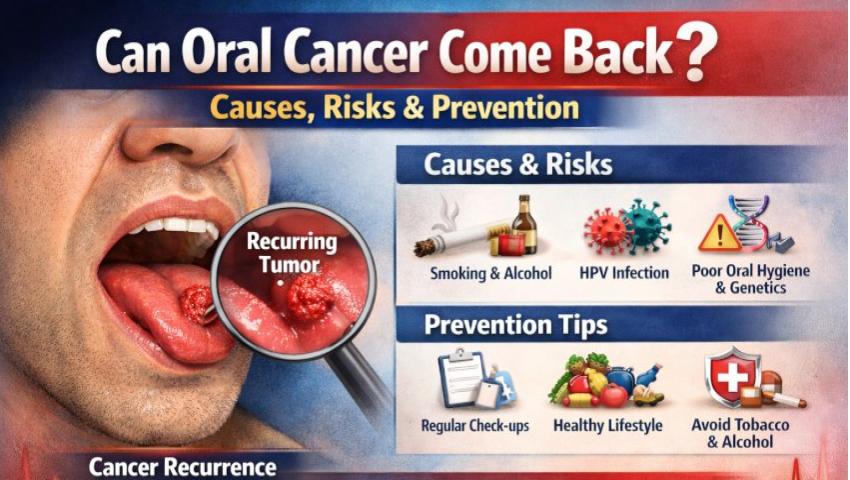
Yes, oral cancer can come back after treatment. This is called recurrence, and it is more common than many people think. Even after successful treatment, cancer cells can remain in the body and grow again. That is why regular follow-up and a healthy lifestyle are so important after treatment ends.
With 15 years of experience, Dr. Lalit Banswal is a Top Cancer Surgeon and expert oncosurgeon at Sai Vedant Multi-Speciality Hospital, Pune. He has helped hundreds of patients not just fight oral cancer but also understand how to prevent it from coming back. If you or someone you love has been diagnosed with oral cancer, this guide will help you understand everything clearly.
What Is Oral Cancer Recurrence?
Oral cancer recurrence means that cancer returns after it has been treated and declared gone. This can happen in the same place (local recurrence), in nearby lymph nodes (regional recurrence), or in a different part of the body (distant recurrence).
Cancers of the oral cavity — including the tongue, gums, inner cheeks, lips, and the roof of the mouth — are among the most likely to recur if not monitored carefully. A cancerous growth in the mouth that was removed once can return if even a small number of cancer cells were left behind after treatment.
Can Oral Cancer Come Back After Treatment?
Yes, oral cancer can come back, and studies show that recurrence happens in 30 to 50% of cases, especially within the first two years after treatment. The risk depends on the stage of cancer at diagnosis, the type of treatment received, and lifestyle habits after treatment.
Patients who had cancer first stage mouth cancer diagnosis have a lower chance of recurrence compared to those diagnosed at advanced stages. However, no patient is completely free from risk. This is why oral oncology experts always recommend regular check-ups even after successful treatment.
Causes of Oral Cancer Recurrence:
Understanding why oral cancer comes back helps patients and families take the right steps. Common causes include:
- Remaining cancer cells – Even after surgery or radiation, a few cancer cells may survive and grow into a new tumour over time.
- Spread through lymph nodes – A mouth cancer nodule or lump inside the mouth may have already spread to nearby lymph nodes before treatment.
- Continued tobacco and alcohol use – These are the biggest triggers for both new and returning oral cancer.
- HPV infection – Human Papillomavirus is a growing cause of oral cavity cancers, especially in the throat area.
- Incomplete surgical margins – If the edges of the removed tissue still contain cancer cells, recurrence is more likely.
- Genetic factors – Some people are more prone to cancer coming back due to their body’s genetic makeup.
Risk Factors for Recurrence:
Certain habits and conditions make it more likely for oral cancer to return. These oral cavity cancer risk factors include:
- Continued smoking or chewing tobacco after treatment
- Regular alcohol consumption
- Poor nutrition and a weak immune system
- Skipping follow-up appointments
- History of jaw cancer, lip cancer, or cancer on the roof of the mouth
- Previous advanced-stage cancer diagnosis
- Exposure to HPV
- A lump in the cheek or mouth area that is not checked on time
Patients who quit tobacco and alcohol after treatment significantly reduce their chances of recurrence. Lifestyle changes are as important as medical treatment in this journey.
Early Signs That Oral Cancer May Return:
Catching a recurrence early makes treatment far more effective. Watch out for these warning signs:
- A mouth lump or lump in cheek that was not there before
- Cancer white spots on lips or inside the mouth
- A sore in the mouth that does not heal within 2 weeks
- Pain or difficulty while swallowing or speaking
- Unexplained bleeding in the mouth
- Numbness in the tongue, lip, or other parts of the mouth
- Swollen lymph nodes in the neck
- A new lump inside mouth or change in the earlier treated area
If you notice any of these signs, do not wait. Visit your oncologist immediately. Early detection of a cancerous growth in mouth gives the best chance of successful treatment.
How to Prevent Oral Cancer Recurrence?
Prevention is always better than a cure. Here are simple but important steps to reduce your risk:
- Stop tobacco completely – Whether smoked or chewed, tobacco is the number one cause of oral cancer recurrence.
- Avoid alcohol – Alcohol irritates the cells of the mouth and can trigger new or returning cancer.
- Eat a healthy diet – Include fruits, vegetables, and foods rich in antioxidants to boost immunity.
- Maintain good oral hygiene – Brush twice daily, floss, and visit your dentist regularly.
- Stay physically active – Regular exercise helps keep your immune system strong.
- Get vaccinated for HPV – This is especially recommended for younger patients.
- Protect your lips from the sun – Use lip balm with SPF to prevent lip cancer from UV rays.
- Do not skip follow-up appointments – This is one of the most powerful ways to catch any issue early.
Importance of Regular Follow-Up After Treatment:
After oral cancer treatment, regular monitoring is not optional — it is essential. For the oral cancer cure to be long-lasting, your doctor needs to monitor your recovery closely.
Follow-up schedule generally looks like this:
- Every 1 to 3 months in the first year after treatment
- Every 3 to 6 months during years 2 and 3
- Every 6 to 12 months from year 4 onwards
During these visits, your doctor will check for any new mouth lump, changes in tissues, or signs of a cancerous growth in mouth. Imaging tests like CT scans or PET scans may also be done to check internal areas.
Missing even one follow-up can delay the detection of a returning cancer. Patients at the best cancer hospital in Pune, under expert care are guided through every step of their post-treatment journey.
Treatment Options If Oral Cancer Returns:
If oral cancer does come back, do not lose hope. Several effective treatments are available depending on where the cancer has returned and its size:
- Surgery – Removing the recurrent tumour, sometimes with robotic assistance for precision. A robotic cancer doctor uses advanced technology to make surgery safer and more accurate.
- Radiation Therapy – Targeted radiation to kill returning cancer cells.
- Chemotherapy – Medicines given to destroy cancer cells throughout the body.
- Targeted Therapy – Drugs that specifically target cancer cells without harming normal cells.
- Immunotherapy – Helps the body’s immune system fight cancer more effectively.
- Combination Therapy – Many patients benefit from a mix of surgery, radiation, and chemotherapy together.
The right oral cancer treatment plan depends on your individual case. A Top Cancer Surgeon will assess your condition completely before recommending the best approach.
Why Choose Dr. Lalit Banswal for Oral Cancer Treatment in Pune?
When it comes to cancer treatment oral cases in Pune, Dr. Lalit Banswal at Sai Vedant Multi Speciality Hospital stands out as one of the most trusted names. As an expert oncosurgeon with 15 years of experience, he brings together surgical expertise, compassion, and advanced technology for complete patient care.
Here is why patients trust him:
Whether you have been recently diagnosed with oral cancer or are worried about recurrence, consulting an experienced specialist makes all the difference in your outcome.
Conclusion:
Oral cancer can come back, but with the right knowledge, timely follow-ups, and healthy lifestyle choices, you can greatly reduce that risk. Whether it is a new mouth lump, cancer white spots on lips, or a lump in cheek that worries you — never ignore the signs. Early action saves lives.
From prevention to treatment and long-term monitoring, working with a specialist who understands cancers of the oral cavity deeply is your best defence. Trust in proven expertise, stay consistent with your follow-ups, and take charge of your health every single day.
FAQs:
Mouth cancer can be permanently cured, especially when caught early. Treatment typically involves surgery to remove the tumour, followed by radiation or chemotherapy. For an oral cancer cure to last long-term, it is equally important to stop tobacco and alcohol use, maintain follow-up visits, and follow a healthy diet. Patients with cancer first-stage mouth diagnosis have the highest chances of a permanent cure. Working closely with an expert in oral oncology and following all post-treatment guidelines gives you the best shot at staying cancer-free for life.
The chances of oral cancer returning depend on several factors such as the stage at diagnosis, the type of treatment, and lifestyle habits after treatment. On average, recurrence rates range from 30% to 50%, with most cases returning within the first two years. Patients who continue tobacco and alcohol use after treatment face a much higher risk. Those who follow healthy habits, attend all follow-up appointments, and get regular screenings significantly lower their risk. If you notice any mouth lump, lump inside mouth, or unusual changes in your mouth, report them to your doctor immediately.