Successful Thyroid Surgery with Positive Outcome:
Thyroid disorders can significantly affect a person’s energy, metabolism, and overall well-being. When medical management is no longer sufficient, surgery often becomes the most effective path toward a permanent cure. This case study details the successful surgical journey of a patient who sought specialized thyroid treatment in Pune to resolve a long-standing thyroid condition.
Patient Background:
The patient, a resident of Pune, had been struggling with a visible swelling in the neck area for several months. Despite trying various medications, the symptoms persisted, affecting their confidence and physical comfort. Seeking a definitive solution, the patient approached a Top General Surgeon In Pune known for expertise in endocrine and neck surgeries.
Symptoms and Diagnosis:
The patient’s journey toward recovery began when they noticed specific warning signs:
- A prominent lump in the lower front part of the neck.
- Occasional difficulty in breathing while lying down.
- Persistent fatigue and fluctuations in weight.
- A mild “pressure” sensation when swallowing food.
To confirm the diagnosis, a series of tests, including a Thyroid Function Test (TFT), an Ultrasound of the neck, and a Fine Needle Aspiration Cytology (FNAC), were performed. The results indicated a multi-nodular goiter that required surgical removal to prevent further compression of the windpipe.
Decision for Thyroid Surgery:
After reviewing the diagnostic reports, the clinical team recommended a Total Thyroidectomy. The goal was to remove the enlarged gland entirely, ensuring that the patient would no longer face the risk of the lump growing larger or turning cancerous. Trusting the reputation of a specialized Thyroid Surgeon, the family decided to proceed with the operation.
Surgical Procedure by Dr. Lalit Banswal:
The surgery was performed with high precision to ensure the safety of the delicate structures located in the neck. Dr. Lalit Banswal utilized advanced surgical techniques to minimize complications and ensure a smooth recovery.
Key Steps of the Surgery:
- Aesthetic Incision: Lalit Banswal made a small, horizontal “collar” incision within a natural skin crease in the neck. This technique ensures that the resulting scar is minimal and fades significantly over time.
- Muscle Sparing Approach: The surgeon carefully separated the thin neck muscles rather than cutting them, which reduces post-operative pain and speeds up the healing process.
- Nerve Identification: One of the most critical parts of thyroid surgery is protecting the Recurrent Laryngeal Nerve (which controls the voice). The surgeon used meticulous dissection to isolate and preserve these nerves on both sides.
- Parathyroid Gland Preservation: The tiny parathyroid glands, which regulate the body’s calcium levels, were identified and carefully detached from the thyroid gland to maintain their blood supply.
- Complete Gland Removal: The entire thyroid was removed safely, ensuring no diseased tissue was left behind.
- Internal Suturing: The skin was closed using subcuticular dissolvable stitches, meaning there was no need for the patient to return for painful “thread removal.”
Post-Surgery Recovery:
The patient’s recovery in the hospital was excellent. Within 24 hours, they were able to speak clearly and consume a soft diet. The surgical team monitored calcium levels closely to ensure a stable metabolism. By the second day, the patient was mobile and ready for discharge.
Patient Condition After Surgery:
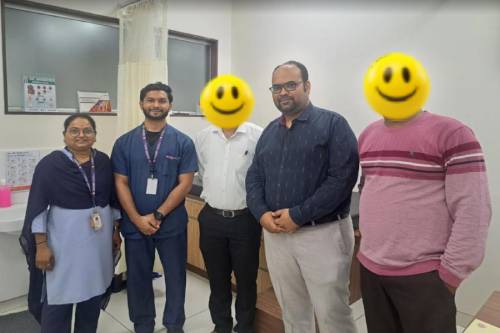
Today, the patient is doing remarkably well. The “heavy” feeling in the neck has completely disappeared, and breathing is easy and effortless. With a simple daily hormone supplement, the patient has regained their energy levels and is back to a full, active lifestyle. The family expresses their heartfelt gratitude for the successful outcome and the professional care received.
Conclusion:
A thyroid operation requires a high level of skill to protect the voice and calcium balance. Through the expertise provided by a leading Thyroid Surgeon, this patient achieved a complication-free recovery. If you or a loved one has been diagnosed with a thyroid condition and are looking for expert surgical care, book an appointment with Dr. Lalit Banswal — one of the Best Thyroid Specialists in Pune — at Sai Vedant Multi-Speciality Hospital, Undri. Call +91 9158050180 today to schedule your consultation and take the first step towards a safe and successful recovery.