If you or a loved one has been diagnosed with a thyroid condition that requires surgery, you likely have many questions. Finding the right thyroid surgery specialist in Pune is the first step toward a healthy recovery. A thyroidectomy is a common but precise surgical procedure used to treat various thyroid disorders.
If you are looking for an expert thyroidectomy surgeon in Pune, Dr. Lalit Banswal at Sai Vedant Multi Speciality Hospital, Undri, Pune, is a highly trusted name. With over 15+ years of experience, Dr. Banswal is a leading thyroidectomy specialist in Pune, known for performing complex surgeries with high success rates and personalized patient care.
On This Page...
- What exactly thyroidectomy means and its different types.
- The step-by-step thyroidectomy procedure.
- Managing thyroidectomy recovery, including diet and medicine.
- Understanding thyroidectomy cost in India.
- Life after surgery: Addressing concerns like weight loss and hair loss.
What Is Thyroidectomy (Thyroid Surgery)?
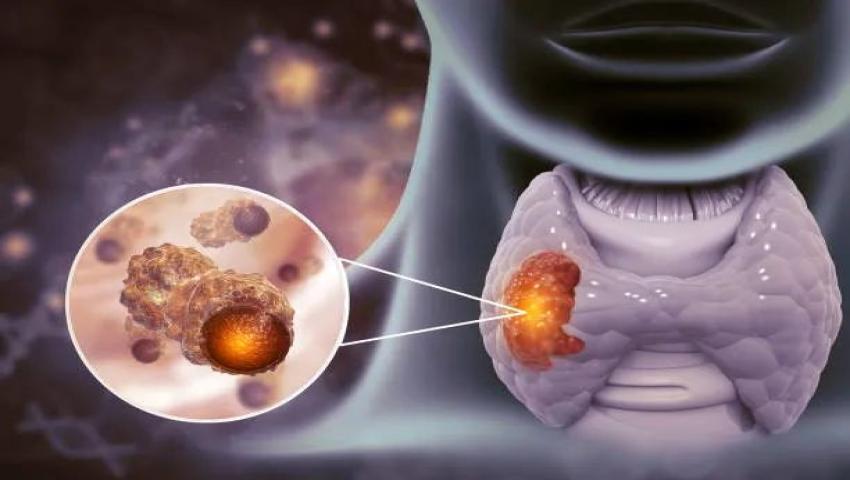
Simply put, thyroidectomy means the surgical removal of all or part of the thyroid gland. The thyroid is a butterfly-shaped gland located at the base of your neck that produces hormones regulating your metabolism, heart rate, and temperature.
A total thyroidectomy means the entire gland is removed, whereas a partial thyroidectomy involves removing only a section. This surgery is often compared to a parathyroidectomy, which is the removal of the parathyroid glands (four tiny glands located behind the thyroid that control calcium levels).
When Is Thyroidectomy Needed?
Doctors usually recommend this thyroidectomy operation for several reasons:
- Thyroid Cancer: The most common reason for a total removal.
- Goiter (Enlarged Thyroid): When the gland grows large enough to cause difficulty in breathing or swallowing.
- Hyperthyroidism: When the gland is overactive and doesn’t respond to thyroidectomy medicine or radioactive iodine.
- Suspicious Nodules: When a biopsy cannot rule out cancer.
- Thyroidectomy for hypothyroidism: Though rare, surgery may be needed if a large goiter causes symptoms, even if the gland is underactive.
Types of Thyroidectomy Surgery:
- Total Thyroidectomy: Removal of the entire gland. Patients will need lifelong thyroidectomy drugs (hormone replacement).
- Hemithyroidectomy: Only one lobe (half) of the thyroid is removed.
- Isthmusectomy: Removal of the small bridge of tissue connecting the two lobes.
Thyroidectomy Procedure: Step-by-Step
Understanding the thyroidectomy steps can help ease your anxiety before the big day.
- Anesthesia: The thyroidectomy and anesthesia process involves general anesthesia, meaning you will be asleep and feel no pain.
- Incision: The surgeon makes a small cut in the skin crease of your neck to minimize visible scarring.
- Anatomy Identification: The surgeon carefully identifies the thyroidectomy anatomy, ensuring the vocal cord nerves and parathyroid glands are protected.
- Removal: Depending on the condition, part or all of the gland is removed.
- Closing: The incision is closed with sutures or surgical glue.
Thyroidectomy Complications and Risks:
Like any major surgery, there are potential thyroidectomy complications:
- Temporary or permanent hoarseness of voice (nerve damage).
- Low calcium levels (if parathyroid glands are affected).
- Bleeding or infection at the incision site.
- Thyroidectomy effects include fatigue or temporary neck stiffness.
Thyroidectomy Medicine and Recovery:
Post-surgery, your body will no longer produce thyroid hormones naturally if the whole gland was removed. You will be prescribed thyroidectomy medicine (Levothyroxine) to replace these hormones. It is crucial to take these thyroidectomy drugs exactly as prescribed to maintain your metabolism.
Thyroidectomy Diet Plan After Surgery:
A proper diet for thyroidectomy patients is essential for fast healing.
- Immediate Post-Op: Stick to soft foods like yogurt, mashed potatoes, and soups as swallowing might be sore.
- Long-Term Diet Plan: A balanced diet plan for thyroidectomy patient focuses on high-protein foods and fiber.
- Hydration: Drink plenty of water to aid the healing process.
Thyroidectomy Cost in India:
The thyroidectomy surgery cost in India varies depending on the city, the hospital, and the type of surgery. Generally, the thyroidectomy cost ranges from ₹50,000 to ₹1,50,000. In Pune, Dr. Lalit Banswal offers affordable and transparent pricing for patients seeking high-quality surgical care.
Life After Thyroidectomy:
Many patients worry about thyroidectomy before and after changes.
- Thyroidectomy Weight Loss/Gain: Since your metabolism is now controlled by medicine, some patients experience fluctuations. Working with a thyroid specialist near me in Pune helps in balancing your dosage to manage weight.
- Thyroidectomy Hair Loss: Temporary thinning of hair can occur due to hormonal shifts, but usually resolves once hormone levels stabilize.
- Thyroidectomy and Pregnancy: It is perfectly possible to have a healthy pregnancy after surgery, provided your hormone levels are closely monitored by your thyroidectomy doctor in Pune.
Choosing the Right Thyroid Surgeon in Pune:
When searching for a thyroidectomy near me, experience matters. Dr. Lalit Banswal is a renowned Thyroid surgeon in Pune with a track record of successful surgeries. At Sai Vedant Multi-Speciality Hospital, Undri, Pune patients receive world-class treatment using the latest surgical techniques.
Conclusion:
A thyroidectomy is a life-changing procedure that can resolve chronic health issues. By following a proper thyroidectomy diet plan and regular check-ups with your doctor, you can lead a completely normal life.
If you are looking for a Thyroid specialist near me in Pune, consult with Dr. Lalit Banswal, the best Thyroid surgery specialist in Pune, to discuss your treatment options.
Frequently Asked Questions (FAQs):
The thyroid is a butterfly-shaped gland located at the front of your neck, just below the Adam’s apple and wrapped around the windpipe.
Thyroidectomy means the surgical removal of all or part of your thyroid gland to treat issues like cancer, goiters, or nodules.
The thyroid is an organ, not a disease; surgery removes the organ, but you will need lifelong medication to replace the hormones it used to produce.
No, a thyroidectomy does not directly cause diabetes, though both involve the endocrine system and require metabolic monitoring by your doctor.
It is a very safe and routine procedure when performed by an experienced thyroidectomy surgeon in Pune like Dr. Lalit Banswal.
