
Have you ever wondered how advanced abdominal cancers can be treated with better control and fewer side effects? Modern cancer care now includes a special technique called Hyperthermic Intraperitoneal Chemotherapy (HIPEC) surgery, which is changing outcomes for many patients.
HIPEC is a surgical treatment, and the results depend largely on the skills of the surgeon. Dr. Lalit Banswal, one of the best HIPEC surgeon in Pune, is known for performing complex abdominal cancer surgeries with high success. With years of experience, he offers safe and effective options for patients looking for advanced treatment.
In This Blog, You Will Learn...
- What HIPEC surgery means?
- How the procedure works inside the abdomen?
- Cancers that are treated with HIPEC
- Key benefits of this technique
- Recovery, risks, and outcomes
- Why Dr. Lalit Banswal is trusted for the Best HIPEC Surgery in Pune?
What Is HIPEC Surgery?
HIPEC surgery meaning refers to Hyperthermic Intraperitoneal Chemotherapy, a highly specialized procedure used to treat cancers that have spread to the lining of the abdominal cavity. Many people also search for the HIPEC medical abbreviation to better understand this term.
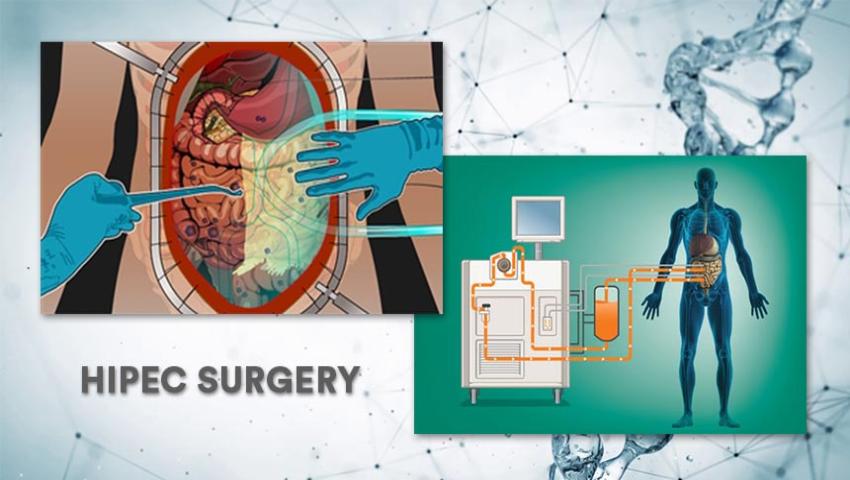
The procedure is a special cancer treatment done immediately after abdominal tumor removal surgery. Instead of giving chemotherapy through the veins, warm chemotherapy is circulated directly inside the abdomen. This delivers high-dose abdominal chemotherapy to the area where microscopic cancer cells may remain. It is considered one of the best treatment for cancer surgery when cancer has spread within the abdomen.
Because this is a complex two-step process—involving the removal of all visible tumors followed by the internal chemotherapy wash—the HIPEC surgery duration typically ranges from 6 to 12 hours, depending on the extent of the disease.
How HIPEC Surgery Works?
-
Cytoreductive Surgery (CRS) – Tumour Removal:
- The patient is given general anaesthesia.
- A large cut is made to remove all visible tumours from the abdomen.
- The goal is to leave only microscopic cancer cells behind.
-
HIPEC Treatment – Heated Chemotherapy:
- Warm chemotherapy (41–43°C) is circulated inside the abdomen for 60–90 minutes.
- The heated medicine kills remaining cancer cells more effectively.
- Chemotherapy stays inside the abdomen, reducing side effects on the rest of the body.
-
Cleaning and Closure:
- The chemotherapy solution is drained out.
- The abdomen is washed with saline.
- The incision is safely closed.
Cancers Treated With HIPEC:
HIPEC is used for cancers that spread inside the peritoneal cavity. These include:
-
Appendix Cancer:
HIPEC is one of the most effective treatments for appendix cancer because it targets cancer cells that spread across the abdomen. It helps reduce recurrence and improves long-term outcomes.
-
Ovarian Cancer:
In advanced ovarian cancer, HIPEC surgery ovarian cancer helps destroy leftover microscopic cells after tumor removal. It offers better control in cases where cancer has spread to the peritoneum. By delivering heated chemotherapy directly into the abdominal cavity, HIPEC surgery ovarian cancer targets hidden cancer cells more effectively than traditional systemic chemotherapy alone.
-
Stomach Cancer:
HIPEC is useful when stomach cancer spreads to the abdominal lining. It helps manage peritoneal deposits and improves the effect of surgery.
-
Colon Cancer:
For colon cancer with peritoneal involvement, HIPEC helps reduce the chance of regrowth. It delivers strong local chemotherapy where it is needed most.
-
Peritoneal Metastasis:
HIPEC is widely used for peritoneal metastasis from different cancers. It helps remove visible tumours and kills remaining cancer cells through heated chemotherapy.
-
Some Rare Abdominal Cancers:
HIPEC is also helpful for rare tumours like pseudomyxoma peritonei and mesothelioma. It offers better disease control when combined with cytoreductive surgery.
Patients who need an advanced abdomen operation often benefit from this combined treatment.
5 Benefits of HIPEC Surgery:
HIPEC offers several strong advantages:
- Targets cancer directly at the tumour site
- Higher effectiveness than standard chemotherapy for some abdominal cancers
- Fewer side effects, as the drug stays inside the abdomen
- Better survival in selected patients
- Lower chance of recurrence after surgery
This is why many people prefer the Best HIPEC Surgery in Pune to improve long-term outcomes.
Recovery After HIPEC Surgery:
Recovery after HIPEC surgery takes time because it is a major abdomen operation. Healing depends on how much tumour was removed and the patient’s overall health.
Immediately After Surgery (Hospital Stay):
Patients stay in the ICU for 2–3 days for close monitoring, pain control, and infection prevention.
Food starts slowly—first IV/feeding support, then liquids, and later soft food once digestion improves.
At-Home Recovery (Week 1 to 6):
Light walking is encouraged, but heavy lifting and strenuous activity must be avoided.
A soft, high-protein diet helps healing. Spicy and oily foods should be limited. Tiredness, nausea, or mild digestive issues are common. Regular follow-ups are important.
After 6 Weeks:
Most patients return to light activities in 4–6 weeks, but full recovery may take longer.
Energy gradually returns, and digestive problems slowly settle.
Key Points:
- HIPEC is a long and major surgery; recovery takes patience.
- It controls cancer inside the abdomen but doesn’t completely remove recurrence risk.
- Every patient’s healing speed is different—follow your surgeon’s advice closely.
Risks and Limitations:
Like any major surgery, HIPEC also has risks:
- Infection
- Temporary digestive issues
- Fatigue
- Low blood counts
- Longer recovery time
However, with skilled experts like Dr. Lalit Banswal, complications are reduced and outcomes improve.
Conclusion:
HIPEC surgery is a powerful option for advanced abdominal cancers. The combination of tumour removal and heated chemotherapy improves survival and offers better control in select cancers like appendix cancer, stomach cancer, and ovarian cancer.
When performed by an expert like Dr. Lalit Banswal, patients receive safe, effective, and personalized care. If you or your loved one needs advanced abdominal cancer treatment, HIPEC may be the right solution.
FAQs about HIPEC Surgery:
The success rate depends on the type of cancer and how much tumour can be removed. In many cases, HIPEC improves survival and reduces recurrence when done by experienced surgeons.
Patients do not feel pain during the procedure as it is done under full anaesthesia. After surgery, pain is managed with medicines, and discomfort reduces gradually.
I am text block. Click edit button to change this text. Lorem ipsum dolor sit amet, consectetur adipiscing elit. Ut elit tellus, luctus nec ullamcorper mattis, pulvinar dapibus leo.
