What is Thyroidectomy (Thyroid Surgery) & Recovery? A Complete Guide

If you or a loved one has been diagnosed with a thyroid condition that requires surgery, you likely have many questions. Finding the right thyroid surgery specialist in Pune is the first step toward a healthy recovery. A thyroidectomy is a common but precise surgical procedure used to treat various thyroid disorders.

If you are looking for an expert thyroidectomy surgeon in Pune, Dr. Lalit Banswal at Sai Vedant Multi Speciality Hospital, Undri, Pune, is a highly trusted name. With over 15+ years of experience, Dr. Banswal is a leading thyroidectomy specialist in Pune, known for performing complex surgeries with high success rates and personalized patient care.

On This Page...
  1. What exactly thyroidectomy means and its different types.
  2. The step-by-step thyroidectomy procedure.
  3. Managing thyroidectomy recovery, including diet and medicine.
  4. Understanding thyroidectomy cost in India.
  5. Life after surgery: Addressing concerns like weight loss and hair loss.

What Is Thyroidectomy (Thyroid Surgery)?

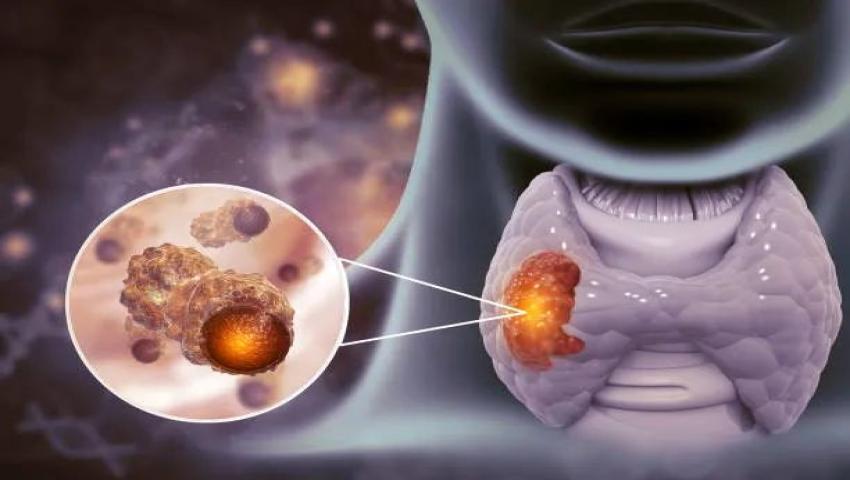
Simply put, thyroidectomy means the surgical removal of all or part of the thyroid gland. The thyroid is a butterfly-shaped gland located at the base of your neck that produces hormones regulating your metabolism, heart rate, and temperature.

A total thyroidectomy means the entire gland is removed, whereas a partial thyroidectomy involves removing only a section. This surgery is often compared to a parathyroidectomy, which is the removal of the parathyroid glands (four tiny glands located behind the thyroid that control calcium levels).

When Is Thyroidectomy Needed?

Doctors usually recommend this thyroidectomy operation for several reasons:

  • Thyroid Cancer: The most common reason for a total removal.
  • Goiter (Enlarged Thyroid): When the gland grows large enough to cause difficulty in breathing or swallowing.
  • Hyperthyroidism: When the gland is overactive and doesn’t respond to thyroidectomy medicine or radioactive iodine.
  • Suspicious Nodules: When a biopsy cannot rule out cancer.
  • Thyroidectomy for hypothyroidism: Though rare, surgery may be needed if a large goiter causes symptoms, even if the gland is underactive.

Types of Thyroidectomy Surgery:

  • Total Thyroidectomy: Removal of the entire gland. Patients will need lifelong thyroidectomy drugs (hormone replacement).
  • Hemithyroidectomy: Only one lobe (half) of the thyroid is removed.
  • Isthmusectomy: Removal of the small bridge of tissue connecting the two lobes.

Thyroidectomy Procedure: Step-by-Step

Understanding the thyroidectomy steps can help ease your anxiety before the big day.

  • Anesthesia: The thyroidectomy and anesthesia process involves general anesthesia, meaning you will be asleep and feel no pain.
  • Incision: The surgeon makes a small cut in the skin crease of your neck to minimize visible scarring.
  • Anatomy Identification: The surgeon carefully identifies the thyroidectomy anatomy, ensuring the vocal cord nerves and parathyroid glands are protected.
  • Removal: Depending on the condition, part or all of the gland is removed.
  • Closing: The incision is closed with sutures or surgical glue.

Thyroidectomy Complications and Risks:

Like any major surgery, there are potential thyroidectomy complications:

  • Temporary or permanent hoarseness of voice (nerve damage).
  • Low calcium levels (if parathyroid glands are affected).
  • Bleeding or infection at the incision site.
  • Thyroidectomy effects include fatigue or temporary neck stiffness.

Thyroidectomy Medicine and Recovery:

Post-surgery, your body will no longer produce thyroid hormones naturally if the whole gland was removed. You will be prescribed thyroidectomy medicine (Levothyroxine) to replace these hormones. It is crucial to take these thyroidectomy drugs exactly as prescribed to maintain your metabolism.

Thyroidectomy Diet Plan After Surgery:

A proper diet for thyroidectomy patients is essential for fast healing.

  • Immediate Post-Op: Stick to soft foods like yogurt, mashed potatoes, and soups as swallowing might be sore.
  • Long-Term Diet Plan: A balanced diet plan for thyroidectomy patient focuses on high-protein foods and fiber.
  • Hydration: Drink plenty of water to aid the healing process.

Thyroidectomy Cost in India:

The thyroidectomy surgery cost in India varies depending on the city, the hospital, and the type of surgery. Generally, the thyroidectomy cost ranges from ₹50,000 to ₹1,50,000. In Pune, Dr. Lalit Banswal offers affordable and transparent pricing for patients seeking high-quality surgical care.

Life After Thyroidectomy:

Many patients worry about thyroidectomy before and after changes.

  • Thyroidectomy Weight Loss/Gain: Since your metabolism is now controlled by medicine, some patients experience fluctuations. Working with a thyroid specialist near me in Pune helps in balancing your dosage to manage weight.
  • Thyroidectomy Hair Loss: Temporary thinning of hair can occur due to hormonal shifts, but usually resolves once hormone levels stabilize.
  • Thyroidectomy and Pregnancy: It is perfectly possible to have a healthy pregnancy after surgery, provided your hormone levels are closely monitored by your thyroidectomy doctor in Pune.

Choosing the Right Thyroid Surgeon in Pune:

When searching for a thyroidectomy near me, experience matters. Dr. Lalit Banswal is a renowned Thyroid surgeon in Pune with a track record of successful surgeries. At Sai Vedant Multi-Speciality Hospital, Undri, Pune patients receive world-class treatment using the latest surgical techniques.

Conclusion:

A thyroidectomy is a life-changing procedure that can resolve chronic health issues. By following a proper thyroidectomy diet plan and regular check-ups with your doctor, you can lead a completely normal life.

If you are looking for a Thyroid specialist near me in Pune, consult with Dr. Lalit Banswal, the best Thyroid surgery specialist in Pune, to discuss your treatment options.

Frequently Asked Questions (FAQs):

The thyroid is a butterfly-shaped gland located at the front of your neck, just below the Adam’s apple and wrapped around the windpipe.

Thyroidectomy means the surgical removal of all or part of your thyroid gland to treat issues like cancer, goiters, or nodules.

The thyroid is an organ, not a disease; surgery removes the organ, but you will need lifelong medication to replace the hormones it used to produce.

No, a thyroidectomy does not directly cause diabetes, though both involve the endocrine system and require metabolic monitoring by your doctor.

It is a very safe and routine procedure when performed by an experienced thyroidectomy surgeon in Pune like Dr. Lalit Banswal.


What Is a Colectomy? A Complete Guide to Partial Colectomy for Colon Cancer

When a patient is diagnosed with colon or rectal cancer, one of the most common terms they will hear from their medical team is “Colectomy.” While the word might sound complex, it is actually a life-saving procedure that has helped thousands of people beat cancer and return to a healthy life.

If you are looking for the most advanced Colon cancer treatment in Pune, it is vital to consult an expert. Dr. Lalit Banswal is a highly distinguished Oncosurgeon in Pune and a specialized Colon Cancer Surgeon in Pune with over 15 years of experience. At Sai Vedant Multi Speciality Hospital, he uses precision-based surgical techniques to treat colorectal conditions, ensuring that patients receive world-class care right here in Maharashtra.

In This Blog You Will Learn...
  1. The true colectomy meaning and why it is necessary.
  2. The difference between various types of colon surgery.
  3. How a GI Cancer Surgeon In Pune, like Dr. Lalit Banswal, plans your recovery.
  4. Detailed steps of a hemicolectomy operation.
  5. Tips for recovery after an intestine operation.

Colectomy Meaning:

Simply put, colectomy meaning refers to the surgical removal of all or part of the colon (the large intestine). The colon is a long, tube-like organ at the end of your digestive tract.

When a surgeon performs colectomy surgery, the goal is to remove the diseased portion of the organ. This is often called a colon resection or large bowel resection. If only a portion is removed, it is called a partial colectomy, and if the entire colon is removed, it is a total colectomy.

Why Is Colectomy Done for Colon Cancer?

A colon cancer surgery is performed to physically remove the tumor and prevent the cancer from spreading to other parts of the body. Since the colon is a large organ, removing the affected segment along with nearby lymph nodes is the most effective way to ensure a permanent cure.

As a leading Colorectal cancer surgeon in Pune, Dr. Lalit Banswal recommends this procedure for:

  • Malignant tumors (Cancer).
  • Severe Diverticulitis.
  • Inflammatory Bowel Disease (IBD), such as Ulcerative Colitis.
  • Bowel obstructions that cannot be cleared otherwise.

What is a Partial Colectomy (Colectomy Surgery)?

A partial colectomy involves removing only the cancerous segment of the colon. This is also known as a bowel resection. The bowel resection meaning is simple: the surgeon cuts out the “bad” part of the intestine and then joins the two healthy ends back together. This joining process is called an anastomosis.

In some cases, if the small intestine needs to be joined to the colon, it is called an ileocolostomy surgery.

6 Types of Colectomy Surgery:

Depending on where the cancer is located, Dr. Lalit Banswal will perform a specific type of resection:

  1. Right Hemicolectomy: Removal of the right side of the colon.
  2. Left Hemicolectomy: Removal of the left side. A left hemicolectomy is common when tumors are found in the descending colon.
  3. Sigmoid Colectomy: Removal of the lower part of the colon (sigmoid colon) just above the rectum.
  4. Subtotal Colectomy: Removal of most of the colon, but leaving the rectum.
  5. Proctocolectomy: The proctocolectomy meaning involves the removal of both the colon and the rectum.
  6. Enterectomy: This is a resection of small intestine or small bowel resection if the cancer has affected those areas.

How Dr. Lalit Banswal Decides the Type of Colectomy?

Choosing the right hemicolectomy surgery requires a deep understanding of the patient’s anatomy. As a seasoned GI Cancer Surgeon In Pune, Dr. Lalit Banswal uses high-resolution CT scans, Colonoscopies, and PET scans to map the tumor.

He evaluates:

  • The exact location of the tumor.
  • Whether it is a rectum operation or a large bowel resection.
  • The patient’s overall health and ability to undergo lap colectomy (minimally invasive surgery).

How Partial Colectomy Surgery Is Performed?

At Sai Vedant Multi-Speciality Hospital, Dr. Lalit Banswal prioritizes minimally invasive techniques whenever possible.

  • Incision: In a lap colectomy, several tiny incisions are made instead of one large one.
  • Resection: The surgeon performs the intestinal resection by removing the tumor and a margin of healthy tissue.
  • Connection: The healthy ends of the colon are reattached.
  • Stoma (Optional): In rare cases of a complex rectum operation, a temporary stoma (opening in the belly) might be created to let the bowel rest.

Benefits of Partial Colectomy for Colon Cancer:

  • High Success Rate: It is the “gold standard” for curing localized colon cancer.
  • Organ Preservation: Unlike a total colon removal, a partial resection allows you to keep most of your digestive function.
  • Fast Recovery: With lap colectomy, patients experience less pain and shorter hospital stays.

Risks and Possible Complications:

Like any surgery on the intestines, there are risks involved. These include:

  • Anastomotic Leak: Where the new connection doesn’t heal perfectly.
  • Infection: Common to any intestine operation.
  • Blood Clots: Prevented by early movement after surgery.
  • Adhesions: Scar tissue that can form after an intestinal resection.

Recovery After Partial Colectomy:

Recovery from colon cancer surgery is a gradual process:

  • Hospital Stay: Usually 3 to 7 days.
  • Diet: You will start with liquids and slowly move to soft foods.
  • Activity: Walking is encouraged within 24 hours to prevent complications.
  • Follow-up: Regular visits with your Oncosurgeon in Pune are essential to monitor your healing.

Why Choose Dr. Lalit Banswal for Partial Colectomy in Pune?

When it comes to your health, you deserve the best cancer specialist.

  • Experience: Over 15 years in complex GI and colorectal surgeries.
  • Technological Edge: Expert in lap colectomy and robotic-assisted intestine operation.
  • Personalised Care: Every patient at Sai Vedant Multi Speciality Hospital receives a custom recovery plan.
  • Comprehensive Care: He is not just a surgeon but a dedicated partner in your fight against cancer.

Conclusion:

A colectomy is a major step, but with the right surgeon, it is the most effective way to reclaim your life from colon cancer. Understanding the hemicolectomy meaning and the benefits of bowel resection can help reduce your anxiety and prepare you for a successful journey.

Fix Your Appointment with Dr. Lalit Banswal today to discuss your treatment options.

FAQs About Partial Colectomy for Colon Cancer:

For individuals at average risk, a screening colonoscopy is generally recommended every 10 years starting at age 45. However, if you have a family history of colon cancer, a personal history of polyps, or inflammatory bowel disease, Dr. Lalit Banswal may recommend a check-up every 1 to 5 years to ensure early detection.

Yes, absolutely. Most patients return to their regular diet and daily activities within a few months. While your bowel habits may change slightly at first, the body eventually adapts. Dr. Lalit Banswal focuses on “organ-preserving” techniques at Sai Vedant Multi Speciality Hospital to ensure that patients maintain the best possible quality of life post-surgery.

In the vast majority of partial colectomy cases, a permanent stoma is not required. A temporary stoma is sometimes created to allow the bowel to heal safely after a complex rectum operation, but it is usually reversed in a few months. Dr. Lalit Banswal is an expert in “sphincter-saving” surgeries, aiming to avoid permanent bags whenever possible.

Laparoscopic or robotic-assisted surgery is generally preferred because it involves tiny incisions rather than one large cut. For patients at Sai Vedant Multi Speciality Hospital, this results in significantly less post-operative pain, a lower risk of infection, minimal scarring, and a much faster return to home and work compared to traditional open surgery.

Neck Dissection Surgery in Head and Neck Cancer Operation: A Complete Guide

Facing a diagnosis of head or neck cancer is overwhelming for any family. In India, where oral and throat cancers are highly prevalent, understanding the surgical path is the first step toward recovery. When a tumor is removed, the doctor often performs a neck operation to check if the cancer has spread to the lymph nodes.

Dr. Lalit Banswal, a renowned cancer specialist in Pune with over 15 years of experience, specializes in advanced Neck Cancer Surgery in Pune. Operating at the state-of-the-art Sai Vedant Multi-Speciality Hospital, he ensures that every cancer operation is precise, focusing on both curing the disease and preserving the patient’s appearance and function.

Let’s understand:

  • What MRND surgery and radical neck dissection actually mean.
  • Why a lymphadenectomy (removal of lymph nodes) is vital for your cure.
  • The different MRND types and levels of the neck involved.
  • How a top Oncosurgeon in Pune like Dr. Lalit Banswal plans the procedure.
  • What to expect during recovery and how to choose the right surgeon.

What Is Radical Neck Dissection Surgery (MRND Surgery)?

The MRND full form in medical is Modified Radical Neck Dissection. It is a major neck operation performed to remove lymph nodes that may contain cancer cells.

  • Radical Neck Dissection: This is the traditional approach where all lymph node groups from neck level I to V are removed along with three important structures: the muscle (SCM), the vein (IJV), and the nerve (SAN).
  • Modified Radical Neck Dissection (MRND): In modern oncology, we prefer this “functional” approach. The goal is to remove all the cancer-carrying nodes but “spare” or save the vital nerves and muscles to maintain shoulder movement and facial symmetry.

Why Neck Dissection Is Needed in Head and Neck Cancer?

Cancer cells often travel from the primary site (like the tongue or throat) through the lymphatic system. These lymph nodes dissection procedures are necessary because:

  • Staging: It tells the doctor exactly how far the cancer has spread.
  • Prevention: It removes “microscopic” cancer that imaging (CT/MRI) might miss.
  • Local Control: It reduces the chance of the cancer returning in the neck area.

Types of Neck Dissection Surgery:

Depending on the spread, a Pune cancer specialist will choose one of the following:

How Dr. Lalit Banswal Decides the Type of Neck Dissection?

As a leading Oncosurgeon in Pune, Dr. Lalit Banswal uses a “Tailored Approach.” The decision is based on:

  • The Primary Site: Tongue cancer usually goes to neck level I, II, and III, while laryngeal cancer might go to levels II, III, and IV.
  • Imaging Results: High-resolution scans show which nodes are “suspicious.”
  • Clinical Examination: Feeling the neck for hard, fixed lumps.

The Neck Dissection Surgical Procedure Explained?

A neck cancer surgery in Pune at Sai Vedant Multi-Speciality Hospital follows a meticulous process:

  • Incision: The surgeon makes a specific incision for neck dissection. Common types include the Schobinger incision or the modified Schobinger incision (often called a “hockey stick” shape) to allow the best access.
  • Flap Elevation: The skin and platysma muscle are lifted to expose the surgical neck structures.
  • Dissection: The surgeon carefully removes the fatty tissue containing the lymph nodes while preserving the carotid artery and vital nerves.
  • Closure: Drains are placed to prevent fluid buildup, and the neck dissection incisions are closed with fine sutures for minimal scarring.

Risks and Possible Complications:

While generally safe in expert hands, potential risks include:

  • Shoulder Weakness: If the spinal accessory nerve is stretched or removed.
  • Numbness: Temporary or permanent loss of sensation around the ear/neck.
  • Chyle Leak: Leakage of lymphatic fluid (rare).
  • Infection: Managed with high-grade antibiotics at Sai Vedant Multi-Speciality Hospital.

Recovery After Neck Dissection Surgery:

Recovery is a step-by-step journey:

  • Hospital Stay: Usually 3 to 5 days.
  • Drains: Removed once fluid output decreases.
  • Physiotherapy: Essential to keep the shoulder mobile and prevent stiffness.
  • Follow-up: Regular visits with your best oncologist Pune to monitor healing.

Why Choose Dr. Lalit Banswal for Head and Neck Cancer Surgery in Pune?

Choosing the right Pune cancer specialist makes all the difference in survival and quality of life.

  • Experience: 15+ years and 18,000+ surgeries.
  • Precision: Expert in complex lymphadenectomy and MRND surgery.
  • Advanced Facility: Sai Vedant Multi-Speciality Hospital offers the latest ICU and surgical technology.
  • Patient Focus: Known as the best oncologist Pune for his ethical and compassionate care.

Conclusion:

A radical neck dissection or MRND is a life-saving tool in the fight against head and neck cancer. With early detection and the expertise of Dr. Lalit Banswal, patients can achieve excellent long-term results.

If you or a loved one is seeking Neck Cancer Surgery in Pune, do not wait. Early intervention is the key to a cure.

Book an appointment with Dr. Lalit Banswal today at Sai Vedant Multi Speciality Hospital, Undri, Pune. Call +91 9158050180 for expert guidance.

FAQs About Neck Dissection Surgery in Head and Neck Cancer Operation:

A head and neck oncology surgeon is a specialized doctor who treats cancers of the mouth, throat, thyroid, and salivary glands through surgery. For expert care, Dr. Lalit Banswal is a leading head and neck oncosurgeon in Pune with over 15 years of experience in performing complex tumor removals.

Common symptoms include a mouth ulcer that doesn’t heal, persistent sore throat, difficulty swallowing, a lump in the neck, or a sudden change in voice. If you notice persistent hoarseness or unexplained weight loss, it is vital to consult a specialist immediately.

The surgery involves removing the cancerous tumor along with a margin of healthy tissue. Depending on the spread, the surgeon may also perform a “neck dissection” to remove lymph nodes to prevent the cancer from returning.

When surgery is performed to remove lymph nodes, it is called Neck Dissection (Radical, Modified Radical, or Selective). Other specific surgeries include Thyroidectomy (for thyroid), Glossectomy (for tongue), or Laryngectomy (for the voice box).

Yes, it is a major surgery because the neck contains vital nerves, blood vessels, and structures for breathing and speaking. However, with an experienced surgeon like Dr. Lalit Banswal, the risks are minimized using advanced “nerve-sparing” techniques to ensure a safe recovery.

The cost typically ranges from ₹2,50,000 to ₹6,50,000, depending on the complexity of the case, the stage of cancer, and the hospital facilities. At Sai Vedant Multi Speciality Hospital, patients receive affordable yet international-standard surgical care.

Dr. Lalit Banswal is widely regarded as one of the best neck cancer surgeons in Pune. He is known for his high success rates in MRND surgery and his expertise in minimally invasive techniques that lead to faster healing and less scarring.

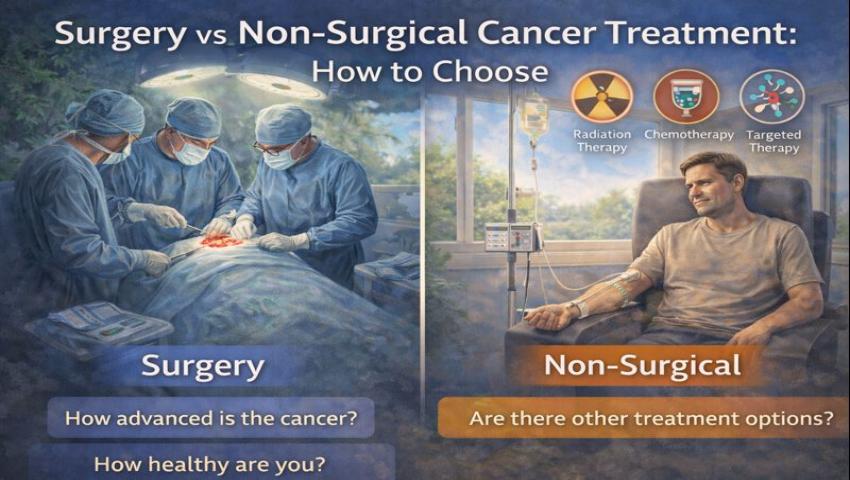
Surgery vs Non-Surgical Cancer Treatment: How to Choose?

Gemini said
Did you know that in 2026, some cancers that once required extensive, “open” surgery can now be managed with a single targeted pill or a precision robotic procedure? The world of oncology is changing so fast that the most common question patients ask is: “Is surgery really my only option, or can medicine alone cure it?”

Choosing between surgical and non-surgical treatment paths is not just a medical decision; it is a life-changing decision. Dr. Lalit Banswal, a leading Cancer Specialist and the Best oncosurgeon Pune has to offer, believes that every patient deserves a strategy as unique as their fingerprint. Whether you need a high-tech operation guided by an expert surgeon or advanced oncological treatment using the latest drugs, Dr. Lalit Banswal ensures the goal remains the same: a complete cure of cancer while maintaining your quality of life.

In this Blog You Will Learn...
  1. The difference between surgical management of cancer and medical therapies.
  2. Advanced tumors surgery types, including robotic and laparoscopic options.
  3. How modern treatment of cancer drugs, like immunotherapy of cancer, works.
  4. The truth about home remedies cancer and tumors and alternative medical treatments.
  5. How a Cancer Surgeon In Pune decides the best path for you.

What Is Surgical Cancer Treatment?

Surgical management of cancer involves a physical procedure where a surgeon removes the tumor and some surrounding healthy tissue (margin) from the body. It is often the most direct way to eliminate a localized cancer.

For many, a cancer surgical intervention is the primary step. As an expert GI Cancer Surgeon, Dr. Lalit Banswal uses surgery to not only remove the disease but also to “stage” it—understanding exactly how far the cancer has spread.

Types of Tumors Surgery:

  • Curative Surgery: Performed when the cancer is confined to one area.
  • Debulking Surgery: Removing as much of the tumor as possible to make other treatments more effective.
  • Laparoscopic & Robotic Surgery: Minimally invasive techniques that ensure faster recovery and less pain.
  • Palliative Surgery: Used to relieve pain or blockages in advanced stages, focusing on comfort.

What Is Non-Surgical Cancer Treatment?

Non-surgical treatment refers to therapies of cancer that use radiation, chemicals, or the body’s immune system to destroy cancer cells that surgery cannot reach.

Types of Therapies of Cancer:

  • Chemotherapy: You might wonder, can chemotherapy cure cancer? Yes, it is a powerful treatment of cancer drugs that travels through the bloodstream to kill fast-growing cells.
  • Radiation Therapy: High-energy rays target a specific spot to shrink tumors.
  • Immunotherapy to Cure Cancer: This is a breakthrough oncological treatment that trains your own immune system to recognize and attack “hidden” cancer cells.
  • Targeted Therapy: Using tumor medicine that attacks specific proteins or genes that help cancer grow.

New Treatments in Cancer:

Medical science is moving fast. New treatments in cancer in 2026 include:

  • Personalized Cancer Vaccines: mRNA technology tailored to your specific tumor.
  • Advanced Immunotherapy: New antibodies that “unmask” difficult tumors like pancreatic cancer.
  • Liquid Biopsies: Simple blood tests that track if the best medicine for cancer is working in real-time.

Can Cancer Be Cured Without Surgery?

Patients often ask how to cure breast cancer without surgery or if there is a cancer cure naturally.

While some blood cancers (like Leukaemia) are treated primarily with drugs, most solid tumors require a combination of both. It is important to be cautious:

  • Home Remedies Cancer and Tumors: While ginger or turmeric may help with nausea, they are not a cure of cancer.
  • Alternative Medicine Treatment: There is no scientific proof that alternative medical treatments alone can cure cancer. Using an alternative medicine for cancer cure instead of proven medical care can be very dangerous.
  • Integrative Approach: It is best to use “complementary” methods (like yoga or diet) alongside conventional treatment, not instead of it.

Oncological Treatment: How Dr. Lalit Banswal Choose?

A Cancer Specialist in Pune, like Dr. Lalit Banswal, considers several factors before recommending a path:

  • Cancer Type & Stage: Is it localized (surgery) or has it spread (systemic therapy)?
  • Tumor Location: Is the tumor near a vital organ or major blood vessel?
  • Patient Health: Can the patient tolerate a long surgery or the side effects of treatment of cancer drugs?
  • Molecular Profile: Does the tumor have specific mutations that respond to immunotherapy of cancer?

Conclusion:

The choice between surgery and non-surgical therapy isn’t usually “either/or”—it is often “both.” Many patients receive chemo to shrink a tumor before a GI Cancer Surgeon removes it, followed by more therapy to ensure a permanent cure.

For expert advice and a personalized treatment plan, consult Dr. Lalit Banswal. With over 15 years of experience, he is recognized as a top Cancer Specialist in Pune. He provides advanced care at Sai Vedant Multi Speciality Hospital, ensuring that every patient receives the highest standard of surgical and medical oncology.

What Is HIPEC Surgery?

Have you ever wondered how advanced abdominal cancers can be treated with better control and fewer side effects? Modern cancer care now includes a special technique called Hyperthermic Intraperitoneal Chemotherapy (HIPEC) surgery, which is changing outcomes for many patients.

HIPEC is a surgical treatment, and the results depend largely on the skills of the surgeon. Dr. Lalit Banswal, one of the best HIPEC surgeon in Pune, is known for performing complex abdominal cancer surgeries with high success. With years of experience, he offers safe and effective options for patients looking for advanced treatment.

In This Blog, You Will Learn...

  1. What HIPEC surgery means?
  2. How the procedure works inside the abdomen?
  3. Cancers that are treated with HIPEC
  4. Key benefits of this technique
  5. Recovery, risks, and outcomes
  6. Why Dr. Lalit Banswal is trusted for the Best HIPEC Surgery in Pune?

What Is HIPEC Surgery?

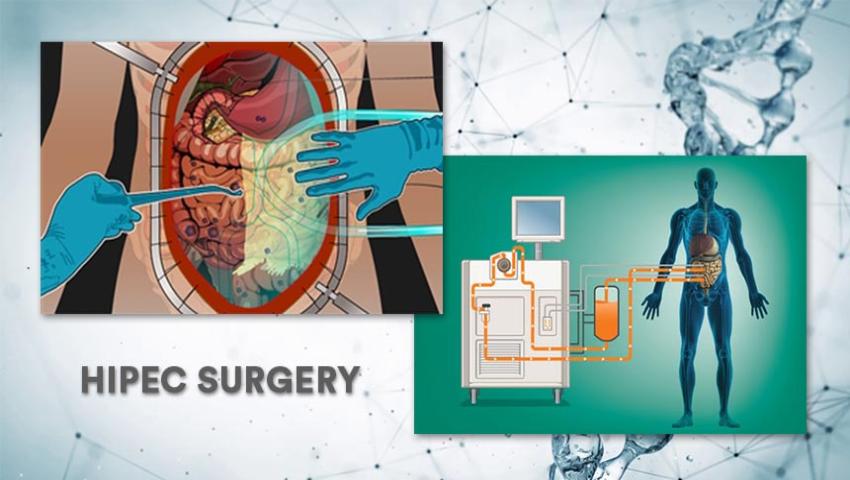
HIPEC surgery meaning refers to Hyperthermic Intraperitoneal Chemotherapy, a highly specialized procedure used to treat cancers that have spread to the lining of the abdominal cavity. Many people also search for the HIPEC medical abbreviation to better understand this term.

The procedure is a special cancer treatment done immediately after abdominal tumor removal surgery. Instead of giving chemotherapy through the veins, warm chemotherapy is circulated directly inside the abdomen. This delivers high-dose abdominal chemotherapy to the area where microscopic cancer cells may remain. It is considered one of the best treatment for cancer surgery when cancer has spread within the abdomen.

Because this is a complex two-step process—involving the removal of all visible tumors followed by the internal chemotherapy wash—the HIPEC surgery duration typically ranges from 6 to 12 hours, depending on the extent of the disease.

How HIPEC Surgery Works?

  1. Cytoreductive Surgery (CRS) – Tumour Removal:
    • The patient is given general anaesthesia.
    • A large cut is made to remove all visible tumours from the abdomen.
    • The goal is to leave only microscopic cancer cells behind.
  2. HIPEC Treatment – Heated Chemotherapy:
    • Warm chemotherapy (41–43°C) is circulated inside the abdomen for 60–90 minutes.
    • The heated medicine kills remaining cancer cells more effectively.
    • Chemotherapy stays inside the abdomen, reducing side effects on the rest of the body.
  3. Cleaning and Closure:
    • The chemotherapy solution is drained out.
    • The abdomen is washed with saline.
    • The incision is safely closed.

Cancers Treated With HIPEC:

HIPEC is used for cancers that spread inside the peritoneal cavity. These include:

  • Appendix Cancer:

    HIPEC is one of the most effective treatments for appendix cancer because it targets cancer cells that spread across the abdomen. It helps reduce recurrence and improves long-term outcomes.

  • Ovarian Cancer:

    In advanced ovarian cancer, HIPEC surgery ovarian cancer helps destroy leftover microscopic cells after tumor removal. It offers better control in cases where cancer has spread to the peritoneum. By delivering heated chemotherapy directly into the abdominal cavity, HIPEC surgery ovarian cancer targets hidden cancer cells more effectively than traditional systemic chemotherapy alone.

  • Stomach Cancer:

    HIPEC is useful when stomach cancer spreads to the abdominal lining. It helps manage peritoneal deposits and improves the effect of surgery.

  • Colon Cancer:

    For colon cancer with peritoneal involvement, HIPEC helps reduce the chance of regrowth. It delivers strong local chemotherapy where it is needed most.

  • Peritoneal Metastasis:

    HIPEC is widely used for peritoneal metastasis from different cancers. It helps remove visible tumours and kills remaining cancer cells through heated chemotherapy.

  • Some Rare Abdominal Cancers:

    HIPEC is also helpful for rare tumours like pseudomyxoma peritonei and mesothelioma. It offers better disease control when combined with cytoreductive surgery.

Patients who need an advanced abdomen operation often benefit from this combined treatment.

5 Benefits of HIPEC Surgery:

HIPEC offers several strong advantages:

  1. Targets cancer directly at the tumour site
  2. Higher effectiveness than standard chemotherapy for some abdominal cancers
  3. Fewer side effects, as the drug stays inside the abdomen
  4. Better survival in selected patients
  5. Lower chance of recurrence after surgery

This is why many people prefer the Best HIPEC Surgery in Pune to improve long-term outcomes.

Recovery After HIPEC Surgery:

Recovery after HIPEC surgery takes time because it is a major abdomen operation. Healing depends on how much tumour was removed and the patient’s overall health.

Immediately After Surgery (Hospital Stay):

Patients stay in the ICU for 2–3 days for close monitoring, pain control, and infection prevention.

Food starts slowly—first IV/feeding support, then liquids, and later soft food once digestion improves.

At-Home Recovery (Week 1 to 6):

Light walking is encouraged, but heavy lifting and strenuous activity must be avoided.

A soft, high-protein diet helps healing. Spicy and oily foods should be limited. Tiredness, nausea, or mild digestive issues are common. Regular follow-ups are important.

After 6 Weeks:

Most patients return to light activities in 4–6 weeks, but full recovery may take longer.

Energy gradually returns, and digestive problems slowly settle.

Key Points:
  • HIPEC is a long and major surgery; recovery takes patience.
  • It controls cancer inside the abdomen but doesn’t completely remove recurrence risk.
  • Every patient’s healing speed is different—follow your surgeon’s advice closely.

Risks and Limitations:

Like any major surgery, HIPEC also has risks:

  1. Infection
  2. Temporary digestive issues
  3. Fatigue
  4. Low blood counts
  5. Longer recovery time

However, with skilled experts like Dr. Lalit Banswal, complications are reduced and outcomes improve.

Conclusion:

HIPEC surgery is a powerful option for advanced abdominal cancers. The combination of tumour removal and heated chemotherapy improves survival and offers better control in select cancers like appendix cancer, stomach cancer, and ovarian cancer.

When performed by an expert like Dr. Lalit Banswal, patients receive safe, effective, and personalized care. If you or your loved one needs advanced abdominal cancer treatment, HIPEC may be the right solution.

FAQs about HIPEC Surgery:

The success rate depends on the type of cancer and how much tumour can be removed. In many cases, HIPEC improves survival and reduces recurrence when done by experienced surgeons.

Patients do not feel pain during the procedure as it is done under full anaesthesia. After surgery, pain is managed with medicines, and discomfort reduces gradually.

I am text block. Click edit button to change this text. Lorem ipsum dolor sit amet, consectetur adipiscing elit. Ut elit tellus, luctus nec ullamcorper mattis, pulvinar dapibus leo.

1 2 3 8