Author: Dr. Lalit Banswal

Dr. Lalit Banswal is an experienced cancer surgeon and the best surgical oncologist in Pune with surgical experience of more than 15 years. He is a panel consultant Surgical oncologist at almost all the Major corporate hospitals like Ruby Hall Clinic, Sahyadri, Noble, Jupiter, Chellaram, Inamdar, etc.

Lung Cancer Awareness Month: When Does Surgery Become Necessary?

Every year, Lung Cancer Awareness Month reminds us how important early detection and timely treatment can be. Lung cancer remains one of the leading causes of cancer deaths worldwide, yet many patients recover well when treated at the right time. One of the most effective treatments for early-stage lung cancer is surgery. But how do doctors decide when surgery becomes necessary? Let’s understand this in detail.

In This Blog, You’ll Learn:

  • When is surgery needed for lung cancer?
  • Different types of lung cancer surgery
  • What affects the decision for surgery?
  • Recovery and outcomes after lung cancer surgery

What Is Lung Cancer and Surgery’s Role?

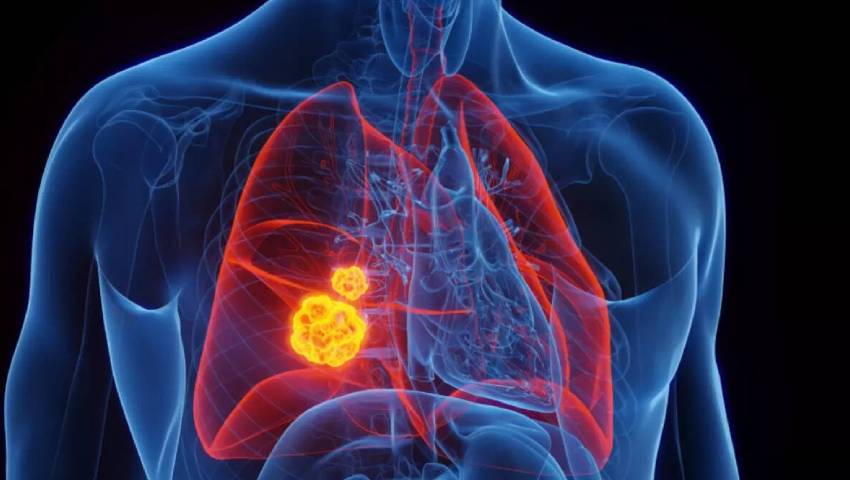
Lung cancer occurs when abnormal cells grow uncontrollably in the lungs. It can affect one or both lungs and is broadly divided into Non-Small Cell Lung Cancer (NSCLC) and Small Cell Lung Cancer (SCLC).

Surgery plays a key role, especially for early-stage lung cancer. In such cases, removing the tumor through surgery can offer the best chance for long-term survival. At this stage, cancer is still confined to the lungs and has not spread to distant organs.

Dr. Lalit Banswal, the best lung cancer surgeon in Pune, provides advanced surgical care using minimally invasive and robotic techniques to ensure faster recovery and better outcomes.

When Does Surgery Become Necessary for Lung Cancer?

Surgery becomes a key treatment option when the cancer is still at an early and controllable stage. It offers the best chance to completely remove the tumor and prevent its spread.

  • Early-stage non-small cell lung cancer (NSCLC): Surgery is the main treatment when the cancer is confined to one part of the lung. Removing the affected section can often lead to long-term survival or cure.
  • Very early small cell lung cancer (SCLC): Though rare, surgery may be advised for highly localized cases, followed by chemotherapy or radiation to prevent recurrence.
  • Recurrent lung cancer: If cancer returns after previous treatments and remains confined, surgery can help remove the new growth and improve outcomes.
  • Suspicious lung nodules: Sometimes, a lung nodule that looks abnormal on scans may be surgically removed to confirm if it’s cancerous. This approach allows doctors to diagnose and treat the issue at the same time.

In short, surgery for lung cancer is recommended when removing the tumor completely can provide the best chance for recovery and a cancer-free life.

Factors That Influence the Decision for Surgery:

Several factors help doctors decide the right time for surgery for lung cancer in Pune, including:

  • Type of cancer (NSCLC or SCLC)
  • Tumor size and location within the lungs
  • Spread to lymph nodes or nearby organs.
  • Patient’s age and overall health
  • Lung function tests to ensure the remaining lung can support breathing post-surgery

Dr. Lalit Banswal, a trusted lung cancer doctor in Pune, carefully evaluates each case to recommend the safest and most effective approach for his patients.

Types of Lung Cancer Surgery:

There are several types of lung cancer surgery depending on how much of the lung needs removal:

  • Wedge Resection or Segmentectomy – Removes a small portion of the lung containing the tumor.
  • Lobectomy – Removes one lobe of the lung; it is the most common surgery for early-stage lung cancer surgery options.
  • Pneumonectomy – Removes an entire lung when the cancer is extensive but still operable.
  • Video-Assisted Thoracoscopic Surgery (VATS) – A minimally invasive technique with smaller cuts and quicker healing.
  • Robotic Lung Surgery – Offers precision, reduced pain, and faster recovery, now available in pune.

Risks and Recovery When Surgery is Done?

Common Risks of Lung Surgery:

  • Infection or bleeding: Like any major surgery, there’s a small chance of infection or internal bleeding.
  • Breathing difficulties: Temporary shortness of breath may occur as the lungs heal.
  • Pain or discomfort: Some chest pain or stiffness is normal after surgery, but it improves with proper medication.
  • Air leakage: In a few cases, air may leak from the lung into the chest cavity, which is usually managed with drainage tubes.

Recovery After Surgery:

  • Hospital stay: Most patients stay in the hospital for a few days for monitoring and pain management.
  • Return to normal activities: Generally, recovery takes about 4–6 weeks, depending on the type of surgery and the patient’s health.
  • Rehabilitation support: Breathing exercises and physiotherapy play an important role in improving lung strength and function.
  • Follow-up care: Regular check-ups ensure proper healing and help detect any recurrence early.

Dr. Lalit Banswal and his team provide expert post-surgical care for lung cancer treatment in Pune, ensuring patients recover safely and comfortably.

When Surgery Might Not Be the Best Choice?

Surgery may not be suitable if:

  • Cancer has spread widely (metastatic stage).
  • The patient’s lung capacity or heart function is poor.
  • There are multiple tumors that can’t be safely removed.

In such cases, chemotherapy, radiation therapy, or targeted therapy may be better options. A multidisciplinary approach helps personalize treatment for every patient.

Conclusion:

During Lung Cancer Awareness Month, it’s crucial to remember that early detection can save lives. Surgery remains one of the most effective treatments when done at the right stage.

If you’re looking for expert guidance or lung cancer surgery in Pune, consult Dr. Lalit Banswal, the best lung cancer surgeon in Pune. His team offers advanced, compassionate, and precise care — ensuring the best cancer treatment in Pune for every patient.
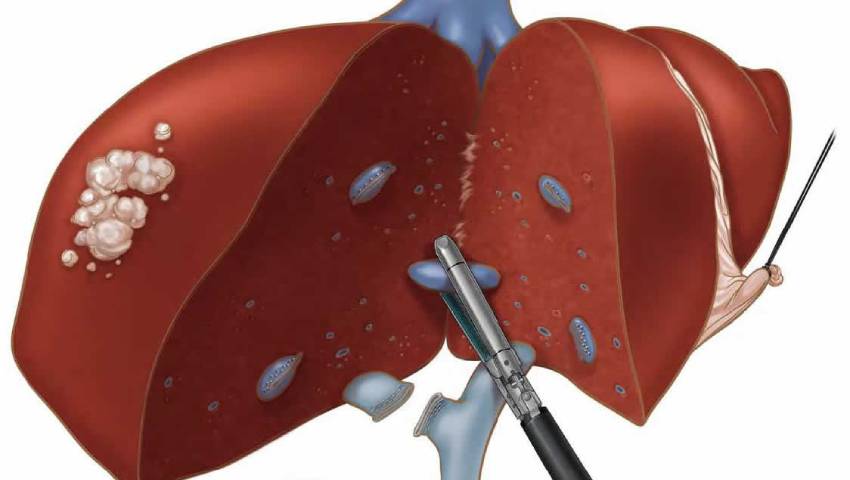

Partial Hepatectomy: Removing the Cancerous Part of the Liver

Have you or a loved one been diagnosed with liver cancer and advised to undergo surgery? Are you wondering what it means when doctors say “a part of the liver needs to be removed”?

This procedure, known as partial hepatectomy, is one of the most effective liver cancer treatment options that removes only the cancerous section while keeping the healthy liver intact.

For many patients, it offers a chance for long-term recovery and a healthy life. Let’s understand how this surgery works and why it is performed by top experts like Dr. Lalit Banswal, one of the best liver cancer surgeon in Pune.

Here’s What You’ll Learn in This Blog:

  • What is partial hepatectomy, and when it needed
  • How the surgery is planned and performed
  • What are the risks and recovery expectations?
  • Who is the right candidate for liver resection surgery

What Is a Partial Hepatectomy?

A partial hepatectomy is a liver resection surgery for cancer in which only the diseased or cancerous part of the liver is removed, while the remaining healthy portion continues to function normally.

Unlike a full liver transplant, it preserves your natural liver. The human liver has a unique ability to regenerate itself after surgery, which helps in faster recovery.

It’s often preferred in early-stage or localized liver cancers where the tumor hasn’t spread.

When Is the Surgery Recommended?

Doctors may suggest surgery for liver cancer in Pune when:

  • The cancer is limited to one part of the liver
  • The patient’s overall liver function is strong.
  • The tumor can be safely removed with clear margins.
  • There is no significant liver cirrhosis or spread to other organs.

This surgery is also useful for removing non-cancerous liver tumors or cysts that cause symptoms.

Planning the Procedure and Pre-Surgery Evaluation:

Before performing a partial hepatectomy, the medical team conducts a detailed evaluation to ensure the surgery is both safe and effective. This step is crucial because liver surgery requires careful planning of both the patient’s health and the remaining liver function.

Dr. Lalit Banswal, a trusted liver specialist in Pune Hadapsar, follows a multidisciplinary and patient-focused approach that includes four key aspects:

1. Patient Health and Risk Assessment:

Every patient’s overall health is assessed to determine if they can safely undergo major liver surgery and anesthesia.

  • General health evaluation: The surgical team checks heart and lung function to confirm that the body can handle surgery.
  • Existing medical conditions: Chronic liver diseases, such as cirrhosis or fatty liver (steatosis) can increase surgical risks. Conditions like diabetes, older age, or previous chemotherapy are also considered.
  • Nutritional status: Patients with poor nutrition, especially those with liver disease, are supported with pre-surgery nutrition plans to improve recovery chances.
  • Performance status: Doctors evaluate how active and independent the patient is in daily life, which helps predict post-surgery recovery speed and tolerance.
2. Tumor Assessment and Surgical Planning:

Next, the tumor and surrounding liver structures are thoroughly mapped using advanced imaging techniques.

  • High-resolution imaging: Triphasic CT scans or MRI are used to identify the tumor’s exact size, location, and its proximity to blood vessels and bile ducts.
  • Team-based planning: A multidisciplinary tumor board, including surgeons, radiologists, and oncologists, reviews the images to decide whether an open, laparoscopic, or robotic approach is best.
  • Cancer spread check: The team ensures that the tumor can be fully removed and there’s no cancer spread to other organs before proceeding with surgery.
3. Liver Function and Volume Assessment:

The liver’s ability to regenerate and function after surgery is one of the most critical aspects of planning.

  • Liver reserve evaluation: Tests like Child-Pugh and MELD scores assess liver health through bilirubin, albumin, and coagulation factors.
  • ICG clearance test: A special dye test (Indocyanine Green) helps check how well the liver filters substances, particularly helpful in complex cases.
  • 3D volumetry: Using CT or MRI, surgeons calculate the Future Liver Remnant (FLR) — the part of the liver that will remain after surgery.
  • For healthy livers, at least 20–25% of the liver must remain.
  • For patients with prior chemotherapy, 30% is needed.
  • For cirrhotic livers, a minimum of 40% is essential.
  • Improving liver readiness: If the remaining liver is too small, a pre-surgery procedure called portal vein embolization (PVE) is done to increase its size and ensure safety during the hepatectomy.
4. Patient Counseling and Preoperative Preparation:

Before surgery, clear communication and preparation play a vital role.

  • Informed consent: Dr. Lalit Banswal and his team explain the entire process, possible risks, expected outcomes, and recovery plans.
  • Pre-surgery instructions: Patients receive detailed guidance about medications, fasting, and lifestyle changes — such as avoiding smoking or alcohol and pausing certain blood thinners.

The Surgical Process for partial hepatectomy:

During a partial hepatectomy, the surgeon removes the part of the liver affected by cancer while preserving healthy tissue, blood vessels, and bile ducts. The goal is to eliminate all cancerous cells while ensuring that enough healthy liver remains to function normally after the operation.

1. Open Surgery:

This is the traditional approach for liver resection surgery for cancer, performed through a single large incision in the abdomen. It allows the surgeon to directly access the liver, control bleeding effectively, and perform complex resections with precision.

  • Best for: Large or deep-seated tumors, and cases where the tumor is close to major blood vessels.
  • Recovery: Although recovery takes longer compared to minimally invasive options, it offers better visibility and safety in complex cases.
2. Laparoscopic Surgery:

In this minimally invasive liver surgery, several small incisions are made instead of one large cut. A tiny camera (laparoscope) and special surgical instruments are used to remove the tumor.

  • Best for: Smaller or surface-level tumors, especially in the left or front part of the liver.
  • Recovery: Patients often experience less pain, minimal scarring, and a quicker return to daily activities.
3. Robotic Surgery:

This advanced technique is a refinement of laparoscopic surgery. Here, the surgeon uses robotic arms that offer 3D vision and high precision for delicate movements.

  • Best for: Tumors in complex or difficult-to-reach areas of the liver.
  • Recovery: Comparable to laparoscopic surgery, with benefits like faster recovery, less blood loss, and shorter hospital stay.

Dr. Lalit Banswal, one of the best liver cancer surgeon in Pune, carefully selects the most suitable surgical approach for each patient. His expertise in robotic and laparoscopic liver surgery ensures safer procedures and better partial hepatectomy outcomes and recovery.

Every surgery is tailored to the patient’s condition, tumor location, and liver health, making the treatment both effective and patient-focused.

Risks and Possible Complications:

Like any major surgery, a partial hepatectomy carries some risks. Common risks of liver resection surgery include:

  • Bleeding during or after surgery
  • Bile leakage
  • Temporary liver dysfunction
  • Infection or delayed healing

With an experienced surgeon like Dr. Lalit Banswal, these risks are carefully managed using advanced surgical techniques and close post-operative monitoring.

Recovery, Regeneration & Follow-Up:

The good news is that the liver can regenerate up to its original size within weeks. Most patients stay in the hospital for about a week, depending on the partial hepatectomy outcomes and recovery.

Regular follow-ups, blood tests, and imaging are important to monitor healing and prevent recurrence. Patients can gradually resume a normal diet and activities under their doctor’s guidance.

Who Is and Isn’t a Good Candidate?

A partial hepatectomy is suitable for patients who:

  • Have a single or limited number of liver tumors
  • Have good liver function (no severe cirrhosis)
  • Are in overall good health for anesthesia and recovery

Those with widespread cancer, poor liver function, or other organ complications might be guided towards hepatectomy vs transplant options after evaluation by a Pune liver specialist.

Conclusion:

A partial hepatectomy offers hope to many liver cancer patients by removing only the affected portion and allowing the healthy liver to regrow.

If you are seeking liver cancer treatment in Pune, consult Dr. Lalit Banswal, the Best Doctor for Cancer Treatment in Pune and recognized as the Best HPB Cancer Surgeon in Pune. He is known for his expertise in minimally invasive liver surgery, advanced techniques, and compassionate patient care.

Frequently Asked Questions (FAQ's):

Your remaining liver regenerates naturally. Within a few weeks, it regrows to near-normal size and resumes its normal functions.

The cost varies based on hospital facilities, surgical approach (open or laparoscopic), and post-operative care. Your liver cancer doctor in Pune can provide an estimate after evaluation.

Success rates are high—especially when performed by expert surgeons like Dr. Lalit Banswal. Outcomes depend on overall health, tumor size, and liver function.

Yes. In early-stage cancer, liver resection surgery for cancer is one of the most effective treatments.

It’s a procedure where only the cancerous section of the liver is surgically removed, preserving healthy tissue.

Most patients recover within 4–8 weeks, depending on their health and the type of surgery performed.

When is Surgery Recommended for Breast Cancer?

Have you or someone you know been recently diagnosed with breast cancer? Are you wondering, “Is surgery really necessary for breast cancer?” or “When does a doctor recommend it?”

These are common and important questions. Not every case of breast cancer requires immediate surgery, but in many situations, it plays a crucial role in removing cancer and preventing it from spreading.

If you’re searching for breast cancer surgery in Pune, this guide by Dr. Lalit Banswal, one of the most trusted breast cancer specialists in Pune, will help you understand when surgery is recommended and what to expect.

In This Blog, You Will Learn
  • When and why is surgery recommended for breast cancer?
  • The main factors doctors consider before suggesting surgery.
  • Different types of breast cancer surgeries, like lumpectomy and mastectomy.
  • Why Dr. Lalit Banswal is trusted for breast cancer surgery in Pune?

Understanding Breast Cancer and Its Stages:

Breast cancer occurs when abnormal cells grow in the breast tissue and form a lump or tumour. It can spread to nearby tissues or lymph nodes if not detected early.

The stages of breast cancer range from Stage 0 to Stage 4, depending on how far it has spread:

  • Stage 0–1: Early stage, often treated with surgery.
  • Stage 2–3: Locally advanced, may need surgery along with chemotherapy or radiation.
  • Stage 4: Advanced cancer that has spread to other parts of the body, where surgery may not always be the first option.

Early detection plays a big role in successful breast cancer treatment in Pune and improves recovery chances.

When Is Surgery Recommended for Breast Cancer?

Doctors usually recommend surgery when:

  • The cancer is confined to the breast or nearby lymph nodes.
  • The tumour can be safely removed without major complications.
  • Surgery can help reduce the size before or after other treatments like chemotherapy.
  • There’s a high chance of the tumour returning if left untreated.

If you’ve been asking, “When is surgery needed for breast cancer?”, it’s usually when removing the tumour gives the best chance for long-term recovery and prevents future spread.

Factors Influencing the Recommendation for Surgery:

Not every patient receives the same treatment plan. Doctors consider:

  • Stage and size of the tumour.
  • Location of the cancer in the breast.
  • Type of breast cancer (hormone-positive, HER2-positive, etc.).
  • Age and overall health of the patient.
  • Response to chemotherapy or targeted therapy.

A skilled breast cancer doctor in Pune like Dr. Lalit Banswal, evaluates all these factors before recommending surgery.

Types of Breast Cancer Surgery:

There are different types of surgeries based on the patient’s condition:

  • Lumpectomy: Removes only the tumour and a small margin of surrounding tissue. It’s also called breast-conserving surgery.
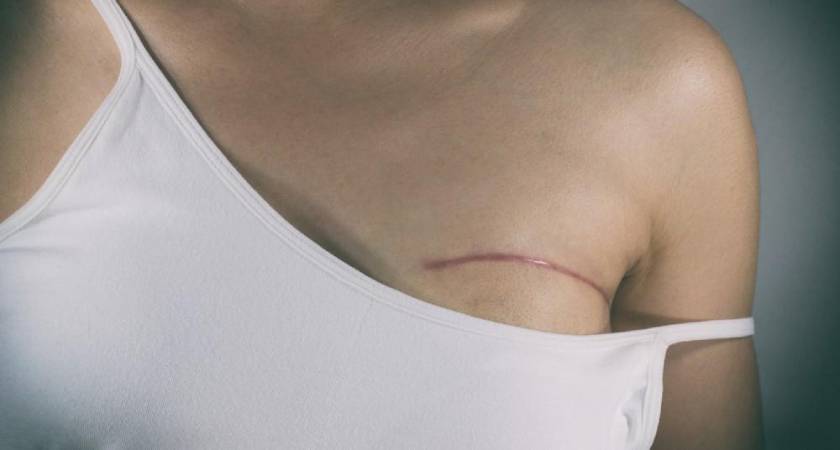
  • Mastectomy: Involves removing the entire breast when cancer is widespread or at high risk of recurrence.
  • Sentinel lymph node biopsy: Checks if cancer has spread to nearby lymph nodes.
  • Reconstructive surgery: Helps restore the breast shape after mastectomy.

If you’re exploring lumpectomy and mastectomy in Pune, Dr. Lalit Banswal offers advanced, minimally invasive techniques at his breast cancer hospital in Pune, ensuring both medical safety and cosmetic outcomes.

When Surgery May Not Be Recommended?

Sometimes, surgery might not be the first choice, such as:

  • When the cancer has already spread to distant organs.
  • If the patient’s health condition doesn’t allow for surgery.
  • When non-surgical treatments like targeted therapy or radiation are more suitable.

In such cases, Dr. Lalit Banswal, an experienced cancer specialist in Undri, Pune, creates a personalized treatment plan focused on patient comfort and best possible outcomes.

Why Choose Dr. Lalit Banswal for Breast Cancer Surgery in Pune?
  • 15+ Years of Surgical Expertise: Dr. Lalit Banswal brings over 15 years of experience in performing advanced breast cancer surgeries with precision and care. His extensive training ensures safe and effective results for every patient.
  • Renowned Breast Cancer Surgeon in Pune: Recognized as one of the best breast cancer surgeons in Pune, Dr. Lalit Banswal offers modern, minimally invasive surgical options tailored to each patient’s condition and comfort.
  • Expert in Lumpectomy and Mastectomy Procedures: He specializes in both lumpectomy and mastectomy in Pune, using advanced techniques with a focus on breast preservation and reconstruction whenever possible.
  • Director of a Trusted Breast Cancer Hospital in Pune: As the Director of Precision Plus Superspeciality Hospital, Dr. Lalit Banswal ensures world-class cancer care supported by modern technology and a compassionate team.
  • Trusted by Thousands Across Pune: Patients from Undri, Hadapsar, Kondhwa, and Magarpatta trust Dr. Lalit Banswal for accurate diagnosis, personalized treatment plans, and faster recovery after surgery.
Conclusion:

Breast cancer surgery is not always the first step, but in many cases, it’s the most effective way to remove cancer and prevent it from spreading. The right advice from an expert makes all the difference.

If you are searching for the best breast cancer surgeon in Pune, consult Dr. Lalit Banswal, a highly experienced breast cancer specialist known for his skill, compassion, and successful results.

Early diagnosis and timely surgery can save lives — don’t delay your consultation.

Lumpectomy vs Mastectomy: Which Option is Right for You?

When someone is diagnosed with breast cancer, one of the biggest questions is — Which surgery is better for breast cancer? Should you go for a lumpectomy or a mastectomy? The decision can be emotional and confusing. This guide by Dr. Lalit Banswal, one of the best breast cancer surgeon in Pune, will help you understand both procedures and choose the right one for your situation.

This blog explains:

  • What lumpectomy and mastectomy mean?
  • When each surgery is recommended?
  • How recovery and risks differ?
  • How to make the best choice for your health?

What Are Lumpectomy and Mastectomy?

Both lumpectomy and mastectomy are surgical procedures to treat breast cancer, but they differ in scope.

  • Lumpectomy: This surgery removes only the tumor and a small margin of surrounding healthy tissue. It aims to preserve most of the breast. It is often followed by radiation therapy.
  • Mastectomy: This involves removing the entire breast to eliminate or prevent cancer spread. It may be recommended for more advanced or recurrent cancers.

If you are searching for lumpectomy in Pune or mastectomy in Pune, understanding these differences is the first step in making an informed decision.

When Is Lumpectomy Suitable?

A lumpectomy is usually suitable for patients with early-stage breast cancer or a small tumor that hasn’t spread. It’s ideal if:

  • The cancer is confined to one area.
  • You want to preserve your breast’s natural appearance.
  • You can undergo radiation therapy after surgery.

For many women, lumpectomy is a safe and effective option, supported by studies showing similar survival rates to mastectomy for early-stage cases. So, if you wonder, “Is lumpectomy safe?” — the answer is yes, when performed by an experienced surgeon like Dr. Lalit Banswal.

When Is Mastectomy the Better Option?

A mastectomy may be recommended if:

  • The tumor is large compared to the breast size.
  • Cancer has spread to multiple areas of the breast.
  • There’s a strong family history or genetic risk (like BRCA mutation).
  • You’ve had radiation before or can’t undergo it again.

Patients who undergo mastectomy in Pune can also explore reconstruction after mastectomy, which helps restore the breast shape and boost confidence.

Factors Influencing the Choice:

Choosing between lumpectomy and mastectomy depends on:

  • Stage and size of cancer
  • Breast size and shape
  • Genetic or family risk factors
  • Personal preference
  • Doctor’s recommendation

At Precision Plus Superspeciality Hospital, Dr. Lalit Banswal helps patients understand these factors clearly before making a decision.

Risks, Outcomes, and Recovery Comparison:

Every surgery has some level of risk.

  • Lumpectomy risks: Minor pain, swelling, or changes in breast shape.
  • Mastectomy risks: Longer recovery, possible numbness, and emotional impact.

However, both surgeries have excellent outcomes when performed by a skilled breast cancer doctor. The recovery period may vary — lumpectomy patients often recover faster, while mastectomy patients may take a few weeks longer.

Regardless of the option, patients receiving breast cancer treatment in Pune from Dr. Lalit Banswal report faster recovery and minimal complications.

Reconstruction Options After Mastectomy:

Modern breast reconstruction techniques allow women to restore their breast shape using implants or tissue from their own body. These options can be done immediately after mastectomy or later, based on medical advice.

At Precision Plus Superspeciality Hospital, advanced reconstruction is available under the guidance of Dr. Lalit Banswal, making it one of the best cancer hospitals in Pune.

How to Decide What’s Right for You?

Choosing between lumpectomy and mastectomy depends on your cancer stage, health, and personal comfort.

Discuss openly with your surgeon about:

  • Expected outcomes
  • Treatment timeline
  • Long-term monitoring

Dr. Lalit Banswal, a leading breast cancer doctor in Pune, provides a personalized approach, helping patients make confident and informed decisions about their surgery.

Conclusion:

Both lumpectomy and mastectomy play vital roles in breast cancer surgery options. The right choice depends on medical factors and your personal comfort. With guidance from Dr. Lalit Banswal, the best cancer surgeon in Pune, patients receive expert care and compassionate support at every stage — from diagnosis to recovery.

If you’re considering lumpectomy in Pune or mastectomy in Pune, book a consultation with Dr. Lalit Banswal today and take a confident step towards recovery.

Laser Treatment for Varicose Veins: Benefits and Recovery

Do you notice twisted or bulging veins on your legs? Do they cause pain, heaviness, or swelling by the end of the day? Many people ignore varicose veins, thinking they are just a cosmetic problem. But untreated veins can get worse over time. The good news is that modern treatments like laser therapy make it possible to treat them without big cuts or long recovery. If you are looking for laser treatment for varicose veins in Pune, this blog will help you understand its benefits and what to expect.

In This Blog:

  • What are varicose veins?
  • Why choose laser treatment?
  • Benefits of laser therapy
  • Recovery after treatment

What Are Varicose Veins?

Varicose veins are swollen, enlarged veins that usually appear on the legs. They occur when the valves inside the veins stop working properly. Blood then pools in the veins, causing them to bulge.

Common symptoms include:
  • Visible twisted veins
  • Pain, heaviness, or cramping in the legs
  • Swelling around the ankles or calves
  • Burning or itching near the veins

If these symptoms sound familiar, it may be time to consult a doctor.

Why Choose Laser Treatment for Varicose Veins?

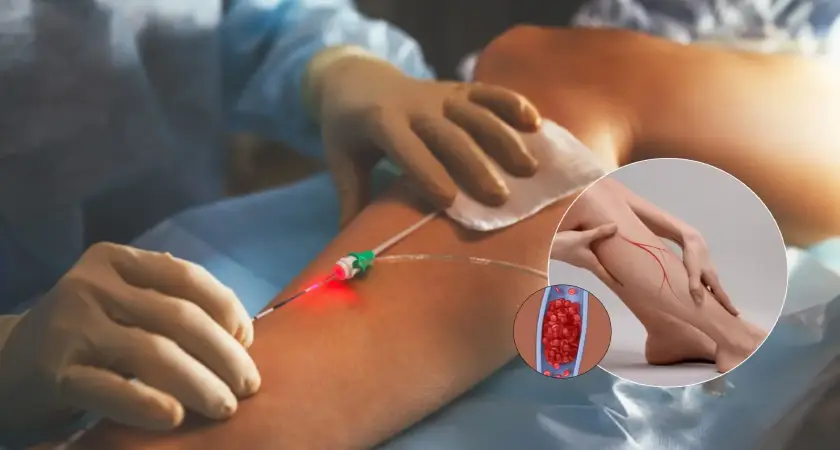
Earlier, surgery was the only option for varicose veins. Now, laser treatment has become the preferred choice. It uses focused laser energy to close the damaged vein, redirecting blood to healthier veins. The procedure is quick, safe, and less painful than conventional surgery.

What to Expect from Laser Therapy for Varicose Veins?

Laser treatment is usually done as a day-care procedure. A thin fiber is inserted into the vein, and laser energy is used to seal it. Local anaesthesia is given, so patients feel comfortable during the procedure. You can walk soon after and return home the same day.

Key Benefits of Laser Treatment:

The benefits of laser treatment for varicose veins include:

  • Minimal pain and discomfort
  • No large cuts or stitches
  • Faster recovery compared to open surgery
  • Same-day discharge in most cases
  • Long-lasting relief from symptoms

Side Effects of Laser Treatment for Varicose Veins:

Laser treatment for varicose veins is generally safe and effective, but like any medical procedure, a few mild side effects may occur. These are usually temporary and improve on their own within a few days or weeks.

Here are some possible side effects:

  • Mild Pain or Discomfort: You may feel slight soreness or tightness in the treated area, which can be managed with simple pain relief and rest.

  • Bruising or Swelling: Small bruises or swelling may appear around the treated vein, but they usually fade within a few days.

  • Skin Redness or Warmth: The skin around the treated vein might feel warm or appear slightly red for a short period.

  • Itching or Tingling: Some people experience mild itching or tingling sensations as the body adjusts and the vein heals.

  • Temporary Numbness: In rare cases, numbness may occur near the treated vein, but it typically resolves without any long-term issue.

  • Minor Skin Burns (Very Rare): If the laser energy affects nearby skin, a small burn or discoloration might occur, but this is uncommon when done by an experienced surgeon.

  • Blood Clot Formation (Rare): Though rare, there’s a small chance of developing a clot in deeper veins. Regular walking and wearing compression stockings help prevent this.

Note: These side effects are usually minor and short-lived when the treatment is performed by an expert like Dr. Lalit Banswal, one of the best specialists for laser treatment of varicose veins in Pune. His careful technique and post-procedure care ensure a smooth and safe recovery for patients.

Recovery After Laser Treatment:

Recovery is usually quick. Most patients can return to daily activities within a few days. Doctors may advise wearing compression stockings for some weeks. Mild soreness or bruising can happen, but it settles soon. Walking daily and keeping legs elevated helps in faster healing.

Who Should Consider Laser Treatment?

You should consider varicose vein laser surgery in Pune if you have:

  • Painful, swollen, or heavy legs
  • Visible bulging veins that worsen over time
  • Skin changes or ulcers near the veins
  • Difficulty standing for long due to vein discomfort

Consulting an expert like Dr. Lalit Banswal varicose veins specialist, will help you know if you are the right candidate. He is recognized as the best doctor for varicose veins in Pune, offering advanced laser solutions with a patient-friendly approach.

Conclusion:

Varicose veins are not just a cosmetic concern. They can affect your daily life and health if left untreated. Modern laser therapy provides a safe and effective way to treat them with a quick recovery. If you are looking for laser treatment for varicose veins in Pune, consult Dr. Lalit Banswal, a trusted specialist known for his expertise and compassionate care.

Frequently Asked Questions:

The cost of laser treatment for varicose veins in Pune usually depends on the severity of the condition, hospital, and doctor’s expertise. On average, it can range between ₹40,000 to ₹1,00,000 per leg. Consulting an experienced specialist like Dr. Lalit Banswal helps you get the most accurate estimate and best care.

Yes, laser treatment for varicose veins is considered one of the safest and most effective procedures. It is minimally invasive, involves no major cuts, and has a very short recovery time. When performed by an expert like Dr. Lalit Banswal, complications are rare and results are long-lasting.

While laser therapy is highly successful, it has a few minor drawbacks — mild bruising or discomfort after the procedure, and a small chance of recurrence if new veins become weak over time. However, these risks are minimal under proper medical care and follow-up.

Laser treatment offers long-term results. Most patients experience permanent closure of treated veins. However, maintaining a healthy weight, regular exercise, and following your doctor’s advice can help prevent new varicose veins from forming.