When a patient is diagnosed with colon or rectal cancer, one of the most common terms they will hear from their medical team is “Colectomy.” While the word might sound complex, it is actually a life-saving procedure that has helped thousands of people beat cancer and return to a healthy life.
If you are looking for the most advanced Colon cancer treatment in Pune, it is vital to consult an expert. Dr. Lalit Banswal is a highly distinguished Oncosurgeon in Pune and a specialized Colon Cancer Surgeon in Pune with over 15 years of experience. At Sai Vedant Multi Speciality Hospital, he uses precision-based surgical techniques to treat colorectal conditions, ensuring that patients receive world-class care right here in Maharashtra.
In This Blog You Will Learn...
- The true colectomy meaning and why it is necessary.
- The difference between various types of colon surgery.
- How a GI Cancer Surgeon In Pune, like Dr. Lalit Banswal, plans your recovery.
- Detailed steps of a hemicolectomy operation.
- Tips for recovery after an intestine operation.
Colectomy Meaning:
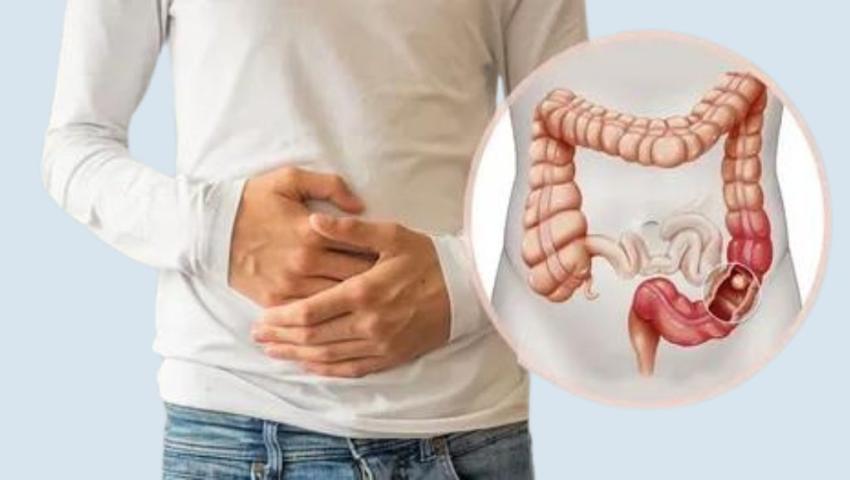
Simply put, colectomy meaning refers to the surgical removal of all or part of the colon (the large intestine). The colon is a long, tube-like organ at the end of your digestive tract.
When a surgeon performs colectomy surgery, the goal is to remove the diseased portion of the organ. This is often called a colon resection or large bowel resection. If only a portion is removed, it is called a partial colectomy, and if the entire colon is removed, it is a total colectomy.
Why Is Colectomy Done for Colon Cancer?
A colon cancer surgery is performed to physically remove the tumor and prevent the cancer from spreading to other parts of the body. Since the colon is a large organ, removing the affected segment along with nearby lymph nodes is the most effective way to ensure a permanent cure.
As a leading Colorectal cancer surgeon in Pune, Dr. Lalit Banswal recommends this procedure for:
- Malignant tumors (Cancer).
- Severe Diverticulitis.
- Inflammatory Bowel Disease (IBD), such as Ulcerative Colitis.
- Bowel obstructions that cannot be cleared otherwise.
What is a Partial Colectomy (Colectomy Surgery)?
A partial colectomy involves removing only the cancerous segment of the colon. This is also known as a bowel resection. The bowel resection meaning is simple: the surgeon cuts out the “bad” part of the intestine and then joins the two healthy ends back together. This joining process is called an anastomosis.
In some cases, if the small intestine needs to be joined to the colon, it is called an ileocolostomy surgery.
Types of Colectomy Surgery:
Depending on where the cancer is located, Dr. Lalit Banswal will perform a specific type of resection:
- Right Hemicolectomy: Removal of the right side of the colon.
- Left Hemicolectomy: Removal of the left side. A left hemicolectomy is common when tumors are found in the descending colon.
- Sigmoid Colectomy: Removal of the lower part of the colon (sigmoid colon) just above the rectum.
- Subtotal Colectomy: Removal of most of the colon, but leaving the rectum.
- Proctocolectomy: The proctocolectomy meaning involves the removal of both the colon and the rectum.
- Enterectomy: This is a resection of small intestine or small bowel resection if the cancer has affected those areas.
How Dr. Lalit Banswal Decides the Type of Colectomy?
Choosing the right hemicolectomy surgery requires a deep understanding of the patient’s anatomy. As a seasoned GI Cancer Surgeon In Pune, Dr. Lalit Banswal uses high-resolution CT scans, Colonoscopies, and PET scans to map the tumor.
He evaluates:
- The exact location of the tumor.
- Whether it is a rectum operation or a large bowel resection.
- The patient’s overall health and ability to undergo lap colectomy (minimally invasive surgery).
How Partial Colectomy Surgery Is Performed?
At Sai Vedant Multi-Speciality Hospital, Dr. Lalit Banswal prioritizes minimally invasive techniques whenever possible.
- Incision: In a lap colectomy, several tiny incisions are made instead of one large one.
- Resection: The surgeon performs the intestinal resection by removing the tumor and a margin of healthy tissue.
- Connection: The healthy ends of the colon are reattached.
- Stoma (Optional): In rare cases of a complex rectum operation, a temporary stoma (opening in the belly) might be created to let the bowel rest.
Benefits of Partial Colectomy for Colon Cancer:
- High Success Rate: It is the “gold standard” for curing localized colon cancer.
- Organ Preservation: Unlike a total colon removal, a partial resection allows you to keep most of your digestive function.
- Fast Recovery: With lap colectomy, patients experience less pain and shorter hospital stays.
Risks and Possible Complications:
Like any surgery on the intestines, there are risks involved. These include:
- Anastomotic Leak: Where the new connection doesn’t heal perfectly.
- Infection: Common to any intestine operation.
- Blood Clots: Prevented by early movement after surgery.
- Adhesions: Scar tissue that can form after an intestinal resection.
Recovery After Partial Colectomy:
Recovery from colon cancer surgery is a gradual process:
- Hospital Stay: Usually 3 to 7 days.
- Diet: You will start with liquids and slowly move to soft foods.
- Activity: Walking is encouraged within 24 hours to prevent complications.
- Follow-up: Regular visits with your Oncosurgeon in Pune are essential to monitor your healing.
Why Choose Dr. Lalit Banswal for Partial Colectomy in Pune?
When it comes to your health, you deserve the best cancer specialist.
- Experience: Over 15 years in complex GI and colorectal surgeries.
- Technological Edge: Expert in lap colectomy and robotic-assisted intestine operation.
- Personalised Care: Every patient at Sai Vedant Multi Speciality Hospital receives a custom recovery plan.
- Comprehensive Care: He is not just a surgeon but a dedicated partner in your fight against cancer.
Conclusion:
A colectomy is a major step, but with the right surgeon, it is the most effective way to reclaim your life from colon cancer. Understanding the hemicolectomy meaning and the benefits of bowel resection can help reduce your anxiety and prepare you for a successful journey.
Book An Appointment with Dr. Lalit Banswal today to discuss your treatment options.
FAQs About Partial Colectomy for Colon Cancer:
For individuals at average risk, a screening colonoscopy is generally recommended every 10 years starting at age 45. However, if you have a family history of colon cancer, a personal history of polyps, or inflammatory bowel disease, Dr. Lalit Banswal may recommend a check-up every 1 to 5 years to ensure early detection.
Yes, absolutely. Most patients return to their regular diet and daily activities within a few months. While your bowel habits may change slightly at first, the body eventually adapts. Dr. Lalit Banswal focuses on “organ-preserving” techniques at Sai Vedant Multi Speciality Hospital to ensure that patients maintain the best possible quality of life post-surgery.
In the vast majority of partial colectomy cases, a permanent stoma is not required. A temporary stoma is sometimes created to allow the bowel to heal safely after a complex rectum operation, but it is usually reversed in a few months. Dr. Lalit Banswal is an expert in “sphincter-saving” surgeries, aiming to avoid permanent bags whenever possible.
Laparoscopic or robotic-assisted surgery is generally preferred because it involves tiny incisions rather than one large cut. For patients at Sai Vedant Multi Speciality Hospital, this results in significantly less post-operative pain, a lower risk of infection, minimal scarring, and a much faster return to home and work compared to traditional open surgery.
