Best Lung Cancer Treatment In Pune -
Dr Lalit Banswal
When it comes to advanced Lung cancer Treatment in Pune, Dr. Lalit Banswal offers a blend of 15+ years of surgical expertise and a patient-centric approach at Sai Vedant Multi Speciality Hospital, Undri. As a premier breast and thoracic cancer surgeon, he has successfully performed over 6,000 surgeries, specializing in complex procedures such as lobectomy, pneumonectomy, and video-assisted thoracoscopic surgery (VATS) to treat malignant pulmonary nodules and bronchogenic carcinoma. Recognized with the Maharashtra Ratna Award in 2023, he utilizes cutting-edge diagnostic tools like PET-CT scans and biopsies to create tailored plans involving targeted therapy and immunotherapy for his patients. Whether you are managing a chronic smoker’s cough, chest pain, or a new diagnosis, you can find world-class care from this highly trusted cancer specialist in Pune.
What is Lung Cancer?
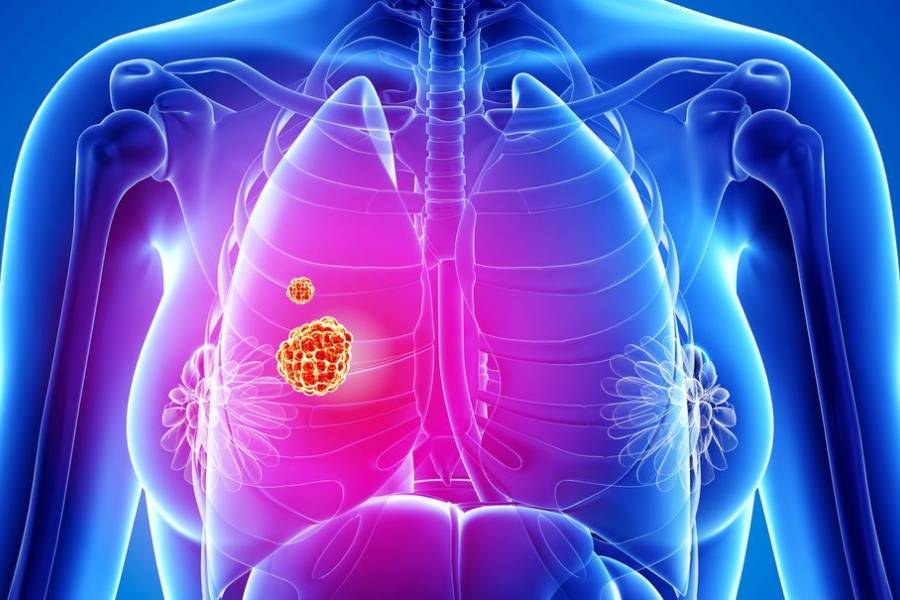
Lung cancer is a condition where cells in the lungs begin to grow uncontrollably, forming a mass or tumor that interferes with normal breathing. These abnormal cells can start in the air passages (bronchi) or the small air sacs (alveoli) and may eventually spread to other parts of the body. While it is most commonly linked to long-term smoking, it can also affect non-smokers due to genetic factors or environmental exposures.
Types of Lung Cancer:
Lung cancer is categorized based on how the cells look under a microscope. Identifying the specific type is the most important step in choosing the right treatment approach.
1. Non-Small Cell Lung Cancer (NSCLC)
This is the most common form, accounting for about 80% to 85% of all cases. It generally grows and spreads more slowly than other types.
- Adenocarcinoma: This is the most frequent subtype and usually starts in the outer regions of the lungs. It is the most common form found in women and non-smokers.
- Squamous Cell Carcinoma: Also known as epidermoid carcinoma, this type typically develops in the central part of the lungs near the main airways. It is very strongly linked to a history of smoking.
- Large Cell (Undifferentiated) Carcinoma: A fast-growing type that can appear in any part of the lung. Because it spreads quickly, it can be more challenging to treat.
2. Small Cell Lung Cancer (SCLC)
Making up about 10% to 15% of cases, this is a highly aggressive form of cancer. It is almost exclusively found in heavy smokers and is known for spreading rapidly to other organs. It is sometimes referred to as “oat cell” cancer because of the shape of the cells.
3. Other Specific Types
- Lung Carcinoid Tumors: These are rare, slow-growing tumors that account for less than 5% of lung cancer cases.
- Mesothelioma: A specific type of cancer that develops in the lining of the lungs (the pleura). It is almost always caused by long-term exposure to asbestos.
- Pancoast Tumors: A rare version of non-small cell cancer that grows at the very top (apex) of the lung, sometimes affecting the nerves in the neck and arms.
Lung Cancer Causes:
Understanding the root causes of lung cancer is the first step toward prevention and early intervention. While many people associate this disease strictly with lifestyle choices, several environmental and genetic factors can also lead to the development of carcinoma lung cancer.
Key Risk Factors
- Tobacco Use: Smoking remains the leading cause of lung disease. Whether through cigarettes, pipes, or cigars, the inhalation of toxic chemicals directly damages lung cells. Over time, this damage can lead to the growth of non small cell lung cancer, the most common form of the disease.
- Secondhand Smoke: Even if you do not smoke, regular exposure to smoke from others can significantly increase your risk of developing lung complications.
- Environmental Toxins: Exposure to naturally occurring radon gas in homes or workplaces is a major risk factor. Additionally, inhaling hazardous substances like asbestos, arsenic, or chromium in industrial settings can trigger cellular changes.
- Air Quality: Long-term exposure to high levels of air pollution and microscopic particles in the environment can irritate and damage the respiratory system over many years.
- Genetic Factors: A family history of lung cancer may increase your susceptibility. Some individuals possess genetic mutations that make their lung tissue more vulnerable to carcinogens.
- Previous Lung Scars: Earlier lung infections or scarring from conditions like tuberculosis can sometimes create an environment where cancer is more likely to develop later in life.
Symptoms of Lung Cancer:
Recognizing the early signals of lung cancer can lead to much more effective treatment. While some symptoms may seem like a common cold or a minor infection, it is important to monitor how long they last and if they worsen.
Primary Warning Signs
- A Persistent Cough: A cough that lingers for weeks or becomes more severe over time is one of the most common indicators.
- Coughing Up Blood: Any amount of blood or rust-colored phlegm in your cough should be evaluated by a specialist immediately.
- Chest Discomfort: You may feel a dull ache or sharp pain in the chest that intensifies when you breathe deeply, cough, or laugh.
- Breathing Difficulties: Shortness of breath or a whistling sound (wheezing) while breathing can occur if a tumor begins to block the airways.
- Voice Changes: Persistent hoarseness or a noticeable change in your voice can happen if a tumor affects the nerves connected to your vocal cords.
- Recurring Infections: If you find yourself suffering from repeated bouts of pneumonia or bronchitis, it may be a sign of an underlying issue in the lungs.
Advanced and Systemic Symptoms
As the condition progresses, it may affect other parts of the body, leading to these symptoms:
- Unexplained Weight Loss: Losing weight rapidly without changing your diet or exercise routine.
- Severe Fatigue: A constant sense of exhaustion that does not improve with rest.
- Bone and Nerve Changes: This includes persistent pain in the back or hips, or specific changes like a drooping eyelid (Horner’s Syndrome).
- Physical Swelling: Noticeable swelling in the face, neck, or arms, or a visible rounding of the fingertips, known as “finger clubbing.”
Lung Cancer Stages:
Staging is the process doctors use to find out how large a tumor is and how far it has spread. This information is vital for choosing the most effective treatment plan.
Stages of Non-Small Cell Lung Cancer (NSCLC)
This is the most common form of lung cancer and is categorized into five main stages:
- Stage 0 (In Situ): This is the earliest possible stage. Cancer cells are found only in the top lining of the lung or air passages and have not grown into deeper tissues.
- Stage I: The cancer is a small tumor located only in the lung. It has not yet spread to any lymph nodes.
- Stage II: The tumor has grown larger or may have moved into nearby lymph nodes within the lung area.
- Stage III (Locally Advanced): The cancer has spread to the lymph nodes in the center of the chest (the mediastinum) or into structures near the lungs.
- Stage IV (Metastatic): This is the most advanced stage, where the cancer has spread to the other lung, the fluid around the lungs, or distant organs like the liver or bones.
Stages of Small Cell Lung Cancer (SCLC)
Because this type of cancer grows so quickly, it is usually described in just two stages:
- Limited Stage: The cancer is only on one side of the chest. It is confined to one lung and perhaps nearby lymph nodes, meaning it can often be treated with a single field of radiation.
- Extensive Stage: The cancer has spread widely throughout the lung, to the opposite lung, or to distant parts of the body.
The TNM Staging System
To determine these stages accurately, specialists look at three specific factors known as the TNM system:
- T (Tumor): The size of the original tumor and how deeply it has grown into the lung.
- N (Nodes): Whether the cancer has reached the lymph nodes and how many are involved.
- M (Metastasis): Whether the cancer has traveled (metastasized) to other organs in the body.
Lung Cancer Screening and Diagnosis at Sai Vedant Multi Speciality Hospital, Undri, Pune:
Early detection is the most critical factor in successfully treating lung cancer. At Sai Vedant Multi Speciality Hospital in Undri, Pune, Dr. Lalit Banswal and his team utilize a comprehensive range of advanced diagnostic tools to identify cancer at its most treatable stages.
Advanced Screening Services
- Low-Dose CT Scan (LDCT): The gold standard for screening high-risk individuals (such as long-term smokers), capable of detecting tiny abnormalities before symptoms appear.
- Digital X-Rays: Often the first step in identifying unusual masses or shadows in the chest area.
- Genetic & Molecular Testing: Specialized blood and tissue tests to identify specific gene mutations, helping to determine if targeted therapy is an option.
Precision Diagnostic Procedures
- CT-Guided Biopsy: A minimally invasive procedure where a needle is precisely guided by imaging to collect a small tissue sample for laboratory analysis.
- Advanced Bronchoscopy: Using a thin, flexible tube with a camera to view the airways and collect samples from the central part of the lungs.
- PET-CT Scan: A high-tech imaging study used to determine the exact stage of the cancer and see if it has spread to other parts of the body.
- Endobronchial Ultrasound (EBUS): A specialized technique that combines bronchoscopy with ultrasound to visualize and sample lymph nodes near the lungs without major surgery.
Lung Cancer Treatment Options in Pune:
Lung cancer is curable, and the cure rate can reach 80%–90% for patients diagnosed at an early stage. However, the success rate decreases significantly as the disease progresses to advanced stages. Screening for lung cancer plays a vital role in saving lives through early detection.
Various treatment options are available, including surgery, chemotherapy, radiation therapy, targeted therapy, or a combination of these approaches. For expert diagnosis and personalized care, consult Dr. Lalit Banswal, a leading lung specialist in Pune, known for his advanced and patient-focused treatment for all types of lung cancers.
1) Surgery:
Surgery is an essential phase of treatment for lung Cancer. It is generally useful when the cancer is limited to the lungs. Surgery is also operated to take out extra cancerous tissue after chemotherapy or radiation treatment. Lung Cancer Surgeon in Undri Pune Dr. Lalit Banswal plans the treatment as per the patient’s level of disease.
2) Radiation Therapy:
Thoracic radiation therapy treatment is given to cure patients whose lung cancers can not be removed with surgery. It is a type of cancer treatment that is directed at the chest, heart, and torso regions. Using advanced technologies, powerful doses of radiation can be produced directly into the tumor with excellent precision. Dr. Lalit Banswal is a Best lung Cancer Specialist In Undri Pune, who plans a personalized radiation treatment program for every patient.
Thoracic radiation therapy can also cause side effects that can impact the quality of life but Dr. Lalit Banswal with his immense knowledge & experience helps to treat the patients with few or no side effects.
3) Chemotherapy:
Chemotherapy is usually used after surgery to kill any cancer cells that may survive. Two chemo drugs with the combination are often used to treat lung cancer in its early stage. Chemotherapy may also be used to reduce pain and other signs and also may be used before surgery to shorten cancers and remove them easily. It can also be used with radiation therapy. With advanced technology and experience, our specialist Dr. Lalit Banswal treats Lung Cancer very effectively.
5) Targeted Therapy
Targeted therapy is a treatment that targets cancer’s specific proteins, genes, or the tissue that contributes to cancer survival and growth.
Many targeted therapy drugs are utilized to treat lung cancer, though most are dedicated to people with chronic cancer.
Sometimes when chemotherapy doesn’t work, targeted therapy work differently, Our Lung Cancer expert Dr. Lalit Banswal uses targeted drugs that are most often for advanced lung cancers, sometimes along with chemo as per the need of the treatment. It significantly enhances patient outcomes and quality of life. It is successful in up to 80% of cases.
Advanced Lung Cancer Surgery in Pune By Dr. Lalit Banswal:
Dr. Lalit Banswal is a leading thoracic oncosurgeon with over 15 years of experience and more than 6,000 successful lung surgeries. At Sai Vedant Multi Speciality Hospital in Undri, he provides world-class surgical intervention for patients requiring precise cancer in lung treatment.
Advanced Surgical Options
- Minimally Invasive Surgery (VATS): Using small incisions and a camera, this approach reduces pain, minimizes scarring, and allows for a much faster recovery compared to traditional surgery.
- Robotic-Assisted Surgery: Provides exceptional 3D visualization and precision, especially useful for complex tumor removals in tight spaces.
- Lobectomy & Segmentectomy: Expert removal of the cancerous lobe or specific segments of the lung while preserving as much healthy tissue as possible.
- Pneumonectomy: Advanced surgical removal of an entire lung when necessary to ensure the complete elimination of cancer cells.
Recovery After Lung Cancer Treatment:
Recovery is a gradual process that involves healing your body, regaining your strength, and managing any long-term effects of treatment. Whether you have had surgery, chemotherapy, or radiation, focusing on these key areas will help you return to your daily activities more comfortably.
Physical Activity and Lung Health
- Pulmonary Rehabilitation: Your doctor may recommend specific breathing exercises (like pursed-lip breathing) to help your lungs expand and improve oxygen flow.
- Gradual Movement: Start with short, gentle walks. Regular light exercise helps reduce treatment-related fatigue and prevents blood clots.
- Energy Management: It is normal to feel tired. “Pace yourself” by breaking daily tasks into smaller steps and scheduling rest periods throughout the day.
Nutrition for Healing
- Protein Rich Diet: Focus on lean proteins (eggs, fish, beans, or lean meats) to help repair tissues damaged during surgery or treatment.
- Smaller, Frequent Meals: If treatment has affected your appetite or caused nausea, eating 5–6 small meals instead of three large ones can be easier on your system.
- Hydration: Drink plenty of fluids to stay hydrated and help clear any secretions from your lungs.
Managing Side Effects at Home
- Incision Care: If you had surgery, keep the area clean and dry. Report any new redness, swelling, or drainage to Dr. Banswal’s team immediately.
- Nerve Sensation: You may feel tingling or numbness around your chest or hands (if you had chemotherapy). This often improves over time but should be monitored.
Avoid Triggers: Stay away from smoke, heavy pollution, and strong chemical odors that can irritate your recovering lungs.
Long-Term Monitoring
- Follow-up Appointments: Regular check-ups and imaging (like CT scans) are essential to monitor your progress and ensure the cancer has not returned.
- Emotional Support: It is common to feel anxious or overwhelmed. Connecting with a support group or counselor can help you navigate the emotional side of recovery
Cost of Lung Cancer Treatment in Pune:
The total cost of lung cancer treatment in Pune typically ranges from ₹5,00,000 to ₹16,00,000, depending on the cancer stage and specific therapies required. Surgical procedures generally cost between ₹2,00,000 and ₹6,00,000, while chemotherapy cycles can range from ₹30,000 to ₹1,00,000 each. Advanced options like immunotherapy or robotic-assisted surgery may increase the overall budget but often lead to faster recovery times. For an accurate, personalized estimate based on your diagnosis, it is best to consult with Dr. Lalit Banswal’s team directly.
Why choose Dr. Lalit Banswal for lung cancer surgery in Pune?
- Expertise: Dr. Lalit Banswal is a highly qualified and experienced Surgical Oncologist in Pune, specializing in lung cancer treatment. He has extensive training and experience in the diagnosis, staging, and treatment of lung cancer.
- Advanced treatments: Dr. Lalit Banswal stays up-to-date with the latest advances in lung cancer treatment and uses the most advanced and effective treatments available, including chemotherapy, radiation therapy, targeted therapy, and immunotherapy.
- Cooperative approach: Dr. Lalit Banswal follows a cooperative approach to lung cancer treatment, working closely with a team of experts, including surgeons, radiologists, pathologists, and other specialists, to provide comprehensive and personalized care to each patient.
- Sympathetic care: Dr. Lalit Banswal and his team provide sympathetic and supportive care to patients and their families, addressing their concerns, and helping them cope with the physical and emotional challenges of lung cancer.
- Convenient location: Dr. Lalit Banswal’s clinic is located in Undri, Pune, making it convenient for patients from the city and surrounding areas to access high-quality lung cancer treatment without having to travel far.
- Trusted across top hospitals: Dr. Lalit Banswal is affiliated with leading cancer hospital in Pune, ensuring that patients have access to multidisciplinary care and state-of-the-art facilities for their lung cancer treatment.
Book Your Consultation with Dr. Lalit Banswal – Leading Lung Cancer Surgeon in Pune:
If you or a loved one are dealing with lung cancer, trust Dr. Lalit Banswal for precise diagnosis, advanced treatment options, and compassionate care. Schedule your consultation today at Sai Vedant Multi Speciality Hospital, Undri, Pune, or affiliated top cancer hospitals to receive world-class lung cancer treatment.
To book an appointment with the best lung cancer surgeon, call 9158050180 and take the first step towards safe and effective care with one of the best lung cancer specialists in Pune.
Frequently asked questions about lung cancer:
The most common treatments for lung cancer include surgery, radiation therapy, and chemotherapy, which may be used alone or in combination depending on the type and stage of the cancer. Targeted therapy and immunotherapy are other treatments that may be used for certain types of lung cancer. The choice of treatment depends on the location, size, and stage of the tumor, as well as the overall health of the patient.
If you are experiencing any symptoms or you want to learn more about the lung cancer treatment, Dr. Lalit Banswal is here to help. He is the best Cancer surgeon in Pune.
Dr. Lalit Banswal is one of the best lung cancer specialists in Pune. He is an expert in all cancer treatments.
Small cell lung cancer (SCLC) is generally considered to be more difficult to treat than non-small cell lung cancer (NSCLC) because it tends to grow and spread more quickly, often leading to a more advanced stage at diagnosis. SCLC is also more likely to have spread to other parts of the body by the time it is diagnosed, making it more difficult to completely remove with surgery. However, both types of lung cancer can be challenging to treat, and the specific treatment approach will depend on the type, stage, and location of the tumor, as well as the overall health of the patient.
If you are experiencing any symptoms or you want to learn more about the lung cancer, Dr. Lalit Banswal is here to help. He is the best Cancer surgeon in Pune.
While can lung cancer be detected by x ray is a common question, the answer is that while an X-ray can show suspicious spots or masses, it is not definitive. A persistent shadow on an X-ray usually requires a more detailed CT scan or PET-CT to confirm if the abnormality is actually cancerous.
To determine how lung cancer diagnosed, doctors use a combination of imaging and tissue analysis. This typically begins with a CT scan to locate the tumor, followed by a biopsy (using a needle or bronchoscopy) to confirm the presence of malignant cells and identify the specific cancer type.
The lung cancer recovery rate (often measured as a 5-year survival rate) varies significantly by stage; for localized early-stage cancer, it can be as high as 60% to 90%. Success rates have improved greatly with modern treatments provided by experts like Dr. Lalit Banswal at Sai Vedant Multi Speciality Hospital, Undri.
In the earliest stage, symptoms may be subtle or even absent. However, common lung cancer first stage symptoms include a slight but persistent cough, mild chest discomfort when breathing deeply, or localized wheezing. Many patients only discover early-stage cancer during routine screenings or imaging for other issues.
Yes, lung cancer can often be cured if it is detected and treated in its early stages before it has spread. Dr. Lalit Banswal at Sai Vedant Multi Speciality Hospital specializes in curative surgeries and advanced therapies designed to eliminate cancer cells and achieve long-term remission.