
Introduction:
Gastrointestinal (GI) Cancer is one of the most complex and challenging cancers that affect the organs of the digestive system, including the esophagus, stomach, liver, pancreas, colon, and rectum. For those seeking the highest standards in gastroenterology Pune offers, early diagnosis and precise treatment are essential for better recovery and long-term health. In Pune, one name stands out for excellence in GI cancer care — Dr. Lalit Banswal, the Best GI Cancer Doctor in Pune. With more than 15 years of experience in surgical gastroenterology and over 5,000+ successful cancer surgeries, Dr. Lalit Banswal is known for his advanced expertise in treating gastrointestinal cancers through both laparoscopic and robotic-assisted techniques. He is a highly acclaimed Robotic GI Cancer Surgeon in Pune, offering minimally invasive procedures in gastrosurgery that ensure faster recovery, minimal pain, and better surgical precision.
Dr. Lalit Banswal’s exceptional contributions to the field of cancer surgery have earned him multiple awards and recognitions from reputed medical associations in India. As the Chief Surgical Oncologist at Sai Vedant Multi Speciality Hospital, Undri, Pune, he continues to set benchmarks in patient care, innovation, and outcomes in cancer surgery.
Under his guidance, patients receive compassionate care combined with cutting-edge surgical excellence — making him one of the most trusted and respected names in Cancer Surgeon in Pune.
Dr. Lalit Banswal’s exceptional contributions to the field of cancer surgery have earned him multiple awards and recognitions from reputed medical associations in India. As the Chief Surgical Oncologist at Sai Vedant Multi Speciality Hospital, Undri, Pune, he continues to set benchmarks in patient care, innovation, and outcomes in cancer surgery.
Under his guidance, patients receive compassionate care combined with cutting-edge surgical excellence — making him one of the most trusted and respected names in GI cancer treatment in Pune.
What is Gastroesophageal Cancer?
Gastroesophageal (GI) Cancer is a type of cancer that affects the gastroesophageal junction — the place where the esophagus meets the stomach. This junction is a small but vital area, as it prevents food and stomach acids from flowing back into the esophagus. Understanding g i surgery meaning and its role in treating such conditions is vital, as GI Cancer is a serious condition where early detection is crucial for effective treatment and better outcomes.
If you are experiencing abnormal GI symptoms or wish to learn more about this disease, Dr. Lalit Banswal, the best GI Cancer Surgeon in Pune and a highly experienced Cancer Specialist in Pune, is here to help. With his advanced surgical expertise and patient-focused care, he ensures precise diagnosis and effective treatment for all types of GI cancers.
GI Cancer Symptoms:
In the early stages of GI cancer, you may have no symptoms. It is also nearly impossible to feel GI tumors as they develop. When GI cancer is extensive enough to cause symptoms, they may include :
- Abdominal cramping or pain
- Bloody or very dark stool
- Changes in bowel habits, such as diarrhea, constipation, or changes in consistency or narrowing of the stool
- Difficulty swallowing
- Digestive problems
- Jaundice (yellowing of the eyes and skin)
- Nausea and vomiting
- Swelling in the abdomen
- Tiredness, weakness, weight loss, or loss of appetite
If you notice any of the symptoms, you must visit a GI Cancer Surgeon in Pune at the earliest. The fastest assessment and subsequent treatment will help you combat this medical condition and live a better life.
Gastroesophageal Cancer Types:
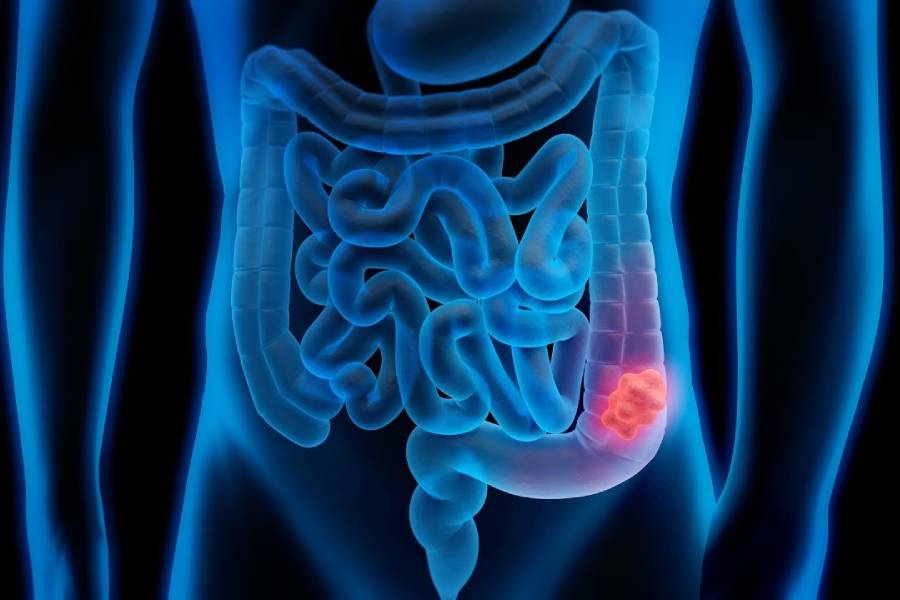
Gastrointestinal (GI) cancer affects the organs of your digestive system. These include various types of cancers that start in different parts of the digestive tract.
-
Anal Cancer:
This cancer starts in the tissues of the anus. It often causes pain, bleeding, or a lump near the anal area. -
Colon Cancer:
It begins in the large intestine and can cause changes in bowel habits or blood in the stool. Dr. Lalit Banswal is known as the best doctor for colon cancer in Pune, providing expert surgical treatment. -
Rectal Cancer:
This cancer forms in the rectum, the last part of the large intestine. Early diagnosis can help in effective treatment and recovery. -
Esophageal Cancer:
It affects the tube that carries food from the throat to the stomach. Difficulty in swallowing and weight loss are common symptoms. -
Gallbladder Cancer:
This rare cancer develops in the gallbladder, often detected late as it shows few early symptoms. -
Liver Cancer:
It starts in the liver and may cause jaundice, weight loss, or pain in the upper abdomen. -
Pancreatic Cancer:
A fast-growing cancer that affects the pancreas and can interfere with digestion and blood sugar levels. -
Small Intestine Cancer:
It occurs in the small intestine and may cause abdominal pain, vomiting, or unexplained weight loss. -
Stomach Cancer (Gastric Cancer):
This cancer affects the stomach lining, causing indigestion, bloating, or nausea. Dr. Lalit Banswal is regarded as the best doctor for stomach cancer in Pune, offering advanced treatment and compassionate care.
Risk factors of Gastroesophageal cancer:
Dr Lalit Banswal shares some risk factors that cause irritation in the cells of your esophagus and increase your risk of gastroesophageal cancer include :
- Hepatitis A or B infection (liver cancer)
- H. Pylori infection (stomach cancer)
- Smoking
- Gastritis
- Alcohol consumption
- Being overweight or obese
- Having a previous diagnosis of GI cancer or another cancer
- Previous surgery on one or more organs of the digestive system
- Family history of GI cancer
- Previous polyps growing in colon or stomach
GI Cancer Prevention:
Gastrointestinal cancer is a serious disease and one that can be difficult to treat. However, taking preventive steps can make a big difference. Dr. Lalit Banswal, an experienced GI Cancer Specialist in Pune, shares some effective ways to reduce your risk of developing gastrointestinal cancer.
- Maintain a healthy weight.
- Eat a healthy diet.
- Get regular Cancer screenings for gastrointestinal cancer.
- Quit smoking.
- Exercise regularly.
- Limit your alcohol intake.
- Avoid processed and unhealthy foods.
- Get enough sleep.
- Stay optimistic.
By following these healthy habits shared by Dr. Lalit Banswal, you can significantly lower your risk of gastrointestinal cancer. He is the best Surgical Oncologist in Pune, offering expert care in GI Onco Surgery with compassionate support for his patients.
Treatment Options by Dr. Lalit Banswal - Best GI Cancer Specialist In Pune:
Dr. Lalit Banswal provides advanced and personalized treatment options for all types of gastrointestinal cancers. As the Best GI Cancer Doctor in Pune, he combines modern techniques with compassionate care for the best outcomes.
1. Robotic Cancer Surgery
As a leading Robotic GI Cancer Surgeon in Pune, Dr. Lalit Banswal performs highly precise, minimally invasive surgeries that offer faster recovery and minimal pain.
2. Laparoscopic Cancer Surgery
This technique involves small incisions and faster healing, helping patients resume normal activities quickly with minimal scarring and blood loss.
3. Open GI Cancer Surgery
For advanced or complex cancers, Dr. Banswal performs open surgeries with expert precision to ensure complete tumor removal and better survival outcomes.
4. Multidisciplinary Cancer Care
At Sai Vedant Multi Speciality Hospital, Dr. Banswal works with a team of experts to provide holistic and coordinated GI cancer treatment.
5. Post-Surgery Rehabilitation and Follow-Up
Comprehensive follow-up and rehabilitation support help patients recover faster, prevent recurrence, and maintain long-term health.
Why Choose Dr. Lalit Banswal for GI Cancer Surgery in Pune?
1. Vast Experience and Expertise
With over 15 years of experience and 18,000+ successful surgeries, Dr. Lalit Banswal is recognized as one of the Best GI Cancer Doctors in Pune. His surgical precision and compassionate care ensure excellent patient outcomes.
2. Advanced Robotic and Laparoscopic Techniques
As a leading Robotic GI Cancer Surgeon in Pune, Dr. Banswal uses minimally invasive technology that enables faster recovery, less pain, and improved surgical accuracy.
3. Comprehensive Cancer Management
From diagnosis to post-surgery rehabilitation, Dr. Lalit Banswal provides complete GI cancer care under one roof at Sai Vedant Multi Speciality Hospital.
4. Personalized Treatment Plans
Each patient receives a customised treatment plan based on their cancer type, stage, and health condition — ensuring better recovery and long-term success.
5. Trusted and Compassionate Care
Patients across Maharashtra trust Dr. Lalit Banswal for his patient-first approach, transparent communication, and commitment to quality cancer treatment in Pune.
Book an Appointment:
Dr. Lalit Banswal at Sai Vedant Multi Speciality Hospital provides the best treatment for various gastrointestinal diseases in Pune. As a leading Cancer Specialist Near Me, he ensures advanced care for patients with digestive and cancer-related conditions.
For more information about our comprehensive treatment options or to request an appointment with the best Surgical Oncologist in Pune, call 9158050180 or click on Book Appointment for online booking with your Best GI Cancer Hospital Near Me in Pune.
FAQs:
In the early stages, stomach cancer may not show clear symptoms. However, signs like frequent indigestion, bloating, nausea, loss of appetite, or unexplained weight loss can be warning signals. If you experience these, consult Dr. Lalit Banswal, the Best GI Cancer Doctor in Pune, for early diagnosis and expert guidance.
The survival rate for GI cancer depends on the type and stage of the cancer, as well as how early it is detected. With advanced surgical techniques like robotic GI cancer surgery, patients today experience higher success rates and improved recovery outcomes.
Yes, many types of GI cancers are curable if detected in the early stages. With timely diagnosis and expert surgical care from Dr. Lalit Banswal, patients can achieve successful outcomes and long-term remission.
Common symptoms include abdominal pain, unexplained weight loss, changes in bowel habits, or blood in the stool. These signs should never be ignored, and an immediate consultation with a GI Cancer Specialist in Pune is recommended.
The best treatment depends on the cancer’s location, size, and stage. Dr. Lalit Banswal, a leading Robotic GI Cancer Surgeon in Pune, offers advanced laparoscopic and robotic-assisted surgeries that ensure precision, faster recovery, and minimal discomfort.