
Breast Cancer Specialist in Pune
When it comes to breast cancer treatment in Pune, patients look for expert care, advanced technology, and a compassionate approach. Dr. Lalit Banswal, a highly experienced breast cancer specialist in Pune, offers all this and more. As a leading oncosurgeon in Pune, he brings over 15 years of surgical expertise and has performed more than 18,000 complex surgeries. Whether you have discovered a suspicious chest lump or require a specialized consultation, finding a trusted breast doctor is the first step toward recovery. Dr. Lalit Banswal is the Chief Cancer Surgeon at Sai Vedant Multi Speciality Hospital, Undri, and also serves as a panel consultant at major hospitals like Ruby Hall Clinic, Sahyadri, and Noble. Recognized for his excellence, he holds an honorary Ph.D. in Oncology and was honored with the Maharashtra Ratna Award in 2023.
What is Breast Cancer?
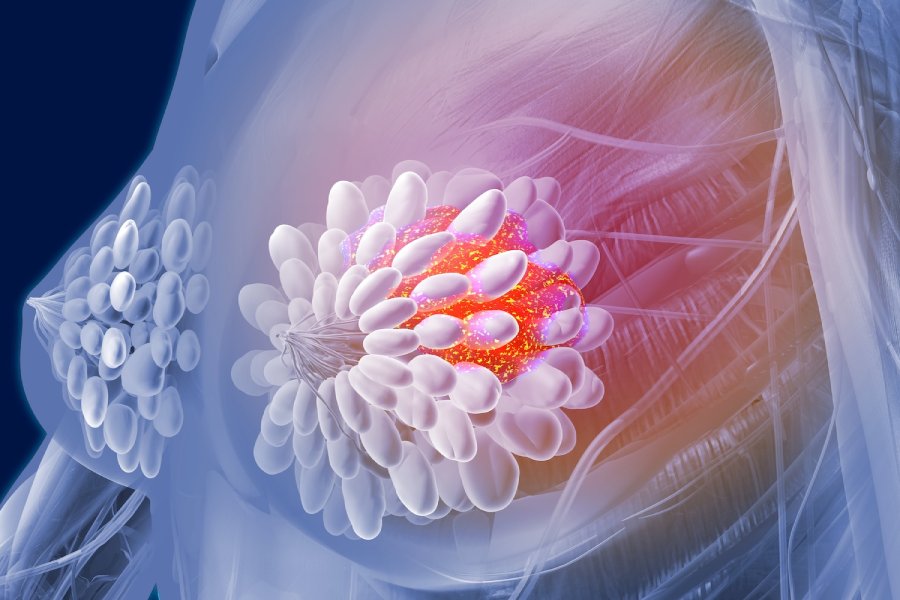
Breast cancer is one of the most common cancers affecting women in India and worldwide. It begins when abnormal cells in the breast grow uncontrollably. Although rare, breast cancer can also occur in men.
Early detection plays a crucial role in improving the success rate of treatment. With regular screenings and timely consultation, breast cancer can often be detected at an early, more treatable stage.
Common Symptoms of Breast Cancer:
Recognizing changes in your body early is one of the most effective ways to ensure successful treatment. While many breast changes are non-cancerous, any persistent or unusual symptom should be evaluated by a professional.
Key Breast Cancer Warning Signs
- New Lumps or Masses: The most frequent symptom is a new, hard lump in the breast or underarm. While these are often painless, they can sometimes feel tender, soft, or rounded.
- Skin Texture Changes: Look for skin that appears red, swollen, or pitted—similar to the texture of an orange peel. Dimpling or unexplained irritation should also be noted.
- Nipple Abnormalities: Pay attention if the nipple begins to turn inward (retraction), changes its natural direction, or develops a persistent rash, scaling, or redness.
- Unusual Discharge: Any spontaneous fluid from the nipple that is not breast milk, particularly if it is clear or bloody, requires a medical check-up.
- Changes in Size or Shape: Be aware of any unexplained or persistent shifts in the overall contour, symmetry, or size of the breast.
- Localized Pain: While breast cancer is often painless, constant tenderness or pain in a specific spot or the armpit—especially if it doesn’t change with your menstrual cycle—should be investigated.
Important Points to Remember
- The “Silent” Factor: It is possible to have breast cancer without any visible or physical symptoms. This is why routine screenings and mammograms are vital for early detection.
- Inflammatory Breast Cancer: This specific type may not cause a lump at all. Instead, it often presents as sudden redness, warmth, swelling, and persistent itchiness.
- Male Breast Health: Breast cancer can also affect men. It usually appears as a hard, painless lump located behind the nipple or in the armpit area.
Breast Cancer Causes and Risk Factors:
Understanding the factors that contribute to breast cancer helps in taking proactive steps toward prevention and early detection. While some risks are related to lifestyle, others are linked to genetics or personal medical history.
Key Risk Factors
- Genetic Predisposition: Approximately 5% to 10% of cases are hereditary. This is often due to inherited mutations in specific genes, such as BRCA1 and BRCA2, which are responsible for preventing abnormal cell growth.
- Hormonal Influences: Long-term exposure to estrogen can increase risk. This includes starting menstruation early (before age 12), entering menopause late (after age 55), or using long-term hormone replacement therapy after menopause.
- Age and Gender: While men can develop the disease, it is significantly more common in women. The risk naturally increases as you get older, with most cases diagnosed in individuals over the age of 50.
- Lifestyle Choices: Maintaining a healthy weight is crucial, as obesity—especially after menopause—raises the risk. Other contributing factors include regular alcohol consumption, smoking, and a lack of consistent physical activity.
- Breast Density: Having dense breast tissue can sometimes make it more challenging to identify small tumors during a standard mammogram and may inherently increase the risk of cancer developing.
- Environmental Exposure: Individuals who have previously received radiation therapy to the chest area, particularly before the age of 30, have a higher statistical risk.
Stages and Grades of Breast Cancer:
Understanding the specific stage and grade of breast cancer is essential for creating an effective, personalized treatment plan. Cancer Specialists like Dr. Lalit Banswal use these classifications to determine how far the cancer has progressed and how aggressively it is behaving.
Breast Cancer Stages (0–IV)
The stage describes the size of the tumor and whether it has moved beyond the breast.
- Stage 0 (Non-Invasive): Often called “carcinoma in situ,” these abnormal cells are contained within the milk ducts or lobules and have not invaded the surrounding breast tissue.
- Stage I (Early Stage): The cancer is small (usually less than 2 cm) and is either confined to the breast or has very minimal involvement in the nearby lymph nodes.
- Stage II: The tumor has grown larger (up to 5 cm) or has spread to a few (1–3) lymph nodes under the arm.
- Stage III (Locally Advanced): The cancer has spread to more lymph nodes (4–9), the tumor is larger than 5 cm, or it has begun to affect the chest wall or skin.
- Stage IV (Metastatic): This is the most advanced stage, where the cancer has spread beyond the breast and nearby nodes to distant organs like the lungs, liver, or bones.
The TNM Staging System
To arrive at these stages, specialists use the TNM system to evaluate three specific factors:
- T (Tumor): Evaluates the physical size of the primary tumor.
- N (Node): Determines if the cancer has reached the lymph nodes and how many are involved.
- M (Metastasis): Confirms whether the cancer has traveled (metastasized) to other parts of the body.
Understanding Tumor Grade
While the stage tells us where the cancer is, the Grade tells us how the cells are behaving. This is determined by how different the cancer cells look compared to healthy cells:
- Grade 1 (Low Grade): These cells grow slowly and look very similar to normal breast cells.
- Grade 2 (Intermediate): The cells are growing moderately and look less like normal tissue.
- Grade 3 (High Grade): These are aggressive, fast-growing cells that look very abnormal and require more intensive treatment.
Types of Breast Cancer:
Dr. Lalit Banswal is proficient in managing all types of breast cancer, including:
- Invasive Ductal Carcinoma (IDC) – The most common type of breast cancer that starts in the milk ducts and spreads to nearby tissues. Early detection allows for effective surgical management.
- Invasive Lobular Carcinoma (ILC) – Begins in the milk-producing glands (lobules) and can spread to other parts of the body. Dr. Lalit Banswal provides precise surgical options to control its spread.
- Triple-Negative Breast Cancer (TNBC) – A more aggressive form of cancer that doesn’t respond to hormonal therapy. Dr. Lalit Banswal uses advanced chemotherapy and targeted surgical approaches for effective outcomes.
- HER2-Positive Breast Cancer – Caused by overexpression of the HER2 protein, this cancer type responds well to targeted therapy under expert care.
- Inflammatory Breast Cancer – A rare but fast-growing type of breast cancer that causes redness and swelling. Dr. Lalit Banswal ensures quick diagnosis and multidisciplinary treatment for better results.
- Ductal Carcinoma in Situ (DCIS) – A non-invasive, early-stage cancer confined to the milk ducts. With timely surgery, Dr. Lalit Banswal helps prevent its progression to invasive cancer.
Expert Breast Cancer Treatment in Pune:
Types of Breast Cancer Treatment Offered by Dr. Lalit Banswal:
Here are the main types of breast cancer treatments provided by Dr. Lalit Banswal:
Surgery:
Surgery is often the first step in breast cancer treatment. Dr. Lalit Banswal is an expert breast cancer surgeon in Pune, skilled in both traditional and modern surgical methods.
- Lumpectomy (Breast-conserving surgery): This surgery removes only the tumour and a small margin of surrounding tissue. Dr Lalit Banswal ensures the cancer is removed completely while preserving the natural shape of the breast.
- Mastectomy: In certain advanced or multi-focal cases, removal of the entire breast is recommended. Dr Lalit Banswal performs this surgery with great precision and supports patients with emotional and physical recovery.
- Sentinel Lymph Node Biopsy: This test helps to know if the cancer has spread to lymph nodes. Dr Lalit Banswal uses minimally invasive techniques to get accurate results with quicker healing.
- Axillary Lymph Node Dissection: When cancer is found in lymph nodes under the arm, this surgery is done. Dr Lalit Banswal has vast experience in safely removing the affected nodes to prevent further spread.
- Oncoplastic Surgery: This surgery combines cancer removal with cosmetic techniques. Dr Lalit Banswal is trained in oncoplastic surgery, which helps patients get better cosmetic outcomes and more confidence after surgery.
- Reconstructive Breast Surgery: After mastectomy or wide excision, breast reconstruction can restore body image. Dr Lalit Banswal, a leading breast cancer specialist in Pune, offers advanced reconstructive options suited to each patient.
Chemotherapy:
Chemotherapy involves the use of powerful drugs to kill cancer cells. It may be given before surgery (neoadjuvant) to shrink the tumor or after surgery (adjuvant) to prevent recurrence. Dr. Lalit Banswal coordinates with top medical oncologists in Pune to ensure patients receive the best chemotherapy protocols.
Targeted Therapy:
Targeted therapy is a modern approach where specific drugs target cancer cells with minimal damage to healthy cells. HER2-positive breast cancers are treated with drugs like Trastuzumab (Herceptin), which block the HER2 protein that fuels cancer growth.
Immunotherapy:
For certain types like triple-negative breast cancer (TNBC), immunotherapy may be used. It boosts the immune system to fight cancer cells more effectively. This is an emerging area, and Dr. Lalit Banswal, being a forward-thinking cancer specialist in Pune, stays updated with the latest global treatment guidelines.
Follow-Up and Surveillance:
Regular follow-up is a key part of breast cancer treatment. Dr. Lalit Banswal ensures that all his patients are monitored through scheduled check-ups, blood tests, and imaging to detect any signs of recurrence early.
Why Choose Dr. Lalit Banswal - Best Breast Cancer Surgeon in Pune?
- Highly Experienced Surgeon: Over 15+ years of experience and 18,000+ surgeries make Dr. Lalit Banswal a trusted name in surgical oncology.
- Expert in Minimally Invasive Breast Surgery: Dr. Lalit Banswal is trained in advanced laparoscopic surgeries, resulting in smaller cuts, less pain, and faster recovery.
- Treatment at Sai Vedant Multi Speciality Hospital, Undri: The hospital is equipped with modern infrastructure and is easily accessible from Hadapsar, Kondhwa, and nearby Pune areas.
- Patient-Centered Care: Dr. Lalit Banswal is known for his compassionate approach. He explains every treatment step clearly to help patients and families make informed decisions.
- Award-Winning Oncologist: He received the Maharashtra Ratna Award 2023 and an Honorary Ph.D. in Oncology, recognising his contribution to cancer care in India.
- Panel Consultant at Leading Hospitals in Pune: He is associated with top cancer centers like Ruby Hall Clinic, Sahyadri Hospital, Noble Hospital, and more.
- Holistic Cancer Care: His approach includes surgery, follow-up care, nutritional advice, psychological support, and lifestyle modifications.
Breast Cancer Surgery Cost in Pune – Approximate Price Guide
The cost of breast cancer surgery in Pune depends on the type of surgery, hospital facilities, and additional treatments like chemotherapy, targeted therapy, or reconstructive surgery. On average:
-
Lumpectomy / Breast-Conserving Surgery: ₹1,50,000 – ₹3,00,000
-
Mastectomy (Simple / Modified Radical): ₹2,00,000 – ₹4,00,000
-
Oncoplastic / Reconstructive Surgery: ₹3,00,000 – ₹6,00,000
-
Robotic or Minimally Invasive Surgery: ₹4,00,000 – ₹7,00,000
At Sai Vedant Multi Speciality Hospital, Dr. Lalit Banswal ensures transparent pricing with high-quality care. The cost is justified by advanced surgical techniques, shorter hospital stays, faster recovery, and comprehensive follow-up care. Patients from Hadapsar, Kondhwa, and across Pune benefit from a holistic approach, combining treatment, counseling, and lifestyle guidance under expert supervision.
Recovery After Breast Cancer Surgery:
The recovery process is a vital phase of your healing journey. While every patient’s experience is unique, following a structured recovery plan helps ensure the best physical and emotional outcomes after surgery.
The First Two Weeks: Initial Healing
- Hospital Stay: Patients undergoing a lumpectomy often return home the same day, while those having a mastectomy may stay for 1–2 nights for observation.
- Managing Surgical Drains: It is common to have small tubes (drains) to remove excess fluid from the surgical site. These are typically removed by your clinical team within 10 to 14 days.
- Pain and Sensation: You will be provided with medication to manage discomfort. It is normal to feel some numbness or tingling in the breast or underarm area as the nerves begin to heal.
- Early Movement: To prevent blood clots and improve circulation, we encourage taking short, gentle walks around your home starting from the very first day.
Weeks 2 to 6: Returning to Routine
- Activity Restrictions: To protect your incisions, avoid lifting anything heavier than 5 lbs and skip high-impact exercises for at least 4 to 6 weeks.
- Gentle Rehabilitation: Your doctor will guide you through specific shoulder and arm stretches. These light exercises are essential for maintaining your range of motion and preventing stiffness.
- Comfort and Support: Wearing a soft, supportive, non-wired bra can help reduce swelling and provide comfort during the day and while sleeping.
Signs to Watch For
While complications are rare, contact your healthcare team immediately if you notice:
- A sudden increase in redness, heat, or swelling around the incision.
- Fever or chills.
- Unexpected heavy bleeding or a sharp increase in pain.
Tips for a Smooth Recovery
- Prepare Your Space: Before surgery, place frequently used items (like medications, water, and books) at waist level so you don’t have to reach overhead.
- Nutrition and Hydration: Focus on a balanced diet rich in protein and vitamins to support tissue repair.
- Incision Care: Follow your surgeon’s specific instructions on showering. Generally, it is important to keep the surgical dressings dry until your first follow-up appointment.
Breast Cancer Survival Rates in India & Pune – Key Insights
Breast cancer survival rates depend on early detection, stage at diagnosis, and quality of treatment. In India, the five-year survival rate for breast cancer varies from 60% to 80%, with higher survival rates for patients diagnosed early and treated by experienced specialists.
In Pune, patients receiving treatment from experts like Dr. Lalit Banswal, the best breast cancer surgeon in Pune, generally see significantly improved outcomes. Early-stage breast cancer detected and treated at facilities like Sai Vedant Multi Speciality Hospital, Undri, offers high survival rates due to timely surgery, targeted therapies, and advanced post-operative care.
Awareness of symptoms, regular screening, and following your doctor’s advice for lifestyle, diet, and follow-up can further improve recovery and long-term health. Dr. Lalit Banswal emphasizes personalized treatment plans and compassionate care to ensure the best outcomes for every patient.
Serving Across Pune: Hadapsar, Kondhwa, Undri, and More:
Dr. Lalit Banswal provides breast cancer treatment in Undri at Sai Vedant Multi Speciality Hospital, which is conveniently located near Hadapsar, Kondhwa, and other parts of Pune. Patients from all over Pune and even Maharashtra visit him for expert cancer care.
If you are searching for the best cancer specialist in Hadapsar, Pune or a reliable breast cancer surgeon in Kondhwa, Dr. Lalit Banswal is the name you can trust.
Book a Consultation Today:
If you or a loved one is experiencing symptoms or has been diagnosed with breast cancer, early treatment can make all the difference. Dr. Lalit Banswal, one of the leading cancer specialists in Pune, provides compassionate and expert care at his breast cancer hospital in Pune — Sai Vedant Multi Speciality Hospital, Undri. With advanced facilities and a patient-focused approach, he ensures complete cancer consultation and treatment under one roof. To take the first step toward recovery, schedule an appointment today or call +91-9158050180 for personalized guidance.
Frequently Asked Questions:
Dr. Lalit Banswal is one of the most trusted and experienced breast cancer specialists in Pune, with expertise in both traditional and advanced surgical techniques.
Early signs include a lump in the breast, nipple discharge, changes in breast shape or skin texture, and pain in the breast area. If you notice any of these, consult Dr. Lalit Banswal immediately.
In early stages, some types of breast cancer may respond to chemotherapy, hormone therapy, or radiation. However, surgery remains the most effective option in most cases. Dr. Lalit Banswal provides a customised treatment plan based on your condition.
You can consult Dr. Lalit Banswal at Sai Vedant Multi Speciality Hospital, Undri, Pune. It is easily reachable from Hadapsar, Kondhwa, and other areas of Pune.
Modern cancer treatments, especially robotic and minimally invasive surgeries, are much less painful and have faster recovery. Dr. Lalit Banswal ensures patient comfort at every stage of treatment.
Recovery depends on the type of surgery and overall health, but with minimally invasive methods by Dr. Lalit Banswal, most patients recover within a few weeks.